Let's be real about the fear
You're thinking about bringing a lemon vibrator into sex with your partner. Maybe you've read that they're gentler, more intuitive, offer a completely different sensation than traditional vibrators. Maybe you saw the clitoral suction design and thought, "This could actually change things for us." And now you're stuck on the hardest part: how do you actually bring it up without triggering defensiveness, insecurity, or that awful silence where someone pretends they didn't hear what you just said.
Here's what I know from years of working with couples: the conversation isn't actually about the toy. It's about what the toy represents. Permission. Novelty. Wanting more. Admitting you've been thinking about your own pleasure separately from theirs. And that last part scares people because it feels like a betrayal of the "we're in this together" story.
It's not. Let me show you why, and more importantly, how to have this conversation in a way that brings you closer instead of pushing you apart.
The frame that changes everything
Most people lead with the toy. "I want to try a vibrator." Instantly, the other person's brain runs through a highlight reel of what that means: Am I not enough? Is she bored? Does he think I'm failing at something? The conversation becomes defensive before it's even started.
Instead, lead with curiosity and desire. Not the toy. The feeling.
Try this: "I've been thinking about what I actually want when we're together, and I realized I want to explore something that might feel really good. I was thinking we could try it together." That's it. You've named desire, you've included them, you've made it collaborative.
The toy comes second. After the frame is set.
Timing is everything
Don't have this conversation during sex or immediately after. You're both flooded with hormones and vulnerability. Don't have it when you're tired, stressed, or when either of you has one foot out the door. This conversation deserves calm, mutual attention.
The best moment is a regular weeknight, maybe after dinner when you're relaxed but not distracted. "Hey, I want to talk about something that's been on my mind. Nothing's wrong. I just want to be honest with you about something I've been thinking about." That language alone signals: this is safe, this is intentional, and I value your input.
What actually works: the three-part approach
First, normalize vibrators in general. "I read that a lot of couples are using clitoral vibrators together. It's not about replacing anything. It's about adding a sensation that works differently on the body." You're positioning this as normal, not as a secret desire you've been harboring.
Second, explain why you're interested. "The way they work is actually really different from what I've tried before. The sensation comes from suction instead of vibration, which supposedly feels more like what the body naturally responds to." This grounds it in curiosity, not dissatisfaction. You're not saying "what we do isn't working." You're saying "I found something that might work differently, and I want to experience it with you."
Third, invite them into the choice. "I found one called the Lemon vibrator. It's designed for clitoral pleasure, and honestly, I think it could feel really good for both of us. Would you want to look at it together? No pressure either way." Notice what you're doing here: you're giving them agency. You're not demanding, surprising them mid-sex, or making it a test of whether they love you.
Handling the responses you're actually worried about
Some partners will say yes immediately. Great.
Some will say they need time to think. That's fine. You've planted the seed. It will sit in their mind for a few days, and often, curiosity wins. Check in gently a week later. "Have you thought about it? Still not sure?" If the answer is still no, you get to make a choice about what that means for you. But at least it's an honest answer.
Some will get defensive. "So I'm not enough?" This is the moment where you separate the toy from the relationship. "This has nothing to do with you. This has to do with me exploring what feels good. It's the same reason I might try a new recipe or take a dance class. It's about expanding, not replacing." Be clear. Be kind. And be honest about the fact that exploring pleasure isn't a referendum on your relationship.
Some will surprise you with their own excitement. "Oh, I've been wanting to try something too." And suddenly you're both opening up about things you've wanted to explore. This is the gift that often comes after the hardest conversation.
When you buy it together versus when you buy it alone
Ideally, you browse together. Click through reviews. Read what other people say about how it feels. This removes shame and mystery. It becomes a shared project, not a secret.
If your partner says no and you're still interested in exploring solo, that's also okay. You can use a lemon vibrator on your own. But be transparent about that. "I respect that this isn't your thing. I'm still curious about it for myself, and I'd like to explore that. It doesn't change anything about what we do together." Then follow through on that promise. Explore it separately, and don't weaponize it or make it into a bigger deal than it is.
The first time you use it together
Don't make it the only thing you do. Use it as part of your regular intimacy, not instead of it. Start with familiar foreplay, then introduce the toy when you're both already aroused. Lower stakes, easier integration.
Set an expectation that it might feel weird or awkward the first time. You're both learning what it does, how it feels, what the sensations are actually like in real time. That learning curve is totally normal. The second and third time usually feel much more natural.
If it doesn't feel amazing immediately, that's also normal. Some bodies need a few sessions to figure out the right placement, pressure, or pattern. And that's information you're gathering together, which is actually intimate. You're both paying attention to what works.
The conversation after
This is where a lot of couples miss an opportunity. After you've tried it, talk about it. Not in a clinical, "What did you think?" way, but more naturally. "That felt really different. Did you notice?" This keeps it in the realm of shared experience instead of turning it into a performance review.
If it was great, say so. If it was awkward, laugh about it. If something didn't work, problem-solve together. These conversations are where real intimacy actually lives. You're on the same team, figuring something out together.
The larger truth
Introducing a lemon vibrator into your relationship isn't about the toy. It's about being honest about wanting pleasure, being willing to explore it together, and trusting your partner enough to say, "Here's something I want to try." That vulnerability is the actual intimacy. The toy is just the thing that holds the conversation.
The couples who do this well don't end up with a more awkward sex life. They end up with more honest communication, more willingness to name what they want, and more permission to actually enjoy each other. That's worth the discomfort of a slightly weird conversation.

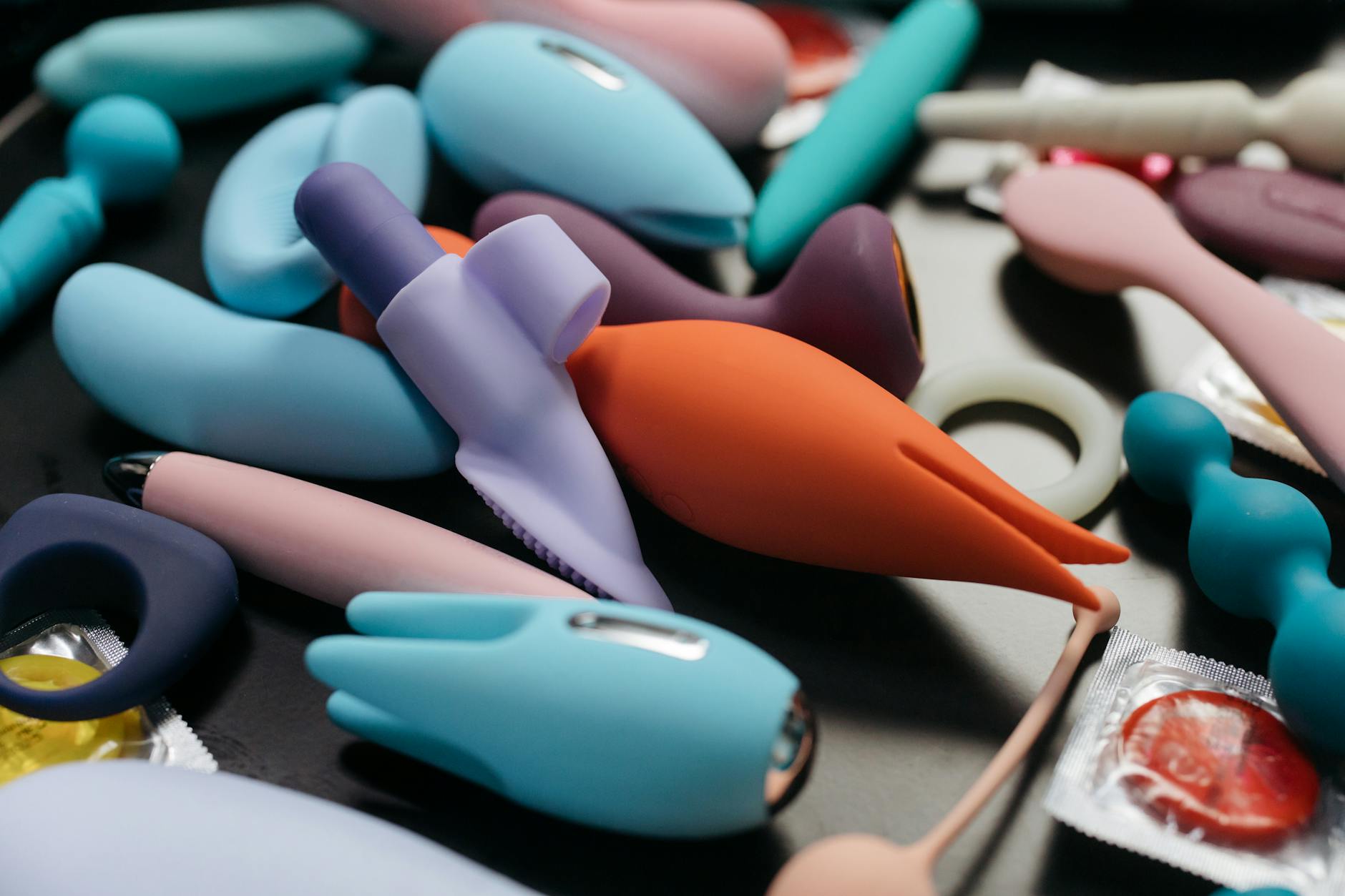
Photo by Ihsan Adityawarman on Pexels
FAQ
Will introducing a vibrator make my partner feel insecure?
It might, temporarily. But research shows that couples who explore pleasure toys together actually report stronger emotional connection and better communication overall. The initial discomfort usually gives way to curiosity and closer partnership. The key is framing it as something you want to explore with them, not instead of them. If they're feeling insecure, it's often because they're interpreting the toy as criticism. Your job is to make clear that you're interested in them, your pleasure together, and expanding what's possible. Once that frame is solid, insecurity usually softens.
What if my partner says no and won't budge?
Then you get to decide what that means for you. Some people are genuinely not comfortable with sex toys, and that's their boundary to hold. You can respect that and explore solo if you want to. But if this is something you've always wanted to try and it matters to you, that's information about compatibility. It doesn't mean you need to leave, but it does mean you're choosing to honor their boundary over your curiosity. That's a real trade-off, and it's worth acknowledging to yourself.
Can we use a lemon vibrator if we've never talked about pleasure before?
Actually, yes. Sometimes the toy becomes the door to the conversation. You don't need to have perfect communication already in place. You just need to be willing to start. "I found this vibrator and I'm curious about it. Would you be open to trying it together?" might be the easiest way to crack open a conversation that's been closed.
How do I know if my partner is enjoying it or just pretending?
You ask. "Does this feel good?" "What would feel better?" "Do you want me to try a different pattern?" Partners who are actually enjoying something usually show up with curiosity about the sensations. They'll give feedback. They'll move around to find what works. If someone's lying there silently, that's information. Then you can ask directly: "I'm noticing you're quiet. How are you feeling about this?" Honest feedback, even "I'm not sure yet" or "It feels weird but I'm trying," is better than pretending.
Is a lemon vibrator better to introduce first than other sex toys?
In many cases, yes. The lemon vibrator's suction design feels quite different from traditional vibration, which makes it easier for partners to understand that you're exploring something new, not just switching brands. It also tends to feel less intimidating because it works with the body's natural response rather than against it. If someone's nervous about toys in general, starting with something that feels more intuitive can lower the barrier. That said, the toy isn't what matters most. The conversation is. You could introduce any toy successfully if you frame it right.
How soon after the conversation should we actually try it?
There's no rush. Some couples wait a few days or a week. That gives both people time to sit with the idea, get over any initial weirdness, and come to it when they're genuinely curious rather than obligated. Others are excited and want to try right away. Either way is fine. The point is that it should feel mutual and non-pressured when it actually happens.
The bottom line
You're not asking for permission to enjoy your own body. You're inviting your partner into an experience you want to share. That's different. It's collaborative. And once they understand that distinction, most partners get curious too. The conversation is the hard part. Everything after that is usually easier than you think.