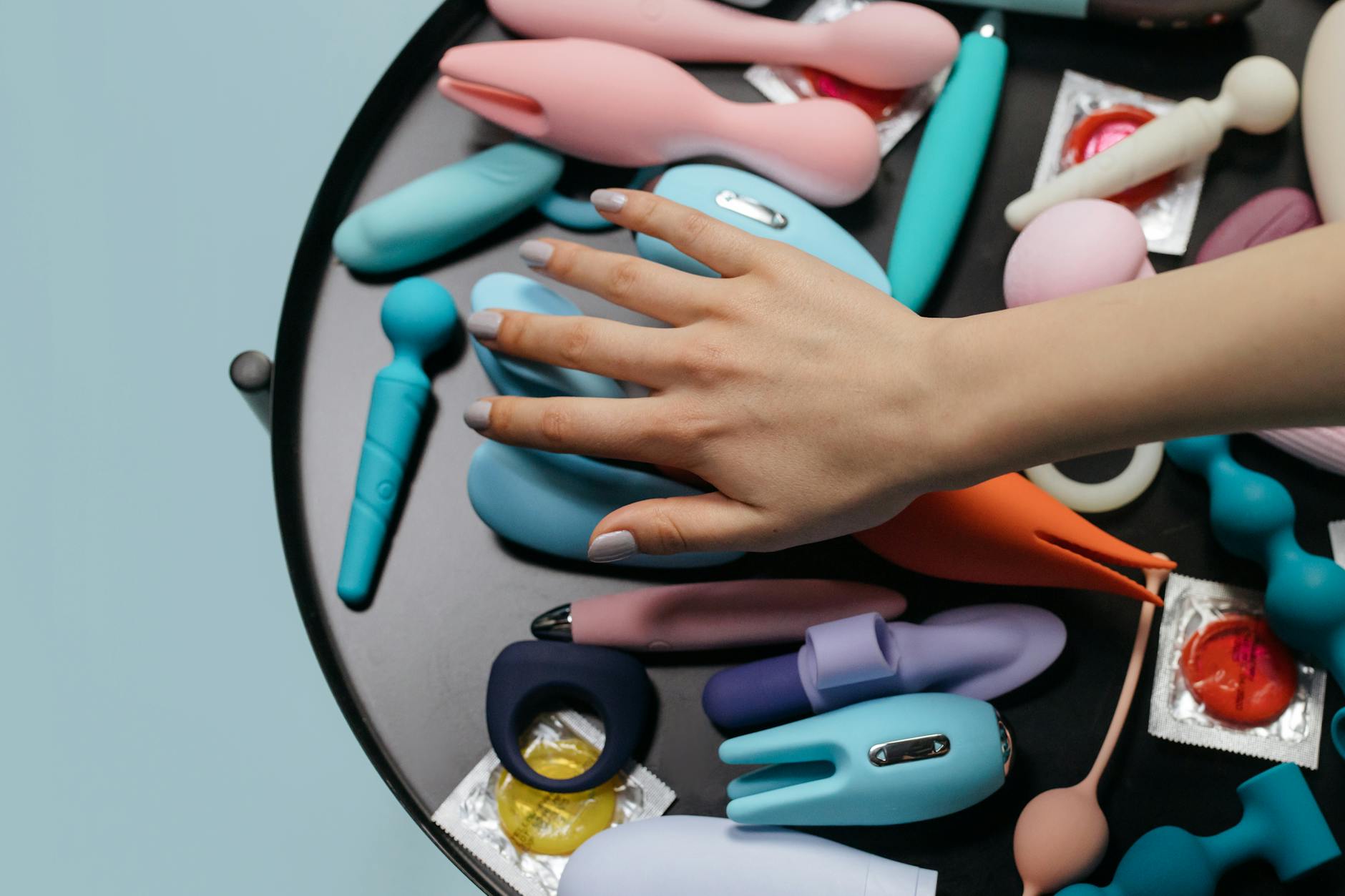
Here's what nobody tells you about menopause and pleasure
Menopause changes your body. Full stop. Estrogen drops, vaginal tissue gets thinner, lubrication changes, blood flow patterns shift. But here's the part that gets buried in all those "it's totally fine" conversations. Pleasure doesn't end. It transforms. And once you understand what's actually happening physiologically, using lemon vibrators after menopause becomes less about compensation and more about optimization.
I've worked with hundreds of clients navigating this transition. Most arrive in my office convinced they're broken. They're not. They're working with different hardware. And honestly? Some of my clients report their most satisfying orgasms happen post-menopause.
What estrogen actually does to sensation
Estrogen isn't just about babies. It's the hormone that keeps vaginal tissue thick, elastic, and well-supplied with blood. When estrogen drops during menopause, that tissue becomes thinner, more fragile, and less elastic. The vaginal wall has fewer blood vessels, which means arousal takes longer to build and the physical signs of arousal become less obvious.
But here's the thing: the clitoris has its own nerve endings, and those don't just vanish. You have roughly 8,000 nerve endings in the clitoris, regardless of your hormone levels. What changes isn't the density of nerve endings. What changes is how you access them.
Lubrication dries up. Vaginal pH shifts. The pelvic floor loses some elasticity from estrogen withdrawal. These are real changes, and they matter. But they're also predictable, manageable, and often improved by using the right tools.
Why lemon clitoral vibrators work differently post-menopause
Traditional vibrators rely on direct contact and friction. After menopause, that friction can feel uncomfortable on thinner tissue. You might notice a rawness that wasn't there before, even with lubricant.
Lemon vibrators, specifically the clitoral vibrator design, use a different mechanism. They deliver rhythmic suction and pulsation instead of pure vibration. This matters because suction doesn't require the same mechanical pressure against delicate tissue. Instead, it stimulates the nerve endings through a gentler, broader pattern of stimulation.
Think of it this way. A traditional vibrator is like a tiny jackhammer hitting one spot repeatedly. A lemon clitoral vibrator is like a gentle wave of pressure that rolls across the whole area. For post-menopausal bodies, that difference is genuinely life-changing.
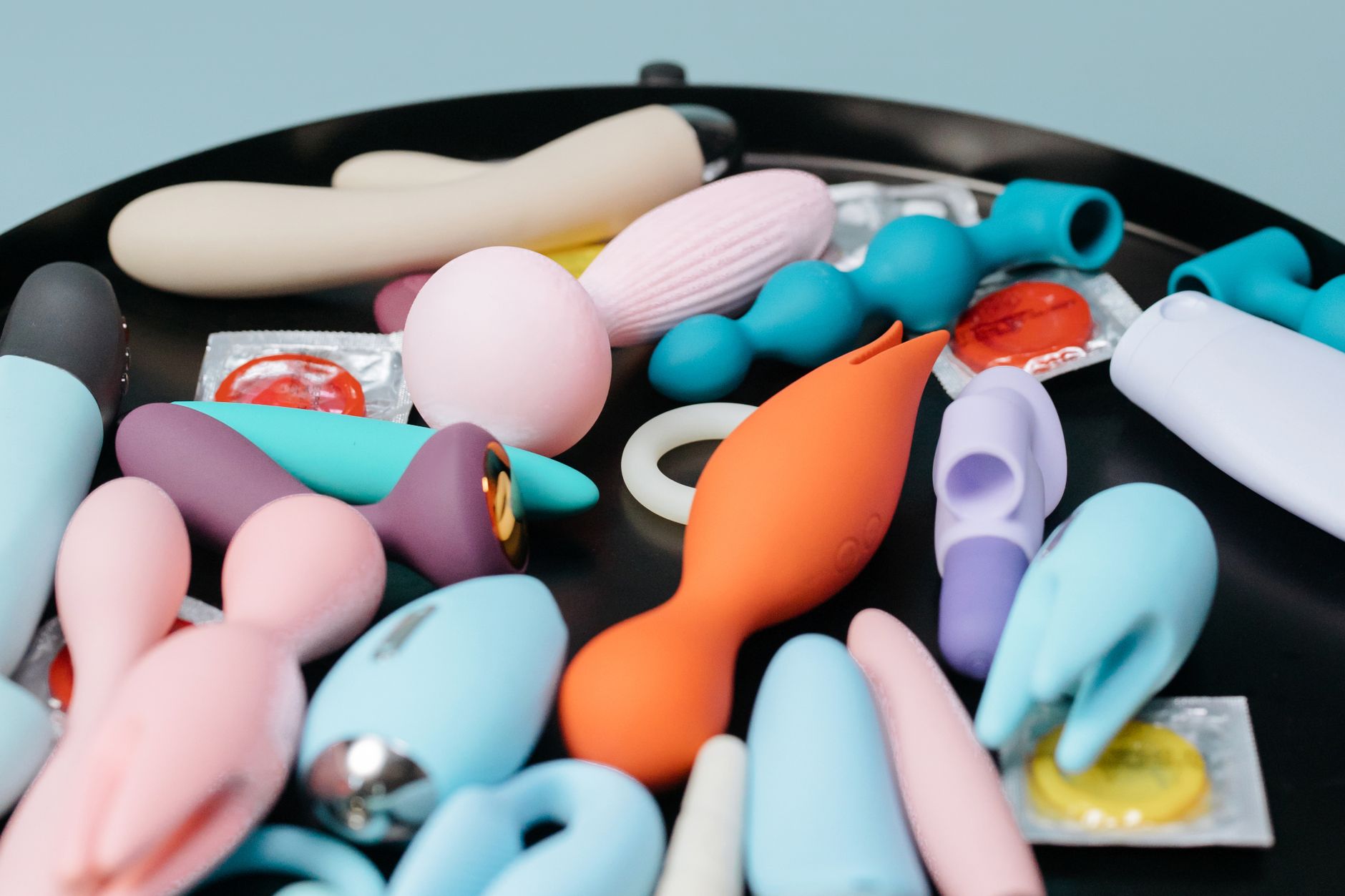
Photo by cottonbro studio on Pexels
The physical setup that actually works
Let me give you the practical part. Using a lemon vibrator after menopause works best when you prepare your body and adjust your approach.
Start with lubrication. Water-based lubricant isn't optional here. It's foundational. Your body will produce some natural lubrication, especially with extended foreplay, but post-menopausal tissue benefits from extra slip. Apply generously to the vulva and the tip of the vibrator before you start.
Warm up longer than you used to. If you spent five minutes building arousal at 35, budget fifteen at 55. Your nervous system still gets there, but the timeline stretches. Use your hands, a partner's touch, mental focus, or all three. The goal is to let blood flow increase to the area before you introduce the vibrator.
Start at the lowest intensity. The Lemon vibrator has multiple pattern settings. Begin at setting one and stay there for at least five minutes. Your tissue is more sensitive to sudden intensity. What felt right in your 40s might feel too harsh now. Build up gradually if you want to, but many clients find that the lower settings are actually more satisfying post-menopause.
Position matters more now. Clitoral tissue sits at an angle. After menopause, experimenting with the angle of approach can make a huge difference. Some clients prefer direct contact. Others find that slightly off-center or indirect contact feels better on thinner tissue. You get to figure out what your body prefers now.
What changes in how orgasms feel
Here's something that catches people off guard. Orgasms don't disappear. They sometimes change shape.
Pre-menopausal orgasms often involve a whole-body buildup and release. Muscles tense, breathing accelerates, then everything releases in a wave. Post-menopausal orgasms sometimes feel more concentrated in the clitoral area itself, or they might feel subtly different in duration or intensity.
This isn't bad. It's just different. And many clients report that once they stop waiting for the orgasm to feel like it used to, they actually find the new sensation more satisfying because they're paying attention to what's actually happening instead of comparing it to the past.
The other thing I hear often: post-menopausal clients have fewer orgasms that plateau or fade out partway through. The clitoral nerve endings are still responsive. The stimulation is getting through. Your body just needs you to meet it halfway with patience and the right tools.
How to use lemon vibrators safely post-menopause
Thin tissue is more prone to small tears or irritation if you're not careful. This isn't something to panic about, but it's worth respecting.
Never jump straight to intensity or speed. Let your tissue acclimate to vibration. If you feel any rawness or discomfort during use, stop and reapply lubricant. If discomfort continues after that, take a break. Your body will tell you if something's not right.
If you're experiencing genitourinary syndrome of menopause (GSM), which is medical-speak for "vaginal tissue is so thin it hurts," talk to your doctor about topical estrogen cream before trying a vibrator. You might need that tissue support first. Once you're using topical estrogen, lemon vibrators become an excellent complement to your treatment.
Duration matters less than you think. A 15-minute session with a Lemon vibrator is often more effective than a 40-minute marathon with traditional toys. Your body doesn't need to be worn out. It needs consistent, appropriate stimulation.
The emotional part that actually changes pleasure
Here's something that physiology textbooks skip. Menopause often arrives with permission.
Your kids are older. The pressure to be fertile is gone. The cultural expectation that you should perform for a partner softens. And for the first time in decades, some clients tell me they're able to focus entirely on their own sensation instead of managing someone else's experience.
That mental shift alone changes pleasure. You're not worrying about timing. You're not performing. You're not managing anyone else's pleasure. You're just... exploring what feels good to your body right now.
If you have a partner, this is worth saying out loud. "My body is responding differently. We get to figure out what works now." That's not a problem to solve. That's an invitation.
When to see a specialist
If you're experiencing pain during sex, don't tough it out. A gynecologist trained in menopause can assess whether you need topical estrogen, systemic hormone therapy, or both. This isn't extreme. It's maintenance.
If desire has completely tanked and you're not interested in exploring it yourself, that's also worth discussing with a professional. Low libido post-menopause has multiple causes: some hormonal, some relational, some situational. A therapist or doctor can help you sort through what's actually going on.
If you're using a lemon clitoral vibrator and feeling persistent irritation or pain, that's information too. It might mean your tissue needs more lubrication, more warmup time, or medical support before toys are the right move.
The framework that makes this easier
Menopause is a doorway, not a deadline. Your body has changed. That's real and worth acknowledging. But capability hasn't disappeared. It's reorganized.
Using lemon vibrators after menopause works because you're working with your body's actual state instead of against the version that existed before. Thinner tissue responds beautifully to gentle suction instead of harsh vibration. A longer warmup means more sensation, not less. Lower intensity settings often deliver better orgasms than you'd expect.
The clients who find the most pleasure post-menopause aren't the ones in denial about change. They're the ones who got curious about what their body actually wants now.
People also ask
Is it normal for orgasms to feel different after menopause?
Completely normal. Hormonal shifts change blood flow and tissue elasticity, which can alter how orgasms feel. They might feel more localized, have a different rhythm, or feel subtly less intense. None of these variations mean something is wrong. Your nervous system is still firing. The sensation is just arriving through a slightly different pathway. Orgasms often become easier to achieve with direct clitoral stimulation post-menopause, especially with tools like lemon vibrators designed for efficient stimulation.
Can you use lemon vibrators if you have vaginal atrophy?
Yes, with a modification. Vaginal atrophy means the vaginal tissue is significantly thinner and more fragile. Before using any vibrator, talk to a gynecologist about topical estrogen cream or other treatments that restore tissue health. Once you've been using topical estrogen for a few weeks, lemon clitoral vibrators often become comfortable and effective. The key is starting with topical support first, then introducing the vibrator. This isn't about avoiding toys. It's about making sure your tissue is ready.
How much lubrication do you need post-menopause?
More than pre-menopause. A good rule is to apply a generous amount to the vulva and the vibrator tip before you start, then reapply halfway through if things feel drier. Your body will produce some natural lubrication with warmth and arousal, but post-menopausal tissue usually benefits from supplemental lube. Water-based lubricant is your best bet because it won't damage silicone toys and it's easy to reapply and wash off.
Does hormonal therapy change how vibrators feel?
Yes. If you start systemic hormone replacement therapy (HRT) or topical estrogen, tissues will gradually regain elasticity and blood flow over weeks or months. You might notice that warmup time decreases, natural lubrication returns, and your sensitivity shifts back toward pre-menopausal patterns. This is actually the time to revisit the intensity and speed settings you're using because your tissue can now handle what it couldn't before. Your body will signal when you're ready to increase intensity.
Can lemon vibrators help with low libido after menopause?
Indirectly, yes. Low desire post-menopause has many roots: hormonal, relational, lifestyle, or psychological. But using a lemon vibrator can help rebuild your own sensation and pleasure baseline, which sometimes reignites desire. The key is approaching it as exploration, not obligation. If you're using a vibrator and still feeling no desire or connection, that's worth discussing with a therapist or doctor because something else might be going on.
How do you know if your tissue is too thin for vibrators?
Your body will tell you. If you feel pain, burning, or rawness during or after use, your tissue might need medical support before vibration is comfortable. That doesn't mean you can't use vibrators ever. It means you might benefit from topical estrogen or other treatments that help tissue heal and thicken first. Once the tissue is healthier, lemon vibrators usually become comfortable and effective. Pain is always a signal to pause and reassess.
The bottom line
Menopause changes your tissue. Lemon vibrators are literally designed for how your body works now. Warm up longer, use more lubrication, start at lower intensity, and pay attention to what actually feels good instead of what felt good before. Your most satisfying years of pleasure might be ahead of you, not behind you. You just need the right tools and permission to explore.