Let's start here: vaginismus isn't broken
Vaginismus is your pelvic floor's way of protecting you. It's not stubbornness or lack of desire. It's a reflex, same as your hand pulling away from a hot stove. When penetration has been painful, scary, or tied to trauma, your nervous system learns to say no before your brain even catches up. That's actually your body doing its job.
The catch: once that reflex locks in, it can stay locked even when the original threat is gone.
What makes penetration anxiety different from typical nervousness
Sure, most people feel a little nervous before sex. That's normal. Penetration anxiety and vaginismus are in a different category. Your pelvic floor muscles involuntarily contract. Attempts at penetration create genuine pain or a sensation of a wall blocking entry. And here's the thing that makes it cycle: the anticipation of that pain triggers more tension, which guarantees more pain next time.
That cycle is the real problem. Breaking it doesn't require forcing yourself through the pain (doctors used to recommend that, and it made things worse). It requires building safety back into your nervous system, slowly, at your own pace.
This is where clitoral stimulation without penetration pressure becomes genuinely powerful.
Why lemon vibrators work for vaginismus differently than penetrative toys
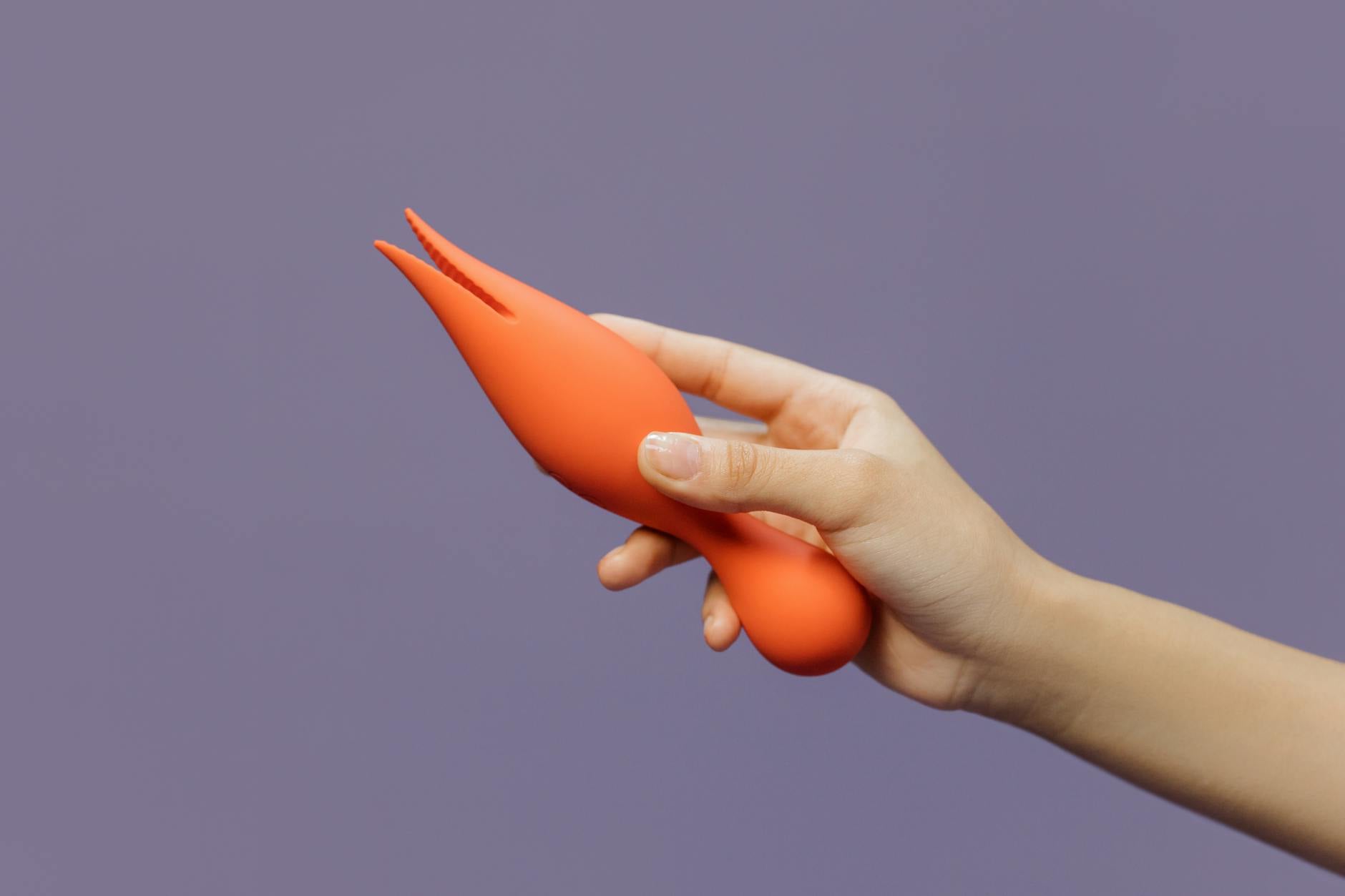
A lemon clitoral vibrator focuses pleasure on the external clitoris, which has zero connection to your pelvic floor reflex. You're building arousal and pleasure without triggering the protective contraction.
Here's the cascade that matters: regular clitoral orgasms actually retrain your nervous system. They establish a new neural pathway for sexual pleasure that doesn't require penetration. Over time, that consistency can reset the anxiety response. Your body learns: this touch feels good, this is safe, I can relax.
It's not magic. It's neuroscience. Your pelvic floor doesn't get to veto every pleasure experience you have.
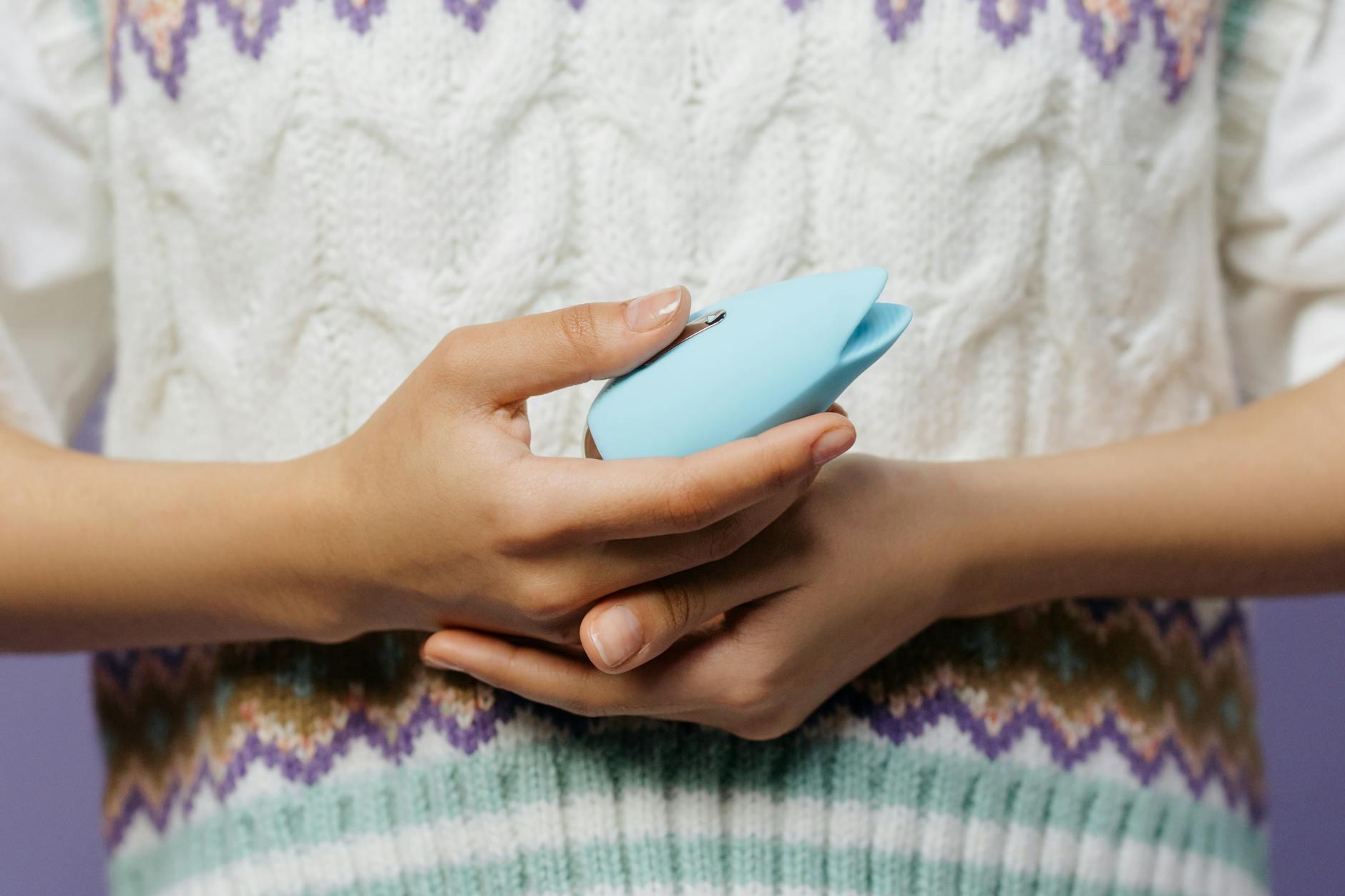
Photo by cottonbro studio on Pexels
Starting with lemon vibrators: the practical pathway
Phase 1: Solo first. Use a lemon vibrator alone, in private, with zero penetration agenda. Start with Hello Nancy's Lemon Clitoral Vibrator at low intensity. This removes the performance pressure and lets you focus on sensation. You're training your body that this context is safe and pleasurable, period.
Phase 2: Arousal as the goal, not orgasm. Spend 2-3 weeks just building arousal without chasing climax. Turn on the vibrator, feel what feels good, notice where your attention goes. If orgasm happens, fine. If not, that's fine too. You're teaching your nervous system that pleasure is the point, not productivity.
Phase 3: Extend your sessions. Once arousal feels consistent and easy, gradually increase session length. Aim for 20-30 minutes. This strengthens the neural pathways for pleasure and gives your body time to get fully into a relaxed state.
Phase 4: Introduce presence near penetration (not penetration itself). After 4-6 weeks of solo work, try this: use your lemon vibrator as usual, but place your other hand (or your partner's hand) near your vaginal opening. No penetration. Just presence. Feel what your body does. Most people notice the protective tension releases in this context because the clitoral pleasure is happening simultaneously.
What to do if you're partnered through this
Between you and me, partners often try to help by pushing timelines. "We can try again." "Maybe this time." That comes from a good place but it triggers shame and pressure, which locks the reflex tighter.
Here's what actually helps: transparency. Tell your partner that you're doing solo work with a lemon vibrator to rebuild safety in your nervous system. If they ask to participate, the answer is no, not yet. You might eventually invite them to watch, or to touch you elsewhere while you use the vibrator, but that's weeks away.
The best partners get this: your job right now is to feel pleasure without pressure. Their job is to stop creating pressure. That's support.
If your partner responds with impatience or resentment, that's a separate problem worth addressing with a couples therapist like me. Vaginismus is rarely just physical. It's often relational.
When to bring in professional support
A lemon vibrator is a powerful tool, but it's not a substitute for a pelvic floor physical therapist. If you've had vaginismus or penetration anxiety for more than a year, or if it's connected to trauma, book an appointment with a pelvic floor specialist. They can teach you techniques to actively relax your pelvic floor (not just Kegels, which make it worse). That combined with solo pleasure work often creates real change in 8-12 weeks.
Your GP or gynecologist can refer you. If they can't, a sex therapist can. Both are worth it.
The timeline is yours, not someone else's
Some people move from using a lemon vibrator for pleasure to tolerating penetration in 3 months. Others take 6 months or a year. Both are completely normal. Your nervous system doesn't have a deadline. Trying to move faster than your body is ready just reinforces the original message: your body isn't safe.
The paradox: going slower is what actually makes you faster.
People also ask
Will using a lemon vibrator make vaginismus worse?
No. Clitoral stimulation without penetration pressure doesn't trigger the protective reflex. In fact, the opposite happens. Regular pleasure outside the anxiety context retrains your nervous system. The more you experience arousal and pleasure without pain, the less your pelvic floor sees a reason to protect you from penetration. That said, if using any toy creates pain or triggers anxiety, stop and talk to a pelvic floor PT.
How long before I can try penetration again?
There's no set timeline, but most people working with a pelvic floor therapist while using a lemon vibrator see improvement in 6-12 weeks. Some faster, some slower. The real marker isn't time passed. It's when you notice your body relaxing during solo pleasure, and when the thought of penetration doesn't immediately trigger muscle tension. Those are the signals to try again, very gently. And even then, you might go back to clitoral-only pleasure for a while. That's fine.
Can my partner use the lemon vibrator on me before I'm ready for penetration?
Yes, but only if and when you ask. Some people find partner touch triggering during this phase. Others find it comforting. You get to decide when that happens. And if your partner uses it on you too early (before you've done solo work), it can feel like pressure rather than pleasure. Solo first, partner second.
Is vaginismus permanent?
No. It's a learned protective response, which means it can be unlearned. That takes time, consistency, and often professional support. But with the right approach, most people see significant improvement. The nervous system is plastic. It changes. Your body can learn safety again.
What if the lemon vibrator triggers anxiety for me?
That's information, not failure. Your nervous system is telling you something. Try starting at the lowest intensity, in a context where you feel extra safe (maybe with candles, maybe with a partner nearby but not watching). If it still triggers anxiety, talk to a pelvic floor PT or sex therapist before continuing. Sometimes the issue isn't the toy. It's unprocessed trauma that needs support beyond what a vibrator can do.
Should I use the lemon vibrator even if penetration doesn't matter to me?
Absolutely. Vaginismus can make you feel disconnected from pleasure entirely, even clitoral pleasure. Using a lemon vibrator is about reclaiming your body as a source of joy, not about preparing for something you don't want. Pleasure is the point. Penetration is optional.
You don't need permission to feel good
Vaginismus often comes with deep shame. There's a sense that your body has betrayed you or that you're broken. I want to be clear: you're not. Your nervous system is working exactly as it's been trained to work. And that can change.
A lemon clitoral vibrator is a small, discreet tool for retraining that system. It says: pleasure is possible for you. Your body is not an enemy. You get to feel good without waiting for someone else to make it happen. That's not selfish. That's reclaiming what's yours.
Start slow. Be patient with yourself. And if you hit a wall, get help. You deserve pleasure, on your timeline, in your way.