Okay, so you're thinking about sex again
Maybe it's been six months. Maybe it's been three years. Maybe you went through something that made pleasure feel impossible, and now you're wondering if your body still works the way it used to. The answer is yes. But the path back looks different than you think.
There's a specific gap between what your brain expects (instant arousal, quick orgasm, everything just flowing) and what actually happens when you restart. I see this in my practice constantly. People come back to pleasure after a long pause, and they're shocked when things feel muted, slower, or different. Then they assume something's broken. Nothing is. You're just starting over.
The gap between memory and sensation
Your body hasn't forgotten pleasure. But it has forgotten the pathway. Think of it like a neural footpath in the woods that's been overgrown. The trail is still there. Walking it again just takes a few intentional steps before it becomes clear.
When you haven't engaged in solo or partnered sex for months or years, your pelvic floor gets tighter. Blood flow to your genitals decreases. The nerve endings don't atrophy, but they do become less sensitive to light stimulation. Arousal takes longer to build. Some people report feeling numb at first, then gradually more alive over the course of a few sessions.
Here's the thing nobody says: that numbness isn't permanent. It's almost protective. Your nervous system is cautious after a break. Once it realizes it's safe to wake up, it does.
Why lemon vibrators work better on the comeback
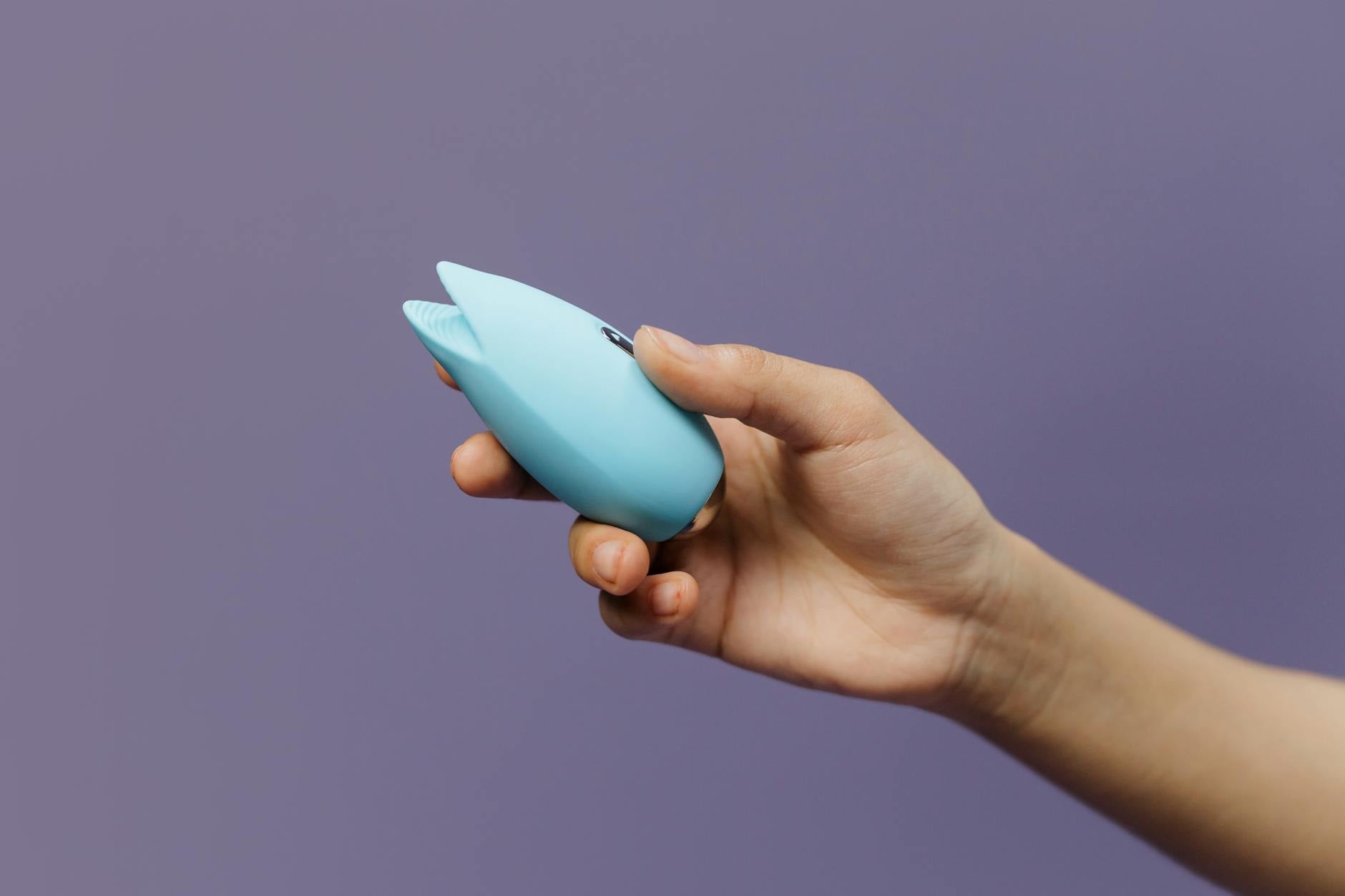
Clitoral vibrators, especially models like the Lem, work differently than internal vibrators or traditional wand toys. The suction-and-pulse mechanism doesn't rely on raw sensitivity out of the gate. It creates stimulation through a different pathway.
When you're restarting, direct clitoral contact can feel too intense too quickly, or conversely, too muted. Suction vibrators bypass this. They create a gentler, broader field of stimulation that rebuilds sensation without demanding your tissue do something it's not ready for yet.
I recommend lemon clitoral vibrators specifically for returns because they're forgiving. You don't need to find the perfect angle or pressure. The device does the calibration for you.
Your first session back: what to actually expect
Set aside 45 minutes. You won't use all of it, but the pressure to rush is the enemy right now.
Start with no vibrator. Spend 15 to 20 minutes just touching yourself. Lie down, undress, and use your hands to remember the geography. This isn't about finding arousal. It's about reactivating the conversation between your hands and your nervous system. Notice temperature. Notice texture. Notice where sensation feels alive and where it feels numb.
Then introduce a vibrator, but on a low setting. If you have a lemon vibrator like the Lem, start at level 1. The goal is not to orgasm. The goal is to see what shows up. Some people feel tingling. Some feel warmth spreading. Some feel almost nothing, then suddenly a cascade. All of this is normal.
Stop after 10 to 15 minutes, whether or not anything happened. Your nervous system has done its work for today. Rest.
Managing the narrative in your head
Here's where most people get stuck. You've been away from pleasure for a while. You come back. Nothing immediately happens, or it happens differently than you remember. And your brain starts spinning stories: "I'm broken." "It was better before." "This isn't working."
I can tell you with absolute certainty that the story is louder than the fact. Your body is not broken. It's learning to trust again. That takes time.
The second or third time, arousal builds faster. By the fifth or sixth session, you might feel something you didn't feel the first time. That's not your body failing. That's your body remembering that safety is real.
Building back to partnered sex (if that's part of your plan)
If you're restarting alone first before introducing a partner, the transition needs care. Your partner might not understand why you need solo time to rebuild first. This is where I usually encourage couples to have the conversation separately from the bedroom.
"I want us to explore this together, and I also need some time to remember what works for my body first." That's not a rejection. That's smart design.
When you do come back to partnered sex, communicate about speed. Your partner's arousal timeline hasn't changed. Yours is still waking up. Use your lemon vibrator during partnered sex, which does two things: it keeps you in the zone while your body catches up, and it takes pressure off your partner to "make it happen" for you.
The pacing that actually works
I recommend three sessions per week minimum if you're rebuilding. Not because more is better, but because consistency rewires the nervous system faster than sporadic bursts of effort.
Sessions don't need to be long. Fifteen to thirty minutes is plenty. You're teaching your body that pleasure is a normal thing that happens regularly, not a project you tackle once every six months with performance anxiety attached.
After about four to six weeks of this rhythm, most people report that arousal feels accessible again. Sensation deepens. Orgasms become possible and then frequent. By eight weeks, many people say their pleasure feels more nuanced than it did before the gap.
When something feels wrong (versus just different)
Pain during arousal or penetration is not normal and not something to push through. If you experience pain, especially if it's new or different from before your break, that's a signal to pause and see a doctor. Vulvovaginal atrophy, pelvic floor tension, and other conditions are real, they're common after breaks from sex, and they're treatable.
If you're experiencing low sensation that's not improving after six to eight weeks of regular practice, that's also worth mentioning to a healthcare provider. It could point to hormonal shifts, nerve issues, or medication side effects.
But fleeting numbness in week one or two? Arousal that's slower to build? That's just your nervous system being cautious. It's not a sign of damage.
The bigger picture: why returns are often better
Here's what I've noticed after years of working with couples and individuals navigating comebacks: they're not just returns to where you were. They're often better.
You come back with less performance pressure. You come back knowing what you like and what you don't. You come back without some of the shame or confusion you might have had the first time around. How Lemon Vibrators Help Restore Confidence After Sexual Trauma explores this deeper, but the core idea is that a break often clarifies what pleasure actually means to you.
You also come back with better tools. Clitoral vibrators didn't exist or weren't accessible for everyone who wanted them even five or ten years ago. Conversation around pleasure has shifted. You have permission now that maybe you didn't have before.
FAQ: Common questions about returning to vibrators after a break
How long should I wait after a health event or surgery before using vibrators?
That depends entirely on what happened. Minor gynecological procedures often clear in two to three weeks. Major surgery, childbirth, or trauma might require six to eight weeks or more. Ask your doctor specifically about clitoral stimulation and vibrator use. Don't assume silence means it's fine.
Will my sensitivity come back to normal if I use vibrators too much on the way back?
No. In fact, regular use actually rebuilds sensitivity faster than sporadic attempts. The myth that vibrators "numb you out" is false. What actually happens is that if you use a vibrator exclusively at high intensity for years, you might find that lighter touch doesn't register. But that's about intensity preference, not nerve damage. Why Lemon Vibrators Reduce Sensitivity Buildup During Regular Use digs into this, but the short answer is that varying intensity and taking breaks naturally prevents this.
Why does the Lem (or other lemon clitoral vibrators) feel better than it used to?
You're not remembering it wrong if you used one before. You've changed. Your body has different nerve sensitivity now. Your arousal pattern is different. The vibrator is doing the same thing, but you're experiencing it differently. That's not bad. That's just time passing.
Can I use a lemon vibrator if I'm not sure if my pelvic floor is tight?
Yes, but gently. The suction mechanism of clitoral vibrators like the Lem is actually gentler on tense pelvic floor tissue than direct vibration. Start at a low intensity and work up. If you feel cramping or pain, stop and try again in a few days. How to Use Lemon Vibrators Safely After Pelvic Floor Issues has more specific guidance.
Should I involve my partner from day one, or rebuild solo first?
Rebuild solo for at least the first two to three weeks if you're in a partnership. Your nervous system needs time to re-learn safety on its own terms. Once arousal is returning and you feel grounded again, bring your partner in. They don't need to witness the early stages. They do deserve to be part of the return.
How do I know if what I'm feeling is normal or if something's wrong?
Trust the trajectory. Numbness, slow arousal, and different sensation in week one are normal. The same things in week eight are worth investigating with a doctor. Most people report noticeable improvement between weeks three and six. If that's not your timeline, get checked.
You're not starting from zero
The most important thing I can tell you: your body hasn't forgotten how to feel. It's just been asleep. And asleep tissue wakes up quickly once you give it permission and consistency. A lemon vibrator isn't a band-aid or a hack. It's a tool that matches exactly what your nervous system needs right now. Lower entry point, gentler demand, quicker path back to sensation.
Start slow. Show up regularly. Be patient with the gap between what you remember and what you feel. And then, when arousal comes back, let it be exactly what it is. Better often than before.