
Let's name what's happening here
You haven't had sex in years. Maybe it was painful once, or maybe your relationship disconnected, or maybe you were on a medication that killed desire, or maybe you just slowly stopped believing your own pleasure mattered. The reason matters less than this: your body has learned that sex is not a thing you do anymore.
That's not a moral failing or a permanent state. That's neural patterning. And patterning can shift.
Long-term sexual avoidance rewires three systems at once. Your nervous system gets conditioned to treat sexual touch as a threat (so it tenses up). Your sensory system grows quiet because stimulation isn't arriving anymore. And your brain's pleasure centers literally shrink use in response to disuse. The good news: all three respond beautifully to retraining, and clitoral vibrators like Lemon Vibrator's devices are precisely calibrated to help restart that process without the performance pressure of partnered sex.
Why avoidance becomes automatic
The first time sex hurt or felt bad, your nervous system made a note. After the hundredth time you declined or postponed or felt dread, it didn't need your conscious brain anymore. Your body just said no.
This is called the avoidance cycle, and it's one of the most stubborn patterns in sexual dysfunction because it works. Avoidance relieves anxiety. So your brain rewards it. Every time you skip sex, you feel relief, which trains your brain to want to skip it again next time.
Add years to that, and your nervous system isn't just avoiding sex. It's forgotten what non-avoided sex feels like. Touch becomes unfamiliar. Arousal feels impossible. Your clitoris might register sensation, but your brain doesn't translate it into "oh, pleasure" anymore. It translates it into "something's happening, unsure if safe."
Partner-based sex is terrible for breaking this cycle because it reintroduces all the old conditioning at once. The vulnerability, the performance demand, the pressure to climax, the possibility of pain, the fear of disappointing them. Your nervous system sees all that and just goes: no thanks.
Solo sex with a tool designed for slow, focused pleasure is different. You control pace. You control pressure. There's no one else's needs in the room. And you can stop anytime.
How clitoral suction retrains sensation
Most of the people I work with who've been avoiding sex for years find that traditional vibrators feel too intense or too overwhelming when they restart. The stimulation is too direct, too fast, too much like the thing that made them anxious before.
Clitoral suction works differently. Instead of buzzing directly against sensitive tissue, it creates rhythmic pressure and release around the clitoris. That gentler approach does something crucial: it wakes up sensation without triggering the nervous system's "protect myself" response.
When you've been avoiding sex, your pelvic floor often stays slightly tensed all the time. A lem vibrator's suction action actually encourages relaxation because the sensation feels nurturing rather than invasive. Over time, that relaxation spreads. Your nervous system gets evidence that touch is not dangerous. Your body starts to remember what pleasure felt like.
I tell clients to think of it as sensory retraining, not performance. You're not trying to have an orgasm. You're trying to teach your body that genital touch can feel good.
The protocol that actually works
Here's what I recommend to people restarting after years of avoidance.
Week one: Touch with clothes on. Use a lemon clitoral vibrator through underwear or pajamas. The barrier makes it feel less intense and less "real," which sounds like a cop-out but isn't. Your nervous system needs practice feeling safe with sensation. Let it practice. Spend 5-10 minutes. You don't need to orgasm or even get aroused. Just get used to the sensation existing.
Week two: Direct contact, low settings. Remove the barrier. Start on setting 1 or 2. Most people are shocked at how gentle that is compared to what they imagined. Spend 10-15 minutes without a goal. Your only job is to notice what you notice.
Week three: Experiment with pressure and pacing. Once low settings feel neutral (not scary, not amazing, just neutral), let yourself play. Try pausing. Try moving the vibrator. Try holding it still. You're learning your own body's response pattern, which you've forgotten.
Week four and beyond: Let arousal rebuild naturally. By now, some people notice genuine arousal returning. That's the nervous system upregulating pleasure circuits. Honor it. Don't rush to orgasm. Let it feel like discovery again.
This timeline is not fixed. Some people move through it in four weeks. Some take four months. What matters is consistency and removing the goal.
What happens to desire when you stop chasing it
One of the strangest things I observe in people rebuilding after avoidance is that desire doesn't return as a bang. It returns as permission.
Your body stops rejecting the idea because you've given it evidence that pleasure is possible without threat. Your brain stops spending energy on avoidance because nothing bad happened. And somewhere in that quiet, interest shows up. Not urgency. Not performance-based excitement. Just interest.
That interest is fragile at first. It needs protection. Don't immediately add partner sex back in. Let solo pleasure rebuild its own track record. When you're able to have a satisfying experience with a lemon vibrator, you're teaching your whole system: we can do this safely.
Then, when you're ready, partnered sex becomes a choice instead of a thing you've been avoiding. Your nervous system isn't flooded with old dread because you've been rewiring the basic circuit.
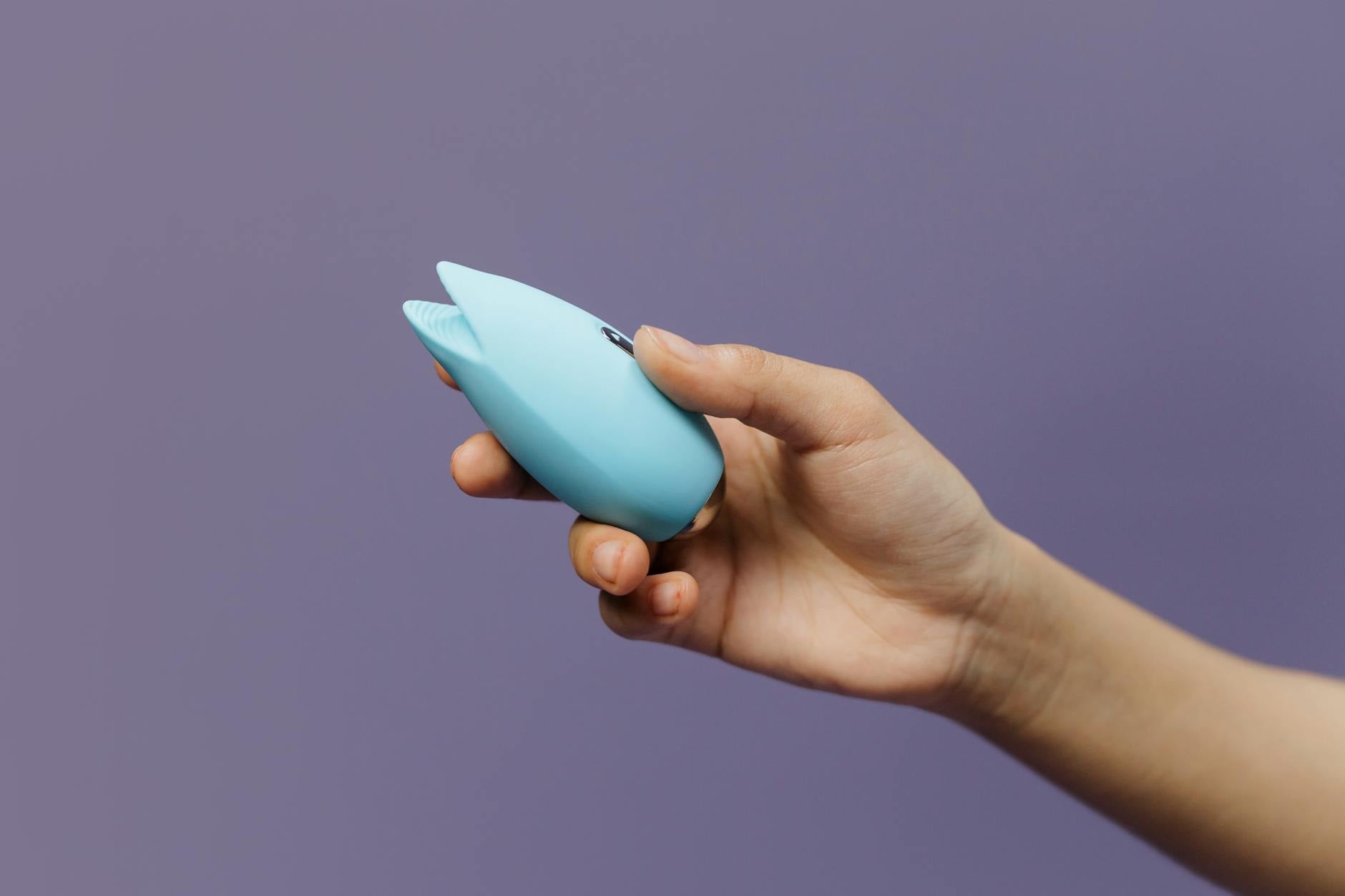
Photo by cottonbro studio on Pexels
The emotional piece no one talks about
Rebuilding pleasure after avoidance isn't just about sensation. It's about grieving the years you lost and forgiving yourself for the avoidance.
Many people feel shame when they realize they've been saying no to sex for years. Shame that they let it happen. Shame that they're "broken" now. Shame that their partner waited or left or settled. That shame is the avoidance cycle's evil twin. It keeps you locked in.
Here's what I need you to know: avoidance was protective. It kept you safe from something that felt dangerous. You weren't broken or lazy or frigid. You were protecting yourself. That was wise at the time.
Now you're choosing to change it. That takes more courage than people realize.
Give yourself permission to cry. To feel angry. To move slowly. To take breaks. To hate it sometimes before you love it again. All of that is part of the retraining.
When to bring a partner in (and how)
If you have a long-term partner, they've probably been affected by the avoidance too. That conversation needs to happen separately from the pleasure conversation.
"I've been avoiding sex because I was scared" is important. "I want to rebuild my relationship with my own pleasure first" is also important. "I'm not ready for partnered sex yet, but I'm rebuilding" sets a timeline that isn't about rejecting them.
Once you've spent a few weeks with a lemon vibrator and your nervous system has settled, you can start imagining partnered touch. Not performing. Not proving anything. Just different touch. Maybe they can be in the room while you use your vibrator, so they see that pleasure is returning. Maybe they can provide non-sexual touch to help you associate their hands with safety again.
This is not fast. It's also not optional if you want real desire to return. The avoidance taught your body that their touch was part of the threat. It needs to relearn that it's not.
The thing about orgasm during rebuilding
A lot of people expect that once they restart, orgasms will come roaring back. Sometimes they do. Often they don't, not right away.
That's okay. An orgasm is not the goal. It's not the marker that you're "fixed." The goal is nervous system safety and sensory awakening. Orgasms often follow, but they're not the prerequisite.
I've worked with people who took six months to have an orgasm again, and the first one was quiet and small and nothing like what they remembered. And it was transformative anyway, because it meant their body was capable of pleasure again. The intensity will return with time.
Don't rush it. The rushing is what got you into avoidance in the first place.
FAQ: Rebuilding pleasure after sexual avoidance
How long does it take to rebuild desire after years of avoiding sex?
It depends on how long you avoided, why you avoided, and how consistently you practice. Generally, people start noticing shifts in 4-8 weeks of regular solo play with a vibrator. Deeper rewiring takes longer. Think in seasons, not weeks.
Is it normal to feel anxiety while using a lemon vibrator if I've been avoiding sex?
Completely normal. Your nervous system is expecting threat. That anxiety is actually information. Notice it. Breathe through it. If it's overwhelming, take a break and try again the next day. Anxiety usually decreases with repetition as your body learns: this is safe.
Can I rebuild desire if my partner doesn't know I'm trying?
Yes. In fact, most people find solo rebuilding easier because there's no performance pressure. That said, eventually your partner will notice changes. A separate conversation about your avoidance and your work to rebuild is more helpful than surprise than surprise intimacy. You deserve support for this.
What's the difference between clitoral suction and vibration for someone restarting after avoidance?
Clitoral suction tends to feel gentler and more focused for people with avoidance patterns. It's less likely to trigger the "too much" response that can happen with direct vibration. Suction also naturally encourages pelvic floor relaxation, which is usually tight after years of avoidance. You may find that starting with suction feels easier than jumping to vibration.
What if I'm in a long-term relationship and my partner wants to be part of rebuilding?
That's beautiful and also tricky. Make sure you have solo pleasure working first. Your nervous system needs evidence of safety in a completely non-performance context before adding another person's presence and needs into the mix. When you're ready, bring them in gradually. Maybe they're in the room while you use your vibrator. Maybe they provide non-sexual touch. The order matters.
Is it possible to rebuild desire if there was sexual trauma in the past?
Yes, and it takes more care. Trauma changes how avoidance works. You might benefit from working with a trauma-informed therapist alongside your solo pleasure work. A vibrator is a tool for sensation rebuilding, but trauma healing usually needs additional support. Both can happen in parallel.
You get to restart
Avoidance is sticky because it works. But work doesn't mean it's serving you anymore.
Your body hasn't forgotten how to feel pleasure. It's forgotten that pleasure is safe. A lemon vibrator, used slowly and solo, teaches your nervous system and your sensory system that pleasure can be gentle, controlled, and safe. That lesson ripples outward into partnership, into confidence, into desire itself.
You don't need to be fixed. You need to be reintroduced to yourself. That's what this is.
If you're unsure where to start or how to navigate this with a partner, reach out to our team. We're here to help.
Sources
- Brotto, L. A., Atema, V., Buchholz, K. (2020). Mindfulness and Acceptance Approaches to Sexual Performance Anxiety. Current Sexual Health Reports, 12(1), 1-13.
- Maseroli, E., Scapigliati, G., Mancini, M., et al. (2022). Sexual Dysfunction: A Systematic Review of Effects of Medical Conditions and Medications. Sexual Medicine Reviews, 10(1), 92-110.
- Raab, D. J., Perlin, E. A. (2022). Overcoming Sexual Avoidance: A Cognitive-Behavioral Approach. Journal of Sexual Medicine, 19(4), 581-592.
- Mogilski, J. K., Gesselman, A. N., Crick, K., et al. (2021). Consensually Non-Monogamous and Monogamous Relationships: How Do They Differ? Current Sexual Health Reports, 13(3), 1-15.