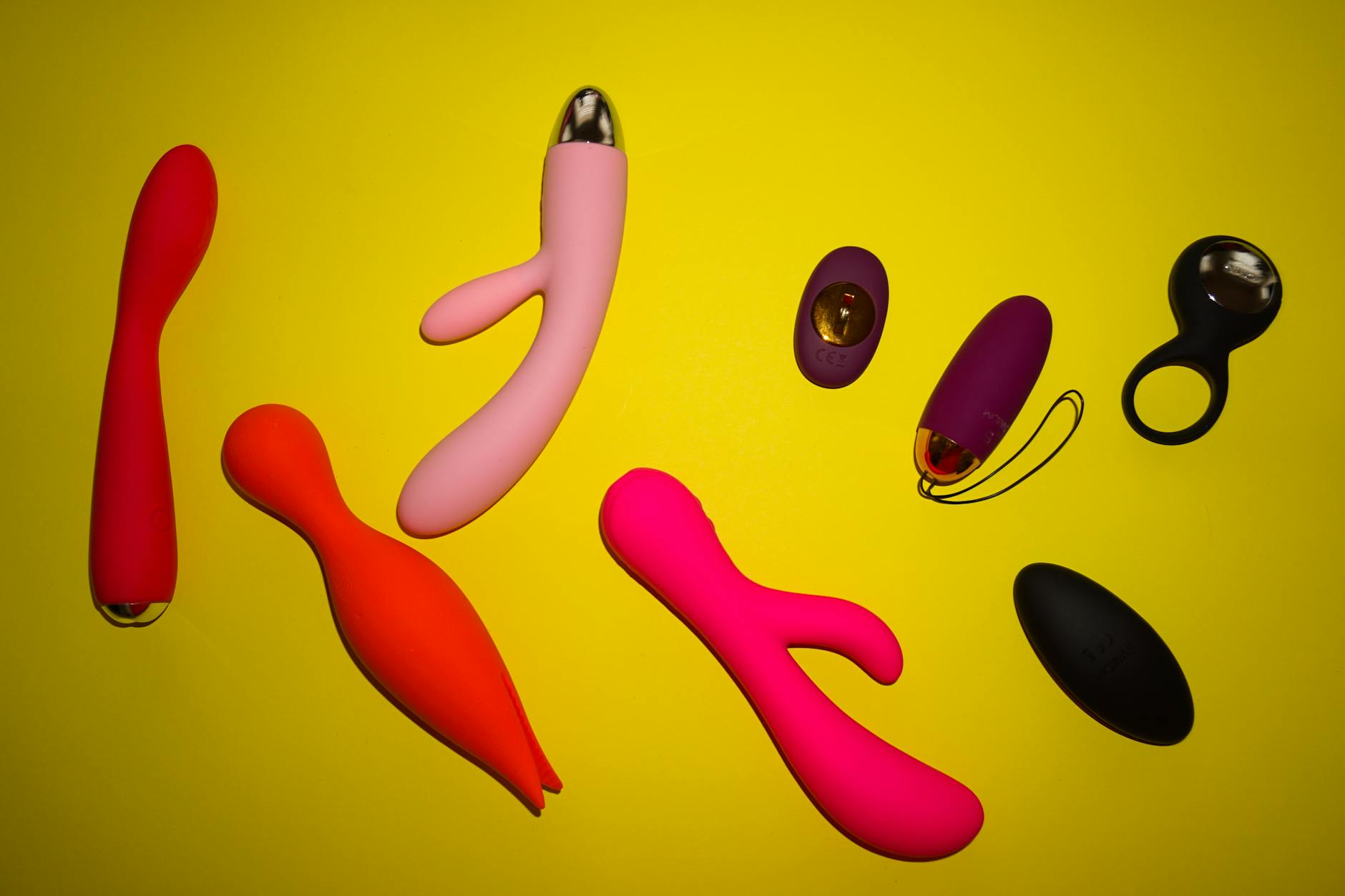
Let's talk about what nobody mentions after divorce
Divorce ends a lot of things. Your body, though, isn't one of them. Yet most people emerge from separation feeling weirdly disconnected from their own pleasure. You've spent years (maybe decades) syncing your arousal to someone else's timeline, preferences, and presence. When that's gone, you're left holding something you haven't examined in a while: your own desire.
That's not dramatic. That's just what happens. And here's the thing nobody tells you: solo exploration isn't a consolation prize. It's the actual foundation for everything that comes next.
Why your nervous system needs this transition
During a long relationship, your body learns a specific pattern. You recognize arousal cues tied to your partner. You develop reflexes around their touch, their timing, their needs. That's not shallow. It's how neural pathways work. When the relationship ends, those pathways don't just vanish. They sit there, waiting for input that isn't coming anymore.
Meanwhile, you're managing grief, logistics, possibly financial stress, and the identity shift of being single again. Your nervous system is already in overdrive. The last thing your brain wants to do is rewire your pleasure architecture from scratch.
But here's where it gets interesting: lemon vibrators, and clitoral vibrators generally, bypass a lot of that emotional baggage. They're consistent. They don't have expectations. They don't trigger the relational patterns you're trying to move past. They let you explore what your body actually wants, separate from the architecture of partnership.
The permission piece matters more than you think
After divorce, many people tell themselves they'll "get back to themselves" eventually. Romance will happen again. Then they can figure out pleasure. This is backwards. You don't find yourself by waiting for the next person. You find yourself by paying attention now.
Using lemon vibrators solo isn't practice for someone else. It's a conversation with your own body. That distinction changes everything. When you explore with a clitoral vibrator like the Lem, you're not performing. You're not managing anyone else's comfort or arousal. You're purely gathering data: what actually feels good to you now, in this body, at this stage of your life.
The second reason this matters: pleasure is a stress response. Not in the bad way. In the neurochemical way. Orgasm releases oxytocin, serotonin, and dopamine. After divorce, your body is depleted. Rebuilding your own pleasure pathway is literally a form of self-repair.
How to start if you haven't touched a vibrator before
Three things upfront:
1. You're not "behind." Some people have never used toys. Some used one with a partner five years ago and haven't thought about them since. Both are fine. You're starting here, not somewhere else.
2. Start with the right device. Lemon vibrators are designed for external clitoral stimulation. They use suction-based technology, which feels very different from traditional vibration. If you're nervous about intensity, suction is actually gentler on sensitive tissue. It stimulates without friction.
3. You'll feel weird the first time. This is normal and temporary.
First session: grab a quiet moment. No pressure to orgasm. No performance target. Download one of the three patterns on your lemon vibrator and explore how the sensations change as you apply different pressure levels.
Many people find that the suction toy works better on bare skin than through underwear. Experiment. Take notes. You're allowed to stop and start multiple times.
Building a routine that feels intentional, not rushed
Solo exploration works best when you treat it like a ritual, not a task. That doesn't require candles or meditation. It requires time boundaries and mental space.
Once or twice a week, carve out 20 to 30 minutes where you're not multitasking. Phone on silent. Door locked. No "while I'm thinking about it." The consistency trains your nervous system to expect this time as safe. Your body responds faster when it knows you're showing up.
Start with minimal stimulation. Many post-divorce bodies have some tension stored in the pelvic floor. Your lemon vibrator can help release that, but pushing too hard too fast creates the opposite effect. Begin at pattern one or two. Breathe. Move the device in small circles or gentle pulses instead of holding it still.
You might notice that arousal takes longer to build than it did with a partner. This is normal. You're not receiving external input (kissing, hands, voice). You're generating all of it internally. That actually takes longer, and that's fine. Extend your session. Budget 25 minutes instead of 10.
What to do if grief shows up during pleasure
Some people experience waves of sadness when they start exploring solo. Tears during orgasm. A strange mix of release and loss. This is wildly common post-divorce and doesn't mean you're doing something wrong.
Your body is holding both things at once: relief that you have agency again, and sadness about the relationship that ended. Vibrators don't heal that contradiction. You do. By feeling it.
If this happens, pause. Sit with it. The goal isn't to push through to orgasm. The goal is to stay in your body long enough to notice what's there. Talk to a therapist about it if the sadness is heavy. But also know that pleasure and grief can coexist. They're not mutually exclusive.
The transition to partnered pleasure (when you're ready)
Solo exploration with lemon vibrators isn't forever (though it can be). Eventually, if you want partnership again, you might want to integrate toys into shared intimacy. But you have something valuable now that you didn't have before: baseline data about your own arousal.
You know which patterns work. You know how long warm-up takes. You know what kind of pressure you like, and where. When you eventually share that with a new partner, you're not asking them to guess or figure you out. You're collaborating from a position of knowledge.
This shifts the whole dynamic. Instead of "I'm broken, figure me out," it becomes "Here's what I've learned about my pleasure." That's a radically different conversation.
FAQ: Solo exploration and lemon vibrators
How often should I be using a lemon clitoral vibrator after divorce?
There's no "should." Some people explore several times a week. Others prefer monthly. What matters is that it's consistent enough for your nervous system to register safety, but not so frequent that it feels like obligation. If you're asking "is this too much," you're probably overthinking. Listen to your body. If it feels good and you have the time, do it.
Can lemon vibrators actually help with depression or grief after divorce?
Yes and no. Orgasm triggers neurochemical shifts that improve mood short-term. But a vibrator isn't therapy. If you're in serious depression, that needs actual support (therapist, possibly medication). Toys can be part of self-care, but they're not a substitute for treatment. Think of them as complementary.
I feel guilty using a vibrator alone. Is that normal?
Very. You were probably taught (directly or indirectly) that sexual pleasure requires another person. It doesn't. Pleasure is your birthright, partnered or solo. If the guilt is strong, journal about where it came from. Family messaging? Religion? Relationship dynamics? Usually, once you trace it, it loosens.
Will using lemon vibrators change how I experience partnered sex later?
No, not in a bad way. If anything, you'll know what feels good, so you'll communicate better. Some people worry they'll become "dependent" on vibrators. The research doesn't support this. You're just learning your body. That's a feature, not a flaw.
How do I know if I'm ready to start exploring solo again?
You don't need permission. But if you're feeling raw or in acute crisis, maybe wait a month or two. If you're past the immediate shock and starting to think "what do I actually want for myself," that's the signal. Solo exploration often clicks best when you're moving toward something (your own pleasure) rather than running from something (the relationship).
What if I'm not interested in partnered sex ever again?
Then solo pleasure and lemon vibrators become your actual long-term practice, not a stepping stone. That's completely valid. Some people thrive as single explorers. If that's you, lean into it without apology.
Moving forward
Divorce is a rupture. Your body was part of a system for years. When that system breaks, it's natural to feel untethered. Rediscovering your own pleasure isn't selfish. It's the groundwork for rebuilding yourself.
Lemon vibrators are a tool in that process. Not the only one. But they're a very good one. They're consistent, they're designed thoughtfully, and they ask nothing of you except to show up.
Start small. Be patient. Let your nervous system move at its own pace. Your pleasure matters. Solo, partnered, or both. You deserve that foundation before anything else.