Infidelity breaks more than trust
Let's be real. After infidelity, sex feels contaminated. Your body remembers the betrayal even when your mind is ready to try again. You might feel numb during intimacy, hypervigilant about your partner's attention, or completely disconnected from your own desire. That's not broken. That's a rational nervous system response to a safety threat.
The good news is that your capacity for pleasure didn't evaporate. It's just hidden under layers of hurt and protection. Reclaiming solo pleasure first, before reconnecting with a partner, is often the most direct route back to genuine intimacy.
Why solo pleasure matters in recovery
Infidelity isn't primarily about sex. It's about betrayal, lies, and a rupture in the safety you thought you had. When you try to rebuild intimacy with a partner while you're still unsafe in your own body, you're asking yourself to trust someone else before you trust yourself. That's backward.
Working with lemon sexual toys solo serves three healing functions simultaneously. First, you're creating space where pleasure belongs only to you. No performance, no mirroring, no anxiety about what your partner thinks. Second, you're gathering evidence that your body still works, still wants things, still responds to what feels good. Third, you're rebuilding the neural pathways between sensation and safety.
This isn't avoidance. It's foundation work.
Starting with solo exploration
If you've been avoiding your own pleasure because it feels like you're abandoning your partner, or because solo touch feels indulgent while the relationship is broken, let me name that directly. That's trauma talking, not truth. Your pleasure is not a zero-sum resource that depletes your partner's share.
Begin by setting a time and space that feels genuinely private. Not rushed between dinner and bed. Not in the back of your mind while you're listening for your partner to get home. A real hour where you can breathe and move without vigilance.
Start with touch before introducing a lemon clitoral vibrator. Your hands. Your body. What you notice. Many people who've experienced infidelity are surprised to find that their clitoris hasn't forgotten how to wake up. The pathway might be slower or quieter than before, but it's there.
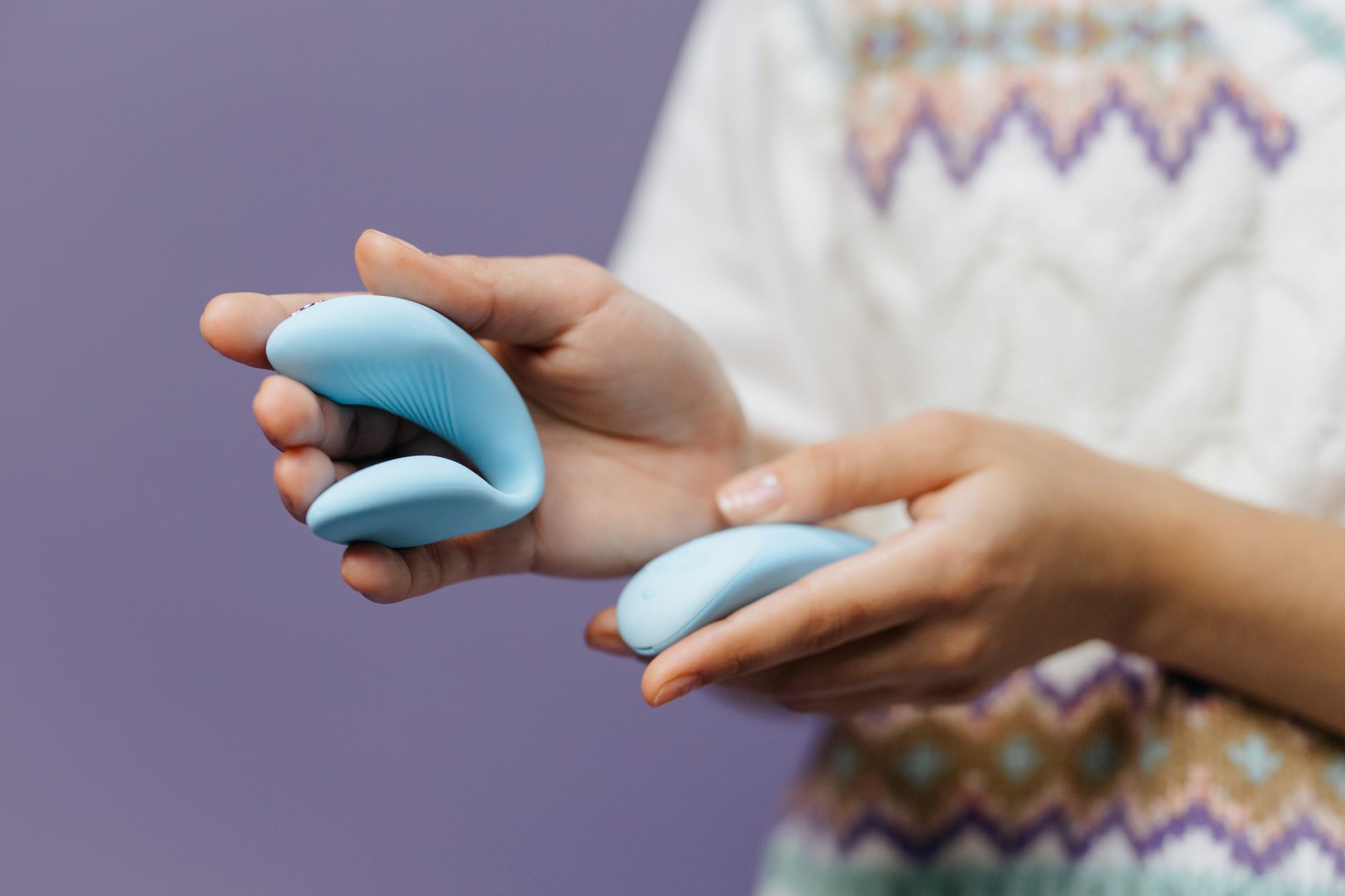
Then introduce a clitoral vibrator like the Lem on the lowest setting. Let suction do the work rather than friction. Suction creates a gentle seal that many people find less intense and more meditative than direct contact. You're not trying to orgasm. You're gathering information about what your body can still feel.
The bridge between solo and partnered
Once you've rebuilt some trust in your own responses, the conversation with your partner changes. Instead of "We need to fix this," it becomes "I'm learning what helps me feel safe in my body. Here's what that looks like."
That's radically different. It puts you at the center. It's not about healing the relationship through sex. It's about you deciding what intimacy means now, and inviting your partner to respect that boundary.
Many couples find that introducing a lemon vibrator into partnered sex actually clarifies communication. Your partner watching you use a clitoral vibrator during sex isn't about their inadequacy. It's about you knowing exactly what brings you back to pleasure. Some partners find that deeply hot. Others find it threatening, which tells you something important about whether they're actually ready to rebuild.
What to watch for
If your partner pressures you to resume full sexual intimacy before you're ready, or makes your vibrator use about their insecurity, that's a sign that the breach of trust extends beyond the infidelity itself. A partner who's genuinely sorry will prioritize your healing over their own arousal. That's non-negotiable.
If you find that you're able to orgasm solo but completely shut down during partnered sex, that's your nervous system telling you it doesn't feel safe yet. Not "yet" meaning it never will. Yet meaning right now. Respect that boundary. Push back on any pressure to move faster.
Some people report that their desire returns before their trust does. That's real. You can want sex and still feel unsafe. Don't confuse arousal with emotional readiness.
The timeline is yours
Relationship recovery after infidelity typically takes 3 to 5 years before real trust is restored. That's not therapy-speak. That's what the data shows. Your body's timeline might be faster or slower. Both are normal.
The work of rebuilding isn't linear. You might have weeks where solo pleasure feels safe and good, then hit a trigger that sends you back into protection mode. That's not failure. That's the nervous system doing its job.
Keep using lemon sexual toys as a tool to stay connected to yourself during that process. Whether you're using them solo or eventually with a partner, they're a bridge back to knowing what you want and what feels good.
When to ask for professional help
If you find that you're unable to feel pleasure even in solo exploration, or if anger or numbness is deepening rather than gradually shifting, talk to a therapist who specializes in infidelity recovery. That's not a failure. That's taking the healing seriously.
If your partner refuses to acknowledge the harm or won't engage in couple's therapy, that's information too. You can't rebuild trust alone. Both people have to show up.
Reclaiming your pleasure after infidelity is an act of self-respect. You're saying: my body matters, my desire matters, and I'm not waiting for permission to feel good again. That foundation is what makes real partnership possible.
People also ask
How long does it typically take to want sex again after infidelity?
Desire returns on its own timeline, usually 6 months to 2 years, depending on how much of your identity was tied to the relationship and how responsive your partner is to rebuilding trust. Some people report that desire returns before emotional safety does, and some experience the opposite. Both are normal. Working with a lemon clitoral vibrator solo can help you track where your desire is independent of the relationship's status.
Can using a vibrator during partnered sex speed up the healing process?
No, but it can clarify what you need. If a lemon vibrator helps you feel pleasure during partnered sex when you couldn't before, that's valuable data. It tells your partner what your body responds to and removes pressure for them to provide something your nervous system isn't ready to receive yet. The healing itself comes from restored trust, consistent honesty, and time.
What if my partner feels threatened by my vibrator use?
That's worth exploring with a couple's therapist. A partner's insecurity about your vibrator use after infidelity often signals that they're focused on their own ego rather than your recovery. Genuine remorse includes supporting your healing, even if it looks different from what they imagined. If they can't work through that discomfort, that's relevant to whether the relationship can actually rebuild.
Is it normal to prefer solo pleasure with a vibrator over partnered sex right now?
Completely normal. Your body is protecting itself. Solo pleasure feels safer because there's no fear of being hurt by someone you're still rebuilding trust with. That preference usually shifts as emotional safety is restored, but there's no timeline. Some people find that their most reliable pleasure comes from clitoral vibrators regardless of relationship status, and that's fine too.
How do I know if I should try to rebuild the relationship or move on?
That's the question I can't answer for you, only a therapist who knows your full situation can help. What I can tell you is that your decision shouldn't be made from a place of sexual dysfunction. If you're unable to feel desire because the relationship is actually over, that's different from temporary numbness while trust is being rebuilt. Give yourself 6 to 12 months of consistent therapy before making that call.
Can lemon vibrators help if I have trauma responses during sex after infidelity?
Sometimes. If you're having flashbacks or panic, a vibrator won't fix the underlying trauma response. You need a trauma-informed therapist. But once you're in therapy and beginning to process, rebuilding a sense of control in your own body through solo vibrator use can support that work. The vibrator is a tool within a larger healing process, not a substitute for professional help.
Your pleasure matters. Your safety matters. Your timeline matters. Those three things are the foundation of healing after infidelity. Whether you choose to rebuild with your partner or rebuild alone, honoring what your body needs is where the real work begins.