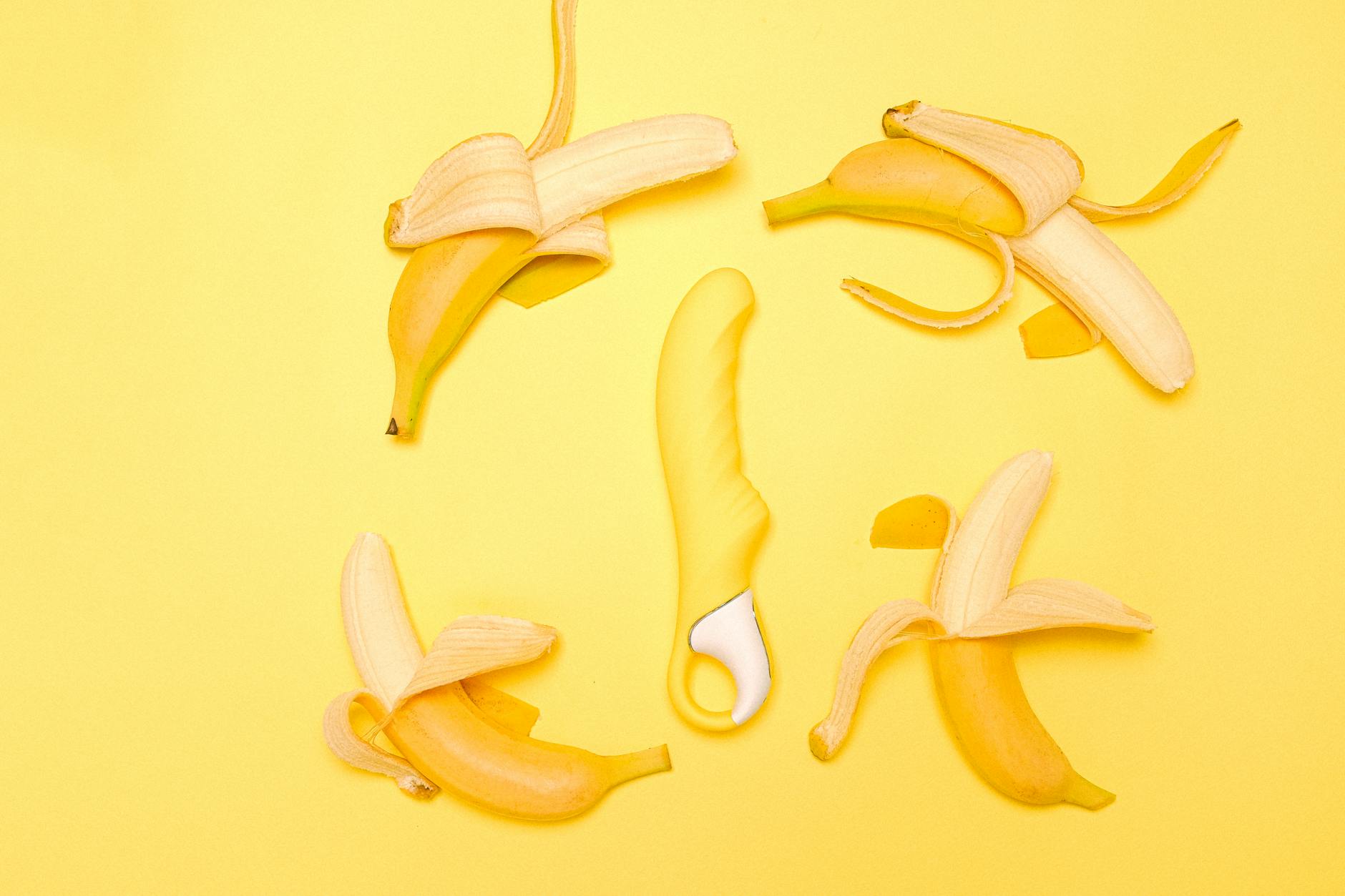
Let's start with what pelvic floor dysfunction actually changes
Pelvic floor dysfunction isn't just pain. It's tension, weakness, or a combination of both. Your pelvic floor is a set of muscles that support your bladder, bowel, and uterus or prostate. When they're tight or weak, orgasm feels different. Sometimes it doesn't happen at all. Sometimes it hurts. The good news is that recovery is real, and so is pleasure on the other side of it.
But here's the thing most people don't hear: you can't just jump back into what worked before. Your nervous system has learned to guard that area. It needs permission to relax. Using lemon vibrators during recovery isn't about forcing sensation. It's about teaching your body it's safe to feel again.
Why lemon vibrators work for pelvic floor recovery
Lemon clitoral vibrators use air-suction technology instead of direct vibration. That matters during recovery. Suction stimulates the clitoris without the mechanical pressure that can trigger pelvic floor tension or pain. If you're dealing with pelvic floor dysfunction, direct vibration can activate the guarding response. Your muscles tighten as a protective reflex. Suction works differently. It creates gentle negative pressure that draws blood and sensation without that involuntary protective squeeze.
I recommend starting with the lowest pattern on a lemon vibrator during recovery. Not because you're broken, but because your nervous system needs time to downregulate. The gentler approach works with your healing process instead of against it.
The timeline for reintroducing pleasure
Most people ask me: "When can I start using toys again?" The answer depends on your specific diagnosis and where you are in physical therapy. Here's a realistic framework.
Weeks 1-4 of recovery (or early in your PT program): Focus entirely on relaxation and breathing. If you're cleared by your physical therapist to explore sensation, start with external touch only. No toys yet. The goal is nervous system downregulation, not orgasm.
Weeks 5-8: You can introduce a lemon vibrator, but only on the lowest setting, for brief sessions (3-5 minutes). Start at pattern 1, the most subtle option. Use it when you're already relaxed, not when you're tense or stressed. The goal is sensation without pressure.
Weeks 9-12: Gradually increase duration and intensity only if you're pain-free during and after. Many people stay at lower patterns throughout recovery and that's completely normal. There's no prize for cranking it up.
Beyond 12 weeks: Work with your physical therapist to gauge whether you can progress. Some people benefit from staying on gentler patterns indefinitely. Your body is telling you what it needs. Listen to it.
How to actually use a lemon vibrator during recovery
Setting matters first. You need a space where you feel genuinely safe. Not "fine with it," but actually calm. Your nervous system reads the environment. If you're tense about interruptions or uncomfortable where you are, your pelvic floor will respond. Pelvic floor recovery is parasympathetic work. Your body needs to be in rest-and-digest mode.
Lubrication is essential, even if you usually don't need it. During recovery, tissues can be more sensitive. Water-based lubricant reduces friction and signals safety to your nervous system. Apply it generously before you start.
Start by using the lemon vibrator on the external clitoris only. No internal contact, no penetration. Rest the tip gently against the clitoral hood or shaft. Let the suction do the work. Don't grip or tense. The whole point is learning to relax while receiving sensation.
Breathe. Seriously. Most people hold their breath during this kind of recovery work. It keeps you in sympathetic activation (fight-or-flight). Breathing deeply into your belly signals your nervous system that you're safe. In for four, out for four. Keep that rhythm throughout.
Start at pattern 1 for 2-3 minutes. If it feels good, stay there. If you feel tension, stop immediately. You haven't failed. Your pelvic floor is just telling you it needs more time. The goal is pleasure without tension.
What pain during recovery actually means
Pain is data. Sharp pain, burning, or sudden tension means stop. Your nervous system is protecting you for a reason. This isn't weakness. This is information.
After using a lemon vibrator, check in with yourself. Do you feel relaxed? Energized? Or do you feel tense, sore, or have increased symptoms? Keep a simple note. Over a week or two, patterns emerge. That pattern tells you whether this tool is supporting your recovery right now.
Some people find that even gentle lemon vibrators are too much in early recovery. That's valid. Your pleasure isn't going anywhere. You can circle back in a few weeks when your nervous system has downregulated further.
If pain is persistent, check in with your pelvic floor physical therapist. They can assess whether you're ready and adjust your approach. Recovery isn't linear. Some weeks you'll feel ready for more sensation. Other weeks you need to scale back. Both are normal.
Partnered recovery: using lemon vibrators with someone else
If you have a partner, communication is everything. Your partner needs to understand that pelvic floor recovery isn't about their contribution. This is between you and your nervous system. Their job is to support, not to solve.
Some people find it helpful to use a lemon vibrator together during recovery. Your partner can be present while you explore sensation. Others prefer solo exploration initially. Both approaches are fine. What matters is that your partner isn't pressuring you or interpreting pacing as rejection.
If you're using a lemon vibrator with a partner present, be explicit about what helps. "I need you to just sit with me and breathe" is a complete sentence. "Please don't ask if I'm close to orgasm" is valid. Your partner doesn't need to understand pelvic floor dysfunction perfectly. They just need to respect your pace.
When to pause and why
You might need to pause lemon vibrator use if you experience increased symptoms. More pain, more urgency, more frequency issues. That's your signal that you're moving too fast. Pause for a week or two, focus on breathing and relaxation, then gradually reintroduce.
You might also pause if you're entering a high-stress period. Stress activates your pelvic floor. Using any vibrator during a stressful time can reinforce tension patterns. Take a break. Come back when things settle.
Pausing isn't failure. It's wisdom. Your recovery has its own timeline. Trust it.
The nervous system piece nobody talks about
Here's what I tell all my clients in pelvic floor recovery: pleasure returns when your nervous system believes it's safe. That belief rebuilds through repetition. Each time you use a lemon vibrator and it feels good, each time you breathe through sensation without pain, each time you honor your body's limits, your nervous system learns something new. Safety. Permission. Self-trust.
That rewiring takes time. It's not quick. But it works. Most people I've worked with find that pleasure not only returns, but deepens. Because you've learned to listen. You've practiced saying no when your body needs it. You've built intimacy with yourself that goes deeper than before the dysfunction.
People also ask
Can I use a lemon vibrator if I have vaginismus?
Vaginismus is involuntary pelvic floor contraction triggered by attempted penetration. A lemon clitoral vibrator doesn't require penetration, so external use is often safe and actually helpful during recovery. Start with pattern 1, keep it external, and work closely with a pelvic floor PT. Some people find that gentle external stimulation helps their nervous system realize penetration isn't inherently threatening. Others need to stay external for months. Your PT will guide timing.
How long until I feel "normal" pleasure again?
That depends on your specific diagnosis, how long you've had dysfunction, and how consistently you're in recovery. Most people see improvements within 8-12 weeks of active treatment. But "normal" pleasure often looks different after recovery. It can be richer, more connected to your body, more intentional. That's not a downgrade. That's evolution.
Should I use a lemon vibrator if penetration still hurts?
Yes, potentially. Pelvic floor dysfunction often makes penetration painful while clitoral stimulation is fine. A lemon clitoral vibrator lets you experience pleasure without triggering pain. That's valuable during recovery. External stimulation can actually help your pelvic floor relax, which over time makes penetration easier. But talk to your physical therapist about your specific situation.
Is it okay to use a lemon vibrator if I'm not having orgasms yet?
Completely. Orgasm isn't the goal in pelvic floor recovery. Sensation, relaxation, and nervous system downregulation are. If you use a lemon vibrator and feel pleasurable sensation without pain, that's a win. Orgasm will return when your pelvic floor is ready. Chasing it too early can actually delay recovery.
Can using a lemon vibrator make pelvic floor dysfunction worse?
If you use it in a way that triggers tension or pain, yes. But that's why pacing and listening to your body matter so much. A lemon vibrator itself isn't harmful. How you use it during recovery is what counts. Start low, stay external, breathe, and stop if you feel pain. Used that way, it supports recovery.
What if my partner wants to use the lemon vibrator on me but I'm nervous?
That's worth exploring separately from recovery itself. Many people find that partnered touch during pelvic floor recovery feels different than solo exploration. You might ask your partner to start with just holding the vibrator against your body without turning it on. Let you get used to their touch in that context. Then gradually introduce the lowest pattern. Control stays with you. If you want to pause, they pause. That rebuild of trust in partnered touch is part of recovery too.
Pelvic floor recovery is a conversation with your body. Lemon vibrators can be a useful part of that conversation when you use them with patience, nervous system awareness, and genuine self-compassion. Your pleasure matters. Your pace matters. Your healing comes first. Everything else follows from that.
If you're working through pelvic floor recovery and want more personalized guidance, consider reaching out to a pelvic floor physical therapist or a sex therapist familiar with this work. You don't have to figure this out alone. And if you want to explore how to rebuild intimacy with a partner during recovery, articles on rebuilding intimacy with a long-term partner and returning to intimacy after relationship breaks offer frameworks that apply to recovery too.