Let's talk about the gap
Health interruptions hit differently than other relationship pauses. A surgery, treatment cycle, or recovery period doesn't just take you out of the bedroom. It rewires your relationship to your body, your confidence, and sometimes your sense of being desirable at all. When you're finally cleared to resume intimacy, there's this strange pressure: you're supposed to just pick up where you left off. You can't. And that's not a failure.
Here's what I tell my clients: restarting intimacy after health recovery is like learning to dance again after an injury. Your body remembers the rhythm, but your trust doesn't. Lemon vibrators can bridge that gap because they put control back in your hands, literally. No performance pressure, no timing anxiety. Just sensation, on your terms.
Why pleasure matters during recovery
This isn't frivolous. Sexual pleasure releases oxytocin, which reduces stress and supports immune function. Orgasms increase blood flow, which accelerates healing. And psychologically, reclaiming pleasure signals to your brain that you're moving from "patient" back to "person." That shift matters more than most people acknowledge.
The challenge is that many people feel physically cleared for sex but emotionally hesitant. You might worry about pain, re-injury, or whether your body will respond the way it used to. A clitoral vibrator addresses the physical piece without the pressure. You can explore sensation at your own pace, stop whenever you want, and build evidence that pleasure is still available to you.
The physical reality after different types of recovery
Post-surgery (gynecological, abdominal, or pelvic floor): Your doctor likely gave you a timeline. Follow it. Once cleared, start solo before partnered. A lemon clitoral vibrator is gentler on healing tissue than direct finger stimulation because you control the pressure and pattern. Begin at lower intensities. If anything feels sharp or wrong, stop. Discomfort is different from pain. You'll know the difference.
Post-cancer treatment: Chemotherapy and radiation can numb sensation, cause vaginal dryness, or shift how your body responds. This is temporary, but it feels permanent while you're in it. Many of my clients who've gone through treatment say that reconnecting with pleasure via a vibrator helped them reclaim their sexuality after the medical system took so much of it. Use a water-based lubricant generously. The lemon sucker function (air-suction stimulation) doesn't require the same tissue contact as traditional vibration, which can feel less intense if you're dealing with sensitivity.
Post-illness recovery (viral, infection, chronic condition flare-up): Fatigue is often the limiting factor, not physical damage. A vibrator means less effort. You can lie back and receive sensation instead of performing. That might sound small, but after weeks of your body feeling like a liability, it's huge.
Three practical steps to restart
Step one: Solo first. This isn't about cheating your partner out of sex. It's about rebuilding your own relationship to pleasure before you add someone else's presence and expectations. Spend 1-2 weeks exploring sensation alone with a lemon vibrator. Use a low pattern. Notice what feels good. Let your nervous system remember that pleasure is safe.
Step two: Communicate with your partner if you have one. Tell them what your doctor said, what you're feeling physically, and what you're anxious about. Most people's anxiety about partnered sex during recovery comes from unspoken worries. Say them out loud. "I'm worried you'll be gentle to the point of seeming like you don't want me." "I'm scared I'll feel broken." "I don't know if I can orgasm anymore." Your partner probably has worries too. Clear the room of them before you restart.
Step three: Add your partner gradually. Once you're comfortable solo, try partnered touch without any pressure for intercourse or orgasm. Your partner can be present while you use a lemon vibrator. You can be in control of the pace and intensity. This rebuilds intimacy without the performance pressure. Many of my couples who've navigated health recovery together say this was the step that made the difference. It shifted sex from "can we do this" to "how do we do this together."
What to expect emotionally
Your body might respond exactly as it did before recovery, or it might surprise you. Both are normal. Some people feel more sensitive after time away. Some feel less. Some orgasm comes easily, and some takes longer to build. Whatever happens, your job is observation, not judgment.
One thing I see frequently: people feel shame about needing assistance (a vibrator) to restart. Don't. You're not broken; you're in transition. A lemon vibrator is a tool that helps you move through transition faster. That's smart, not weak.
When to check in with your doctor
If you experience sharp pain, unexpected bleeding, or swelling during or after solo or partnered intimacy, contact your healthcare provider. If you're anxious but physically cleared, talk to a therapist or coach who specializes in sexuality and recovery. Anxiety is real and valid and doesn't mean something is wrong. It means you might need support processing the experience.
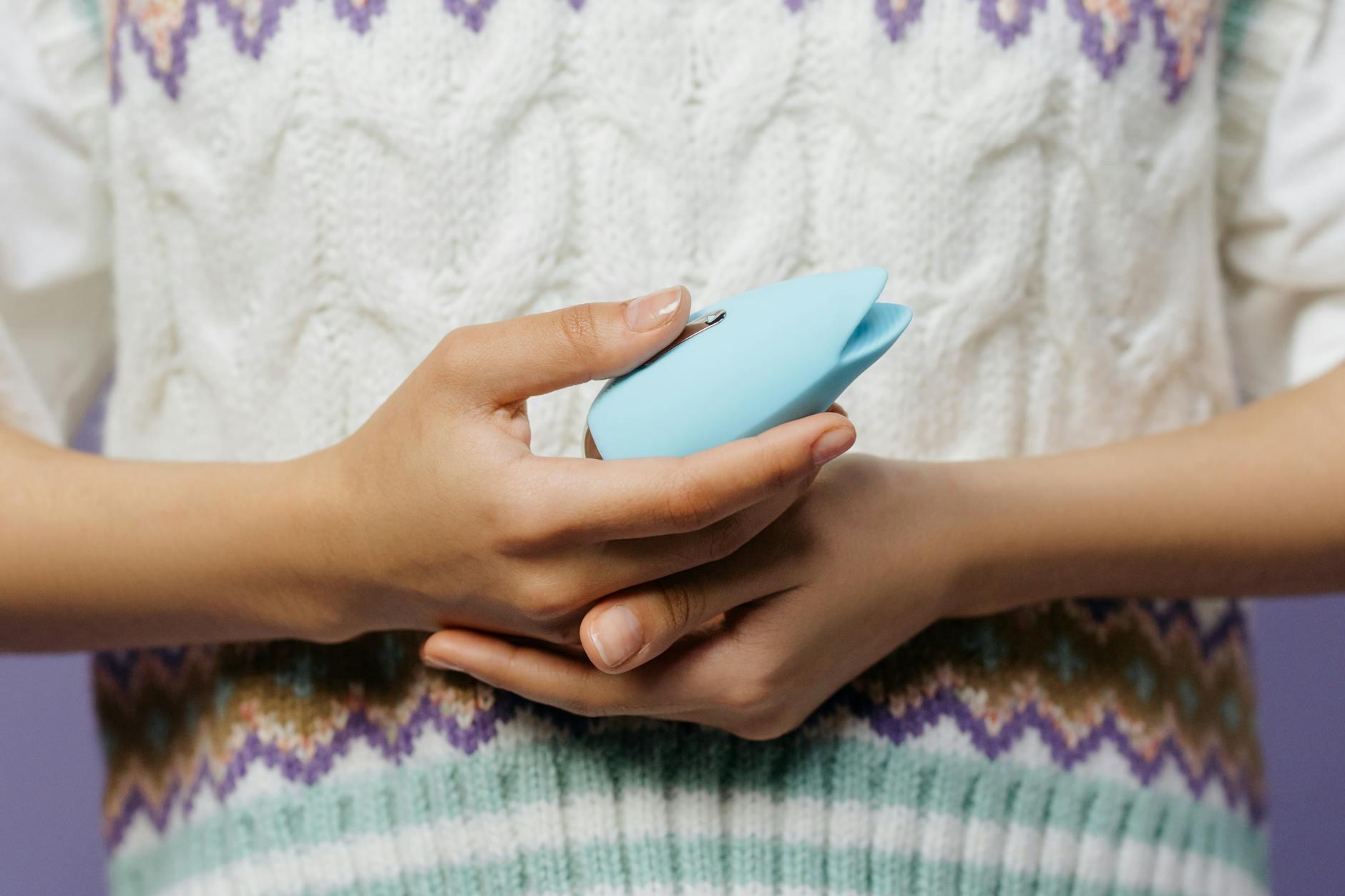
Photo by cottonbro studio on Pexels
The timeline isn't linear
Some days you'll feel ready. Some days you won't. Your desire might fluctuate. Your body's response might change week to week. This is recovery, not a failure. Think of pleasure like physical therapy: you build capacity gradually, you have setbacks, and you celebrate small wins. A lemon clitoral vibrator lets you practice at whatever pace feels right, without external pressure.
Many of my clients tell me that restarting intimacy after health recovery becomes a turning point in their relationship. Because they slow down, communicate more, and approach pleasure as collaboration instead of obligation. Health interruptions suck. But the way couples rebuild afterward can actually deepen things.
FAQ: Restarting intimacy after health recovery
How soon after surgery can I use a vibrator?
That depends entirely on what was repaired. Most gynecological surgeries require 2-6 weeks before any internal stimulation. External clitoral stimulation (which is what a lemon vibrator does) might be cleared sooner. Ask your surgeon specifically: "Can I use an external vibrator?" Get the answer in writing. Don't assume.
Will a vibrator feel different if I've been away from pleasure for months?
Yes, probably. Your body's sensitivity resets. A vibrator that felt perfect before recovery might feel too strong now, or strangely muted. Start at the lowest setting and let your body recalibrate. This usually takes a few sessions. Think of it like returning to the gym. Your muscles remember, but they need a warm-up.
Should I tell my partner I'm using a vibrator to restart?
If you're in a relationship, yes. Honesty prevents resentment later. Frame it as part of your recovery protocol, not a reflection on your partner. "My doctor said I should rebuild confidence solo first. I'm using a vibrator to help with that." Most partners find this reassuring, not threatening. It shows you're taking recovery seriously.
What if my body doesn't respond the way it used to?
That's common after significant health events, especially if hormones or medications were involved. Give it time. Use the vibrator regularly but gently. If a month of gentle, consistent practice doesn't shift things, talk to your healthcare provider. Sometimes desire and response change because of medication side effects, and there are often adjustments available.
Can vibrators help with post-treatment numbness or reduced sensation?
Absolutely. After chemotherapy, radiation, or certain surgeries, sensation can feel muted. A vibrator stimulates more intensely and over a larger area than fingers, which can help wake up nerves. The lemon sucker function is particularly helpful here because it creates a different kind of stimulation that some people find easier to feel.
Is it normal to feel emotional using a vibrator after health recovery?
Very. You might cry, laugh, feel nothing, or feel everything. Your body is saying, "I'm still here, and I still can feel." That's powerful and sometimes overwhelming. All of it is normal. If emotions feel very intense, gentle self-compassion and talking to your partner or therapist helps.
You're not starting over. You're starting again.
There's a difference. Starting over implies erasure. Starting again means you're rebuilding from where you are now, with what you know, with tools that work. A lemon vibrator is one of those tools. It gives you permission to slow down, to explore without pressure, and to reclaim pleasure on your own timeline.
Health recovery is temporary. The confidence you rebuild during that recovery lasts. If you want support thinking through your specific situation, reach out to our team. That's what we're here for.