Let's start where you actually are
Cancer changes intimacy. Treatment can damage tissue, kill desire, mess with nerve endings, and rewire how your brain talks to your body. Coming back to sex after that isn't about flipping a switch. It's about meeting yourself where you are now, not where you were before diagnosis.
Here's what I tell my clients in recovery. Your body survived something brutal. It needs gentleness. Your mind survived fear. It needs permission to feel good again without guilt. And your relationship, if you have one, needs honesty about both of those things.
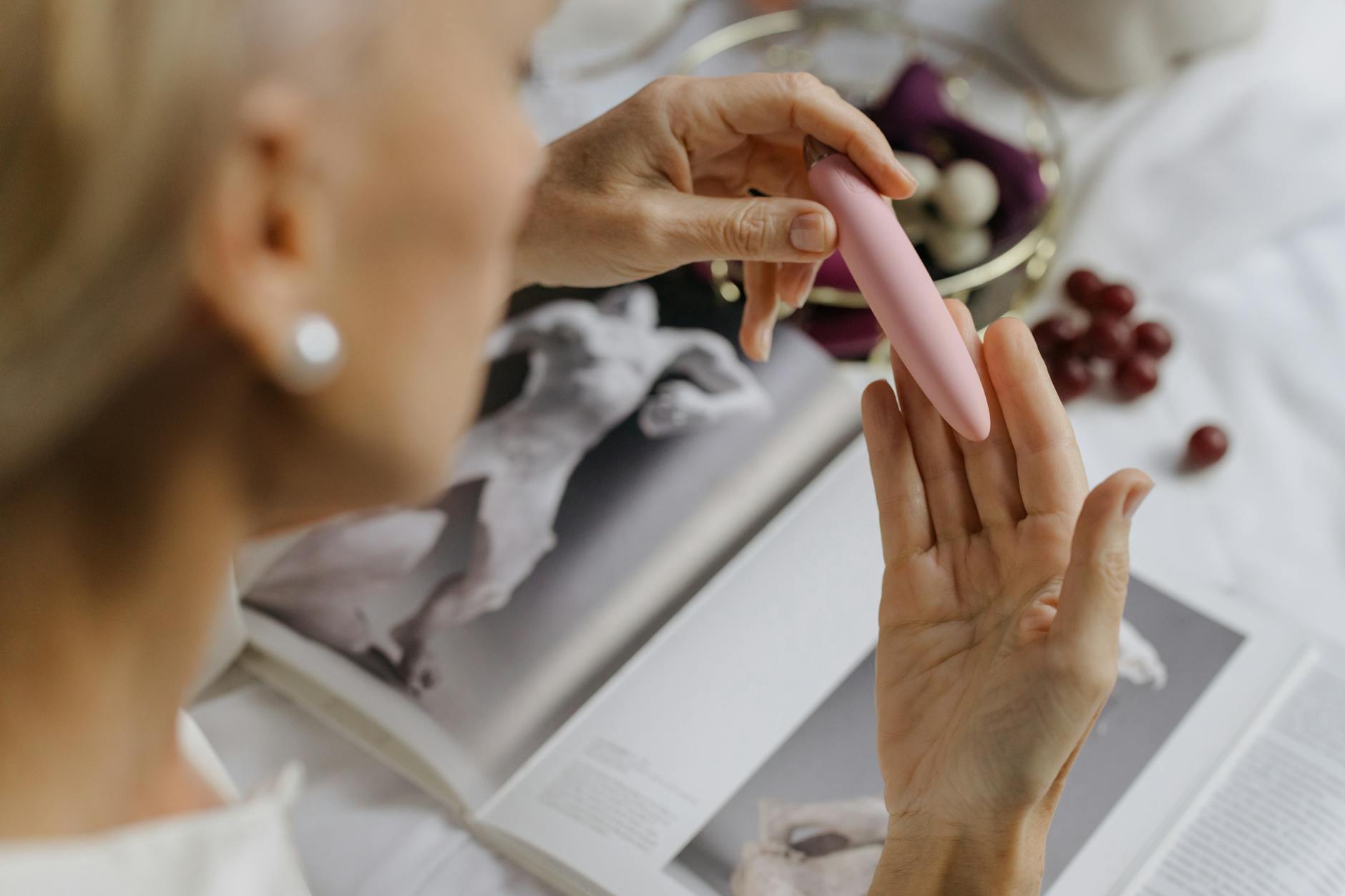
Lemon vibrators, especially clitoral models like the Lem, work well for post-cancer bodies because they let you control intensity, timing, and sensation in ways that feel safe and restorative.
How cancer treatment affects sex
The damage depends on what you had. Chemotherapy can trigger early menopause, killing lubrication and tissue elasticity. Radiation to the pelvis can scar tissue, reduce blood flow, and numb sensation. Surgical removal of ovaries or the uterus changes hormone levels overnight. Breast cancer treatment can make touch on the chest painful or numb.
Then there's the psychological layer. Your body became a thing that was done to, cut open, poisoned, or burned to save your life. Trust rebuilding with that body takes time.
Most cancer survivors I work with report one or more of these: decreased lubrication, reduced sensation in the genitals, pain with penetration, slower arousal, difficulty orgasming, or complete loss of desire. Some experience all five.
The good news. None of these are permanent. And tools like lemon sexual toys can help you map your body again on your own terms.
Starting solo first (and why it matters)
If you have a partner, I recommend solo exploration before partnered sex. Not because partnered sex is wrong. Because you need to know your own body again first.
When you use a lemon vibrator alone, you're gathering data. What pressure feels good right now? Does the suction pattern on setting one feel manageable? What parts of your body still have sensation? Where is touch uncomfortable? This information becomes the foundation for everything else.
Start with five to ten minutes. No pressure to come. No expectation of outcome. Just: does this feel okay? Can I breathe? Am I tense or relaxed?
Many of my clients find that solo sessions with a clitoral vibrator become a ritual of reclamation. Using a lemon vibrator isn't about performing sexuality. It's about proving to yourself that pleasure is still possible in this body. That's profound work.
The tissue reality after treatment
Chemotherapy and radiation can thin vaginal and clitoral tissue. This makes direct friction uncomfortable and makes sensation harder to access. Clitoral suction vibrators sidestep both problems.
The Lem, for example, uses air pulse technology instead of traditional vibration. That means gentler stimulation that doesn't rely on repeated friction. It's why many post-cancer clients find it more comfortable than other lemon clitoral vibrator styles.
If you had radiation to the pelvis or vulva, tissue can become scarred and less elastic. You might notice: discomfort with anything inside the vagina, numbness, or unexpected sharp pain. Water-based lubricant helps, but so does starting with external stimulation only. You can always add internal exploration later, once you know what external sensation is available.
Building arousal when it feels impossible
Chemotherapy brain fog plus hormone loss plus psychological trauma equals: arousal takes forever, or doesn't come at all.
Most cancer survivors need longer warm-up time than they did before treatment. Budget 20 to 30 minutes before expecting any physical response. And recognize that some days, arousal won't show up. That's not failure. That's your nervous system doing what it needs to do.
Here's what helps:
Start with something non-sexual. A shower. A walk. A moment where you're not thinking about sex at all. Your body's arousal system works better when you're not chasing it.
Then spend 10 to 15 minutes on sensation that has nothing to do with your genitals. Touch your own shoulders, neck, inner arms. Notice what feels good. Your nervous system is relearning that touch can be safe.
Only then, when you feel genuinely relaxed, introduce the lemon vibrator. Start on the lowest setting. The goal isn't orgasm. The goal is: can I feel this? Is this pleasurable or uncomfortable?
Many survivors find that their first post-cancer orgasm comes weeks or months into this process. And when it does, it often feels different. Quieter. More diffuse. Sometimes stronger in unexpected ways. All of that is normal.
When to involve your partner
If you're partnered, bringing them back into sex needs its own timeline. Not his timeline. Not her timeline. Yours.
Start by telling them what you've learned about your body from solo exploration. Use neutral language. "I'm most comfortable with external touch right now" is useful. "I can't have penetration" is information. "I need you to know that my body is different and that's okay" is the real conversation.
Many partners of cancer survivors carry guilt. They might think: I shouldn't ask for sex while they're recovering. Or the opposite: I should want to jump back in to show them I still find them attractive. Both miss the point.
What actually helps: curiosity without pressure. Asking before touching. Believing your "not today" without negotiation. Using a lemon vibrator together as foreplay, not as a substitute for you. Recognizing that rebuilding intimacy is a duet, not a performance.
Start with touch that has nothing to do with sex. Hand-holding. Back scratches. Kissing. Let your nervous system remember that your partner's touch is safe. Then, when you're ready, bring the vibrator in as a tool you both explore together.
Managing pain and numbness
If you experience pain during or after using a vibrator, stop. This isn't about toughness. Pain means tissue isn't ready. That's information, not failure.
Talk to your oncologist or a pelvic floor specialist. Some post-treatment pain comes from tight pelvic floor muscles, which physical therapy can fix. Some comes from scar tissue that needs attention. Some is nerve hypersensitivity, which responds well to desensitization exercises and topical treatments.
Numbness is different. You might have lost sensation in parts of your vulva or clitoris due to nerve damage. That's often permanent, but it doesn't mean pleasure is gone. Sensation can redistribute. The areas that still have feeling might become more responsive. Some of my clients report their most intense orgasms come from stimulating the remaining sensitive spots with a lemon vibrator.
The permission piece
Here's what I hear most: I feel guilty for wanting pleasure again. As if wanting to feel good means I didn't suffer enough, or I'm not grateful enough for surviving.
That's not how healing works.
Your body survived. Now it deserves to experience something other than pain. Pleasure isn't frivolous. It's part of what makes you feel alive and whole. Using a lemon vibrator, or any tool that helps you feel good, isn't selfish. It's self-respect.
Cancer took a lot. Your job now isn't to punish your body with abstinence. Your job is to slowly, carefully, let it know that good things are still possible. That you're still worthy of pleasure. That survival isn't just about staying alive. It's about living.
FAQ: Common questions about returning to sex after cancer
How long should I wait before trying to have sex again after cancer treatment?
Physically, most oncologists clear patients for sexual activity once acute treatment ends and major wounds heal. That's usually six to eight weeks after surgery, or weeks into or after chemotherapy or radiation. But emotional and nervous system readiness is different from medical clearance. Give yourself permission to wait longer. Months longer, if that's what feels right. Your body survived trauma. There's no timeline for feeling safe again.
Can I use a lemon vibrator if I have scar tissue from radiation or surgery?
Yes, but carefully. Start externally only. If internal exploration ever feels right, go slowly and listen for pain. Scar tissue can be sensitive or painful with pressure. A gentle, low-intensity lemon clitoral vibrator focused on external stimulation often feels safer than tools designed for internal use. If pain persists, ask your doctor about pelvic floor physical therapy, which can help remodel scar tissue and improve comfort.
Will my orgasms feel the same after cancer treatment?
No. And that doesn't mean they'll be worse. Different is not lesser. Many survivors report that post-treatment orgasms feel quieter, more localized, or take longer to build. Others find them stronger. Some experience them differently in their body because nerve pathways have changed. The important thing: focus on sensation, not outcome. Let your body show you what pleasure looks like now.
What if I have no desire at all after treatment?
That's extremely common and usually temporary. Chemotherapy, radiation, and hormone shifts all tank libido. So does grief and trauma. If you're in active treatment or early recovery, zero desire is your body asking for rest. If months have passed and desire hasn't returned, talk to your oncologist about hormone levels. Testosterone therapy, applied topically, can help restart desire for many survivors. Also talk to a therapist who specializes in cancer recovery. Sometimes desire needs psychological permission as much as physiological healing.
Can I use a lemon vibrator if my partner is uncomfortable with it?
You can use anything in solo exploration. For partnered use, honest conversation helps. Many partners fear that a vibrator means they're not enough. Reframe it: this is a tool for your recovery. Just like physical therapy is a tool, a vibrator is a tool. It's not a replacement. It's medicine. If your partner remains resistant after conversation, consider a session with a sex therapist who works with cancer survivors. Sometimes an outside voice helps.
Is it normal to feel emotionally triggered during or after sex after cancer?
Completely normal. Your body remembers. Flashbacks, anxiety, numbness, or sudden sadness can surface during or after sexual activity. This doesn't mean sex is wrong for you. It means your nervous system is processing. Slow down. Breathe. If it happens, tell your partner (if you're partnered) and pause. Resume when you're ready, or not at all that day. Trauma processing takes time. A therapist trained in EMDR or somatic experiencing can help.
The real timeline
Recovering sex after cancer isn't linear. You'll have good weeks and difficult ones. You'll use a lemon vibrator and feel powerful, then feel nothing a week later. That's not backsliding. That's healing.
What matters: showing up for yourself with patience. Trusting your body even when it feels broken. Believing that pleasure is still yours to claim. And knowing that rebuilding intimacy, alone or with a partner, is one of the most profound acts of self-care you can do.
Your body survived. Now let it feel alive.