The sensation fade is real, and it's not your fault
After five, ten, or fifteen years with the same partner, pleasure can start to feel like muscle memory. Your body knows exactly what's coming. Your brain is already three steps ahead. And somewhere between the familiarity and the efficiency, sensation itself goes quiet.
This isn't about loving your partner less. It's neurobiology. Your nervous system adapts to predictable stimuli. The touch that once made your whole body electric becomes background noise. The same pattern, the same speed, the same approach. Your body stops paying attention because it thinks it already knows what this is.
Why routine dulls sensation (and why that's fixable)
Your nervous system is designed to notice novelty and tune out repetition. It's called habituation, and it happens to everyone. But here's what matters: habituation is reversible. The fade in sensation isn't permanent damage. It's just your body waiting for something different.
Three things happen when sensation goes numb:
Your clitoris stops getting surprised. The same stroke pattern, the same pressure, the same rhythm activates the same neural pathways. Novelty wakes those pathways up.
Your brain checks out. Mental arousal and physical arousal are tethered. When sex becomes predictable, your attention drifts. You're not fully present. Which means your body has less fuel to work with.
Orgasm becomes harder to reach. If sensation is muted and attention is split, the whole system slows down. What used to take three minutes starts taking twenty. Then it stops happening altogether. And you think something is broken when really, your body is bored.
The case for clitoral suction as a circuit breaker
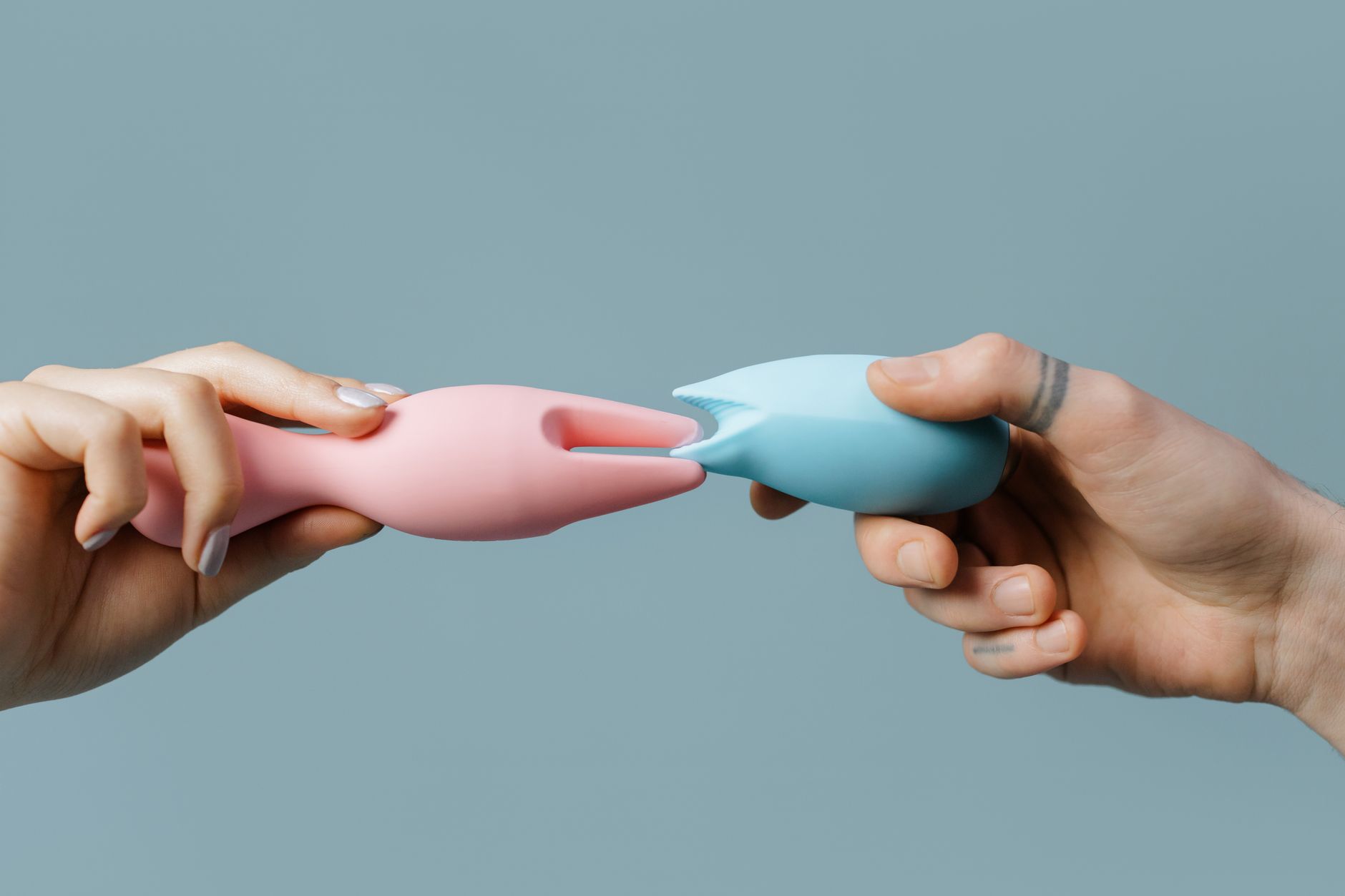
Clitoral vibrators feel like one more thing you've probably already tried. Lemon clitoral vibrators, specifically, work differently than traditional vibration because they use suction rather than oscillation. That's not just a sales distinction. It's neurologically distinct.
Vibration stimulates via repetitive friction. Suction engages deeper nerve clusters through gentle pressure and release. If your body has habituated to vibration, suction reads as novelty. Your nervous system pays attention again. That first session often feels different not because the sensation is stronger, but because it's unfamiliar enough to break the autopilot.
When you introduce a lemon clitoral vibrator into a long-term sexual routine, you're not replacing your partner. You're introducing a third stimulus that neither of you has adapted to yet. That novelty itself is the rewaking mechanism.
Building a new pattern (this is the hard part)
Here's what doesn't work: buying a device, using it twice, and expecting everything to change. Sensation doesn't rewake from novelty alone. It rewakes from sustained, intentional variety.
Start with rhythm surprises. If every session has followed the same speed progression, reverse it. Start at high intensity and dial down. Or build to a peak, back off, and rebuild. Your nervous system learns patterns. Break the pattern deliberately.
Introduce the lemon vibrator not as a solution to a "problem" but as an exploration you're both curious about. This reframes it mentally. Instead of "my sensation is numb," you're thinking "we're trying something new together." That shift in narrative lights up different brain regions.
Use it on different days of your cycle. Use it at different times of day. Use it with different lighting, different positions, different dialogue. Predictability is the enemy. Surprise is the weapon.
The conversation you need to have first
This is where most couples stumble. Introducing a device without context feels like an accusation. "Your touch isn't enough," is what they hear, even if that's not what you mean.
The actual conversation should sound like this: "I've been thinking about our intimacy, and I realize I've gotten a bit on autopilot. I want to feel more engaged. I want us to experiment together with something neither of us has done before."
Notice what that does. It centers your own desire, not their inadequacy. It names autopilot as the issue, not them. And it invites them into the novelty rather than positioning the device as a replacement.
If your partner feels threatened by a device, that's worth exploring separately from the device itself. But most often, the resistance melts when they realize this isn't about their performance. It's about both of you waking up.
Practical patterns that work
Try this structure for the first few weeks:
Week one. Explore it solo first. Thirty minutes, no goal, just sensation mapping. Notice where suction feels intense. Where it feels subtle. What speed engages you most. What feels pleasurable versus pressuring. This baseline matters because you're relearning your own responsiveness without an audience.
Week two. Show your partner what you learned. Not performatively. But genuinely. "I discovered that pattern three with lower intensity feels incredible," or "This angle hits differently." Let them watch you use it. Let them try it on you. This is data gathering, not pressure.
Week three. Integrate it into partnered sex without it replacing their touch. Maybe they use it while you're kissing them. Or you use it while they're inside you. Or you use it on yourself while they're inside you and you're both watching. The integration matters more than the device itself.
Beyond that. Keep rotating what's new. Different positions. Different timing. Different collaboration. The clitoral vibrator's job was to break the spell. But what keeps sensation awake is continued variety.
What happens when sensation rewakes
Organismically, you might notice orgasms returning faster. Or feeling more intense. Or arriving from angles you'd forgotten were possible. But the bigger shift is mental. You're present again. Your attention is in your body instead of the grocery list.
Partners often notice something different too. When you're more engaged, they feel less responsible for "making it happen." The pressure lightens. Sex stops being a task and starts being collaborative exploration.
One thing worth naming: sometimes the rewaking takes longer than a few weeks. If your routine has been the same for years, your nervous system is deeply habituated. Be patient. The suction stimulation is working. But sustained novelty compounds. The shifts you're looking for often come in week four, five, or six when the body has had time to trust that this pattern really is different.
When sensation might stay flat (and what that means)
If you've introduced novelty, used a lemon clitoral vibrator consistently, and sensation still feels muted, something else might be at play. Stress, hormonal shifts, medication side effects, or relationship tension all suppress arousal. A device won't fix those.
That's when the conversation widens. Is stress eating into your availability? Are there unresolved feelings between you? Is your body telling you something about the relationship itself? Those questions are bigger than any tool can address, and they deserve direct attention.
Sometimes numbness is a message. Not always. But it's worth listening.
FAQ: Rewaking sensation after years together
What if my partner feels threatened by me using a toy? Start with curiosity instead of introduction. Ask them what they imagine, what worries them. Often the threat isn't the device. It's a fear that you're leaving the relationship, or that they're not enough. Naming that fear directly usually dissolves the threat. Then you can talk about novelty as something you're doing together, not to each other.
Can clitoral suction really feel different than vibration? Absolutely. Suction engages deeper nerve clusters in a way vibration doesn't. If your body has adapted to vibration, suction reads as genuinely novel. That novelty is part of why it works to reset sensation that's gone flat from routine.
How long does it take for numbness to lift? For most couples, sustained variety over three to six weeks creates noticeable shifts. But your nervous system will start responding to novelty faster than that. You might feel the reawakening in the second or third session, even if the full depth of sensation takes longer to return.
Should I use a lemon vibrator alone or with my partner? Both. Solo exploration helps you understand your own responsiveness without performance pressure. Partnered use helps them understand what brings you pleasure and deepens the collaborative aspect of your intimacy. They're different data sets.
What if we've been using the same device for years? Rotate devices. If you've had a basic vibrator for five years, adding a clitoral suction device creates novelty. In another few years, you might rotate back or add something else. The point isn't the object. It's the variety.
Can sensation numbness mean something is wrong with our relationship? Sometimes. But often it's just neurobiological adaptation to predictability. Try introducing novelty first. If sensation rewakes and your connection improves, the relationship was fine. It was just stuck. If sensation stays flat despite novelty, deeper relationship work might be needed. Trust that your body will tell you which one it is.
Start small, stay consistent, expect resistance
The biggest shift after years of autopilot isn't the device itself. It's the permission you're giving both of you to approach pleasure differently. To not know what's coming. To pay attention again. To be surprised.
If sensation has gone numb, your body isn't broken. It's just waiting for something to feel new. A lemon clitoral vibrator can be that break in the pattern. But the real work is in the consistency and the variety that follows. Stick with it. Your nervous system will respond.