How to Use Lemon Vibrators When Touch-Averse or Overstimulated
Touch aversion and sensory overload aren't barriers to pleasure. They're signals worth listening to. Here's exactly how lemon vibrators work with your nervous system, not against it.
Touch aversion isn't "broken." It's your nervous system saying no to something. Maybe it's trauma. Maybe it's burnout, depression, or plain exhaustion. Maybe you've been touched too much, asked for too much, or haven't had space to want anything on your own terms. Maybe you're neurodivergent and your sensory load is maxed out. All of those are real.
The problem isn't that you feel this way. The problem is that most advice about pleasure assumes a baseline of comfort with touch that you don't have right now. You get told to "relax" or "try breathing exercises," which is like telling someone with a broken leg to walk it off.
Lemon vibrators work differently because they don't require the same kind of direct, constant skin contact that fingers or traditional toys do.
Here's the mechanism. When you're touch-averse, your nervous system is in a protective state. It treats skin-to-skin contact as a threat, even when logically you know it isn't. Your brain is running a threat-detection algorithm, and it's not interested in your reasoning.
Direct friction from fingers or bullet vibrators compounds this. It's relentless. It doesn't give your nervous system a break. It requires constant pressure and constant feedback, which activates the very alarm bells you're trying to quiet.
The other piece: overstimulation happens when input (visual, sensory, emotional, physical) exceeds your nervous system's capacity to process it. Add vibration plus direct contact plus the cognitive load of "should I be enjoying this?" and you've got a perfect storm.
Lemon vibrators solve this partly because of how they work physically. The suction mechanism creates a different sensation. It's rhythmic, consistent, and you control the pressure completely. More on that in a moment.
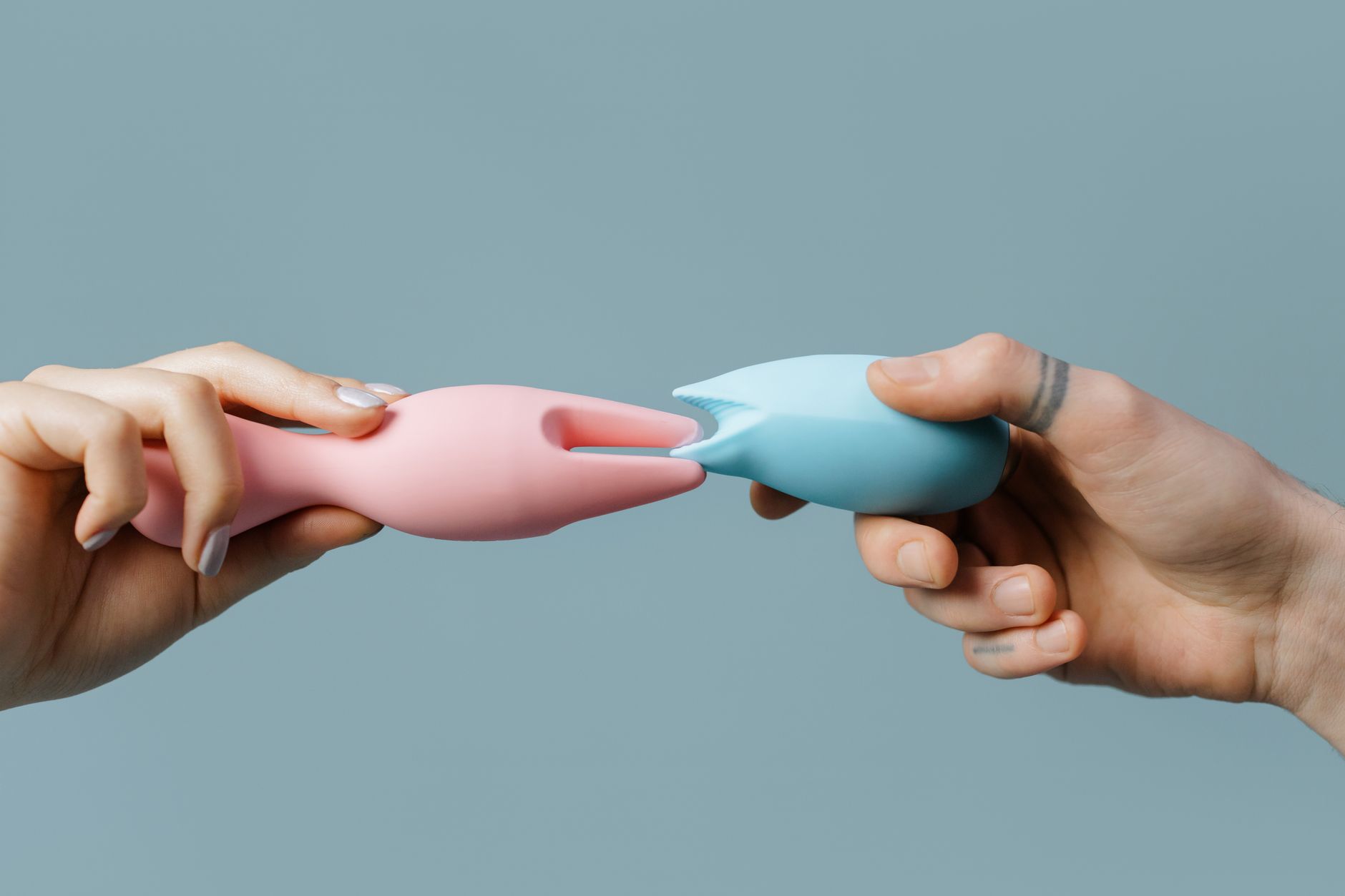
A lemon clitoral vibrator uses gentle suction combined with pulsing. You're not grinding a vibrating surface directly against tissue. Instead, the device creates a soft seal and draws the tissue inward in waves.
Three things this changes:
First, the pressure is distributed. With a bullet or traditional vibrator, all the vibration concentrates in one small area. Suction spreads stimulation over a larger surface, which means less intensity on any single point. Your nervous system processes this as less threatening.
Second, you have a clear off-switch. The moment suction breaks, sensation stops. No lingering vibration, no aftershock. You're in control of the boundary, which is huge when your nervous system is already in protection mode. Control itself is calming.
Third, the pattern is predictable. Randomness and surprise amp up threat responses. Suction pulses in a steady rhythm. Your brain can anticipate it, which is literally the opposite of overstimulation.
If you're touch-averse or recovering from overstimulation, you don't rebuild sensation by pushing through. You rebuild it by respecting your system's actual limits.
Phase one is exploration without expectation. Power on a lemon vibrator at the lowest setting and don't aim for anything. Let it sit near you. Notice the sound. Notice the sensation at a distance (yes, you can feel vibration without direct contact). Spend two to five minutes with this. That's it. Do this for several days until your nervous system stops perceiving it as an intruder.
Phase two is micro-contact. Use the device through underwear or over clothing. Apply it for five to ten seconds at a time, then pause. The pause is as important as the contact. You're teaching your nervous system that input will stop, that you're safe to stay present. Repeat the contact and pause sequence five or six times, then stop while you're still comfortable.
Phase three is skin contact, still with breaks. Apply the device directly to the skin for ten to fifteen seconds, then lift it away completely. Rest for thirty seconds. Repeat. You're never going for an orgasm here. You're proving to your nervous system that direct contact doesn't mean danger.
Many people stay in phases one or two for weeks or even months. That's not failure. That's respecting what your body is telling you.
When you're touch-averse, context is everything. Time of day, energy levels, sensory environment, who's in the house, whether you're hungry or exhausted. A lemon vibrator won't help if you're already at sensory capacity.
Start when you're genuinely rested and when you have privacy and quiet. Not "I have thirty minutes before my partner gets home." Not "I'm tired but I should do this." Actual rest.
Dim lights. Phone on silent. If sound sensitivity is part of your profile, know that lemon vibrators run quieter than most traditional vibrators, which helps. But you can also use white noise or music you actually like if external sound heightens your threat response.
Some people find it helpful to do this exploration in bed, with blankets around them, in a nest-like setup that signals safety to the body. Some do it sitting down with feet on the floor, which grounds the nervous system differently. Pay attention to what your body asks for.
And here's the thing nobody says: you can stop. Mid-session, no explanation needed. The ability to stop without guilt or pressure is itself therapeutic.
Touch aversion often shows up alongside low or absent desire. These aren't the same thing. You might rebuild your ability to tolerate sensation and still not feel turned on, and both of those are okay.
The goal isn't "use a lemon vibrator and suddenly want sex." The goal is "use a lemon vibrator and prove to yourself that touch doesn't have to mean threat." That's the foundation. Desire may or may not rebuild on top of it, and that's information worth having.
If you're working with a partner, this distinction matters even more. Explain it this way: I'm not broken. I'm recovering my relationship with sensation. Your patience with my pace is what helps me do that. That's radically different from "I need to fix myself so I can give you what you want."
Overstimulation creeps up on you. You're fine, you're fine, and then suddenly everything feels wrong. Your skin crawls. You want the device off immediately. You might feel irritable or panicked.
Stop. Full stop. Remove the device, cover up if that helps, drink water, ground yourself. No apologies, no "I should push through."
The next time, notice the moment right before that overwhelm hit. Was it how long you were using it? Did sensation intensify? Did you get distracted and lose track of time? That data point tells you where to dial back.
Lower setting. Shorter sessions. More breaks between. Different time of day. Less sensory input around you. Adjust one variable at a time so you know what actually helped.
This isn't setback. This is your nervous system and a lemon clitoral vibrator having a conversation. You're learning to listen.
Touch aversion often came from somewhere. Trauma, burnout, being touched without consent, being asked for more than you had to give. You don't rebuild sensation the same way you'd, say, retrain a muscle. You rebuild it alongside actual safety and genuine agency.
Using a lemon vibrator is part of that, but it's not the whole thing. You get to decide exactly when, how often, which settings, and whether to stop. You control all of it. That agency is the thing your nervous system needs.
Pair that with how to use lemon vibrators when anxiety affects your arousal for specific anxiety management alongside sensation work. If there's a trauma history, therapy alongside this physical exploration accelerates healing more than either alone.
And if you're in a relationship, your partner's willingness to respect your pace and celebrate micro-progress matters. The nervous system notices when people mean what they say.
Yes. The suction sensation is different enough from traditional touch that it often feels less threatening, even to people whose entire history with touch has been complicated. Start at the lowest setting and give yourself permission to stop whenever. Sensation literacy builds over time.
Completely. The lowest settings on lemon vibrators are gentler than many people expect. You're not sacrificing stimulation for safety. You're matching the device to your nervous system's actual capacity in this moment.
There's no timeline. Some people move through the phases in weeks. Others take months or longer. Your pace is the right pace. The goal isn't speed. It's genuine, sustainable comfort.
Take a break. Usually a few days to a week is enough for your nervous system to recalibrate. When you return, start lower and slower than you did before. Don't treat overstimulation as a sign the device doesn't work for you. Treat it as information about your current capacity.
That's not how nervous systems work. You can't willpower your way out of a threat response. If someone is pressuring you to move faster than feels safe, that pressure is actually making the aversion deeper. A partner who respects your pace is part of the actual healing.
They can be part of a healing toolkit, but they're not a substitute for trauma-informed therapy. Used alongside proper support, they can help you rebuild a sense of agency and safety in your own body. Used alone, they're just a tool. The relationship with a professional matters more.
Touch aversion is not a character flaw or a sign you're broken. Your nervous system is protecting you. That's actually what it's supposed to do. The goal is working with that protection, not against it, until touch feels like choice again instead of threat.
Lemon vibrators help because they give you control, predictability, and a sensation different enough from traditional touch that it often sidesteps the threat response entirely. But the real work is you learning to trust your own body again. The device is just the medium.
If you want to talk through what might work best for your specific situation, reach out. This isn't something you figure out alone.