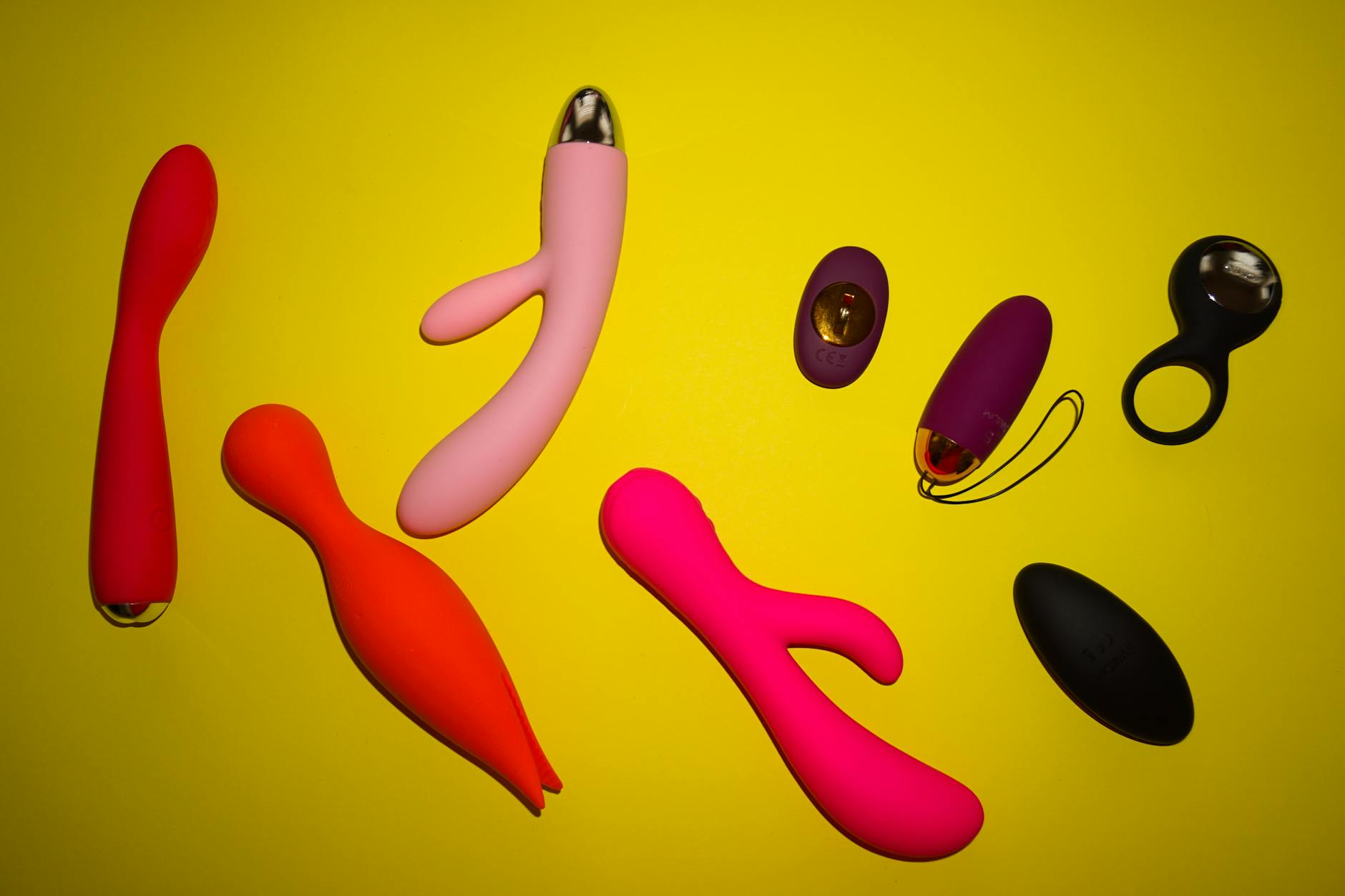
Here's the thing about low libido
It's not usually about your body being broken. Low desire is almost always a messenger. Something upstream is blocking the signal: stress, relationship disconnection, burnout, medication, hormonal shifts, or just the grind of managing life. Your body isn't refusing pleasure. It's telling you it doesn't have bandwidth for pleasure right now.
The problem is that most advice around low libido treats it like a motivation problem. "Just make time for sex." "Schedule intimacy." "Try some new positions." These recommendations assume the desire is there and just dormant. But if the desire truly isn't there, showing up to something you don't want doesn't fix the block. It reinforces the feeling that sex is one more obligation.
That's why lemon clitoral vibrators work differently for low desire than they do for people who want more intensity or variety. They're not trying to make you want sex more. They're trying to remind your body what pleasure actually feels like when everything else gets quiet.
Why vibrators work when desire is absent
This is counterintuitive but backed by what I see in my practice constantly. When desire is low, the last thing you need is another pressure to perform. What you need is proof that your body can still feel something without effort.
A lemon vibrator (or any quality clitoral vibrator) bypasses a lot of the psychological scaffolding that desire needs. You don't have to want it. You don't have to be in the mood. You don't have to coordinate with a partner or worry about their experience. You just have to be willing to sit with sensation for fifteen minutes.
Lemon adult toys, specifically suction-style vibrators like the Lem, work at the level of nerve endings. They're not asking your brain for permission. They're directly stimulating the clitoris in a way that's hard to ignore, even when your motivation is flatlined.
What often happens is that the body responds physically before the mind catches up emotionally. You start using a lemon vibrator with zero enthusiasm, and halfway through, something shifts. Not always an orgasm. Sometimes just: "Oh, that feels good." That small experience is the beginning of desire returning. You're not forcing it. You're just letting your body remember.
The three-layer approach to restarting arousal
Layer One: Remove the expectation of outcome. You're not using this toy to have an orgasm. You're not even using it to "get in the mood." You're using it to check whether your body can still feel pleasure at all. That's it. That's the only goal.
Layer Two: Treat it like a body check-in, not a sexual activity. Schedule it for a time when you're alone, rested, and have zero other demands. Not at the end of the day when you're depleted. Not right before you need to do something else. Give yourself twenty minutes in the afternoon if that's available, or Sunday morning, or whenever you have actual space.
Layer Three: Stay curious about the sensations, not the narrative. Low libido often comes with shame or frustration. "Why can't I want this?" "What's wrong with me?" The moment those thoughts show up, the nervous system tightens. Lemon sexual toys are easiest to use when you're just noticing: Does this feel good? Does this feel boring? Does this feel sensitive? Am I enjoying this, or am I forcing it? There are no wrong answers.
When to use different settings on a lemon vibrator
If low desire is new for you, start on the lowest setting. Your nervous system may be more sensitive to stimulation when you're stressed or depleted. A high-intensity vibration can actually feel overwhelming instead of pleasurable.
Many people assume the answer to low desire is to make stimulation stronger. The opposite is often true. A gentle, consistent vibration gives your body room to respond without feeling invaded. The Lem vibrator's suction design is particularly useful here because the stimulation is less jarring than traditional vibrations.
After a few sessions, you can experiment with increasing intensity if you want to. But the goal in the beginning is just noticing that sensation is possible, not chasing the biggest feeling.
If you do use a Lemon Vibrator and find it's not clicking, don't assume that means your desire problem is deeper. Sometimes the wrong tool just isn't the right tool for right now. Different people respond to different types of stimulation. That's normal, not a sign of brokenness.
What's actually happening in your body
When desire is low, the nervous system is often in a protective state. Stress keeps the body in sympathetic mode (fight, flight, freeze). Pleasure requires the parasympathetic nervous system to activate (rest and digest). This isn't a character flaw. It's how mammalian neurobiology works.
Using a lemon clitoral vibrator in a safe, pressure-free environment can help shift the nervous system. The focused, pleasurable sensation tells your brain that this moment is safe. You don't have to perform. You don't have to want anything. You just have to feel what's there.
Over time, as the nervous system learns that pleasure is available without strings attached, desire often returns naturally. Not immediately. Not always dramatically. But gradually, the signal gets stronger.
This is also why lemon vibrators are particularly useful if your low libido is connected to relationship stress or disconnection. They give you the experience of pleasure on your own terms, separate from your partner's needs or presence. That separation can actually help relationships because you're not trying to want sex for someone else. You're relearning what it feels like to want it for yourself.
Practical tips for actually following through
Low motivation shows up in everything, not just sex. It's easy to have good intentions and never actually do this. Here are the things that help my clients actually follow through:
Set a calendar reminder. Seriously. Treat it like a doctor's appointment. "Sunday at 2 p.m., twenty minutes with the lemon vibrator." Once it's on the calendar, you're more likely to do it.
Keep the toy accessible. Don't store it in a drawer you never open. Keep it somewhere you'll see it and remember.
Don't combine it with other tasks. This isn't something you do while scrolling or watching TV. The whole point is focused sensation. If you need distraction to feel okay, that's useful information. It means something else is going on (anxiety, dissociation, trauma history). That's worth exploring separately, maybe with a therapist.
If nothing happens after a few sessions, don't quit. Desire doesn't always come back in one week. But if you're noticing any small shift in sensation or interest, keep going. That's the signal working.
If you have a partner, you don't have to tell them what you're doing unless you want to. This can be your own private reconnection with your body. Later, if desire increases and you want to include them, that's a separate conversation.
When low libido needs more than a vibrator
Lemon sexual toys are a useful tool. They're not a substitute for addressing what's actually dampening your desire.
If your low libido is connected to depression, anxiety, burnout, or major life stress, that needs attention too. Therapy, lifestyle changes, possibly medication. If it's connected to your relationship, couples therapy. If it's hormonal, a doctor who actually listens.
A vibrator can help your body remember pleasure. But it can't fix burnout or repair a fractured relationship or regulate your nervous system if you're chronically stressed.
What it can do is give you one small space where pleasure is possible, pressure-free. And sometimes that's enough to start shifting the larger pattern.
The permission you actually need
Low desire comes with a lot of guilt. "I should want this more." "My partner needs this from me." "Something is wrong with me." You spend energy on the guilt instead of on just sitting with what's true right now.
Here's what I know from decades of working with couples: people don't heal faster by pushing through. They heal when they get honest about where they actually are, and then they make one small choice from that honest place.
Using a lemon vibrator when you have low desire is one of those small choices. It's not fixing anything. It's not forcing yourself. It's just: "My desire is low right now. My body is tired. But maybe I can spend twenty minutes noticing what's still here."
That's where desire comes back from. Not from obligation or guilt or a new toy that's supposed to fix everything. But from one small moment where you gave your body permission to feel something just for itself.
People also ask
Can a lemon vibrator help if I've had zero sex drive for months?
A vibrator alone probably won't restore months of flatlined desire. But it can be part of the process. If your desire has been gone for months, that's usually a sign something bigger is happening: depression, relationship problems, medication side effects, or a major life stress. Get that looked at. In the meantime, a lemon clitoral vibrator can help you maintain some physical connection to pleasure so that when the underlying issue shifts, desire has something to return to.
Is it normal to feel nothing even with a vibrator?
Completely normal. Low libido often comes with some numbness or disconnection from sensation. Using a vibrator might feel clinical or frustrating at first. The goal isn't to feel amazing immediately. It's just to notice: "I can feel this vibration." That's enough. After a few sessions, if you're still feeling nothing, check in with yourself about what else might be going on. Sometimes numbness is a sign you need professional support.
Should I tell my partner I'm using a lemon vibrator for low desire?
Not necessarily. This is your private reconnection with your body. You don't owe your partner a detailed account of your solo exploration. If you feel like sharing, great. If you'd rather keep it private, that's also fine. What matters is that you're doing something for yourself. Later, if you want to include your partner or talk about what you're discovering, you can have that conversation from a place of your own clarity.
How long does it usually take for desire to come back?
There's no standard timeline. Sometimes people notice a shift within two to three weeks of regular exploration. Sometimes it takes months. It depends on what's actually causing the low desire. If it's just stress and you're using the vibrator as a way to decompress, it might be faster. If it's connected to deeper relationship issues or trauma, expect it to move more slowly and probably benefit from other support too.
Can I use a lemon vibrator if I'm on medication that affects libido?
Yes. Some medications dampen desire or make orgasm harder. A vibrator doesn't fight the medication's effects. What it does is give you a way to experience pleasure despite them. Some people find that the focused, consistent stimulation from a lemon sexual toy works better than partnered sex when medications are involved. If the medication's side effect is really distressing, talk to your doctor. Sometimes switching medications or adjusting dosage helps. Sometimes the vibrator becomes a useful part of your sex life regardless.
What if I'm too embarrassed to even buy a lemon vibrator?
I get it. But here's what I know: the shame is usually bigger than the actual thing. Ordering a clitoral vibrator online takes three minutes. It arrives in discreet packaging. No one knows unless you tell them. The embarrassment happens mostly in your head before you do it. After you've ordered it, most people feel relief. You can also ask a trusted friend who's used toys before, or talk to a sex therapist if you need support getting past the shame. The vibrator isn't the problem. The feeling that you don't deserve this is the problem worth looking at.