Let's start with what's actually true
Your body didn't forget. That's the first thing to understand. Whether you've been away from sex for six months, three years, or a decade. The neural pathways for arousal are still there. The clitoral nerve endings are still there. Your capacity for pleasure hasn't evaporated. What's changed is access, context, and maybe trust. And those things can absolutely be rebuilt.
Honestly, returning to pleasure after a gap is one of the most common situations I see in my practice. The reasons vary. A relationship ended. A health crisis interrupted everything. Work and life got overwhelming. Grief, medication, surgery, or just a long stretch of not-rightness. And then one day you realize it's been longer than you thought, and the idea of touching yourself or being touched feels both urgent and completely foreign.
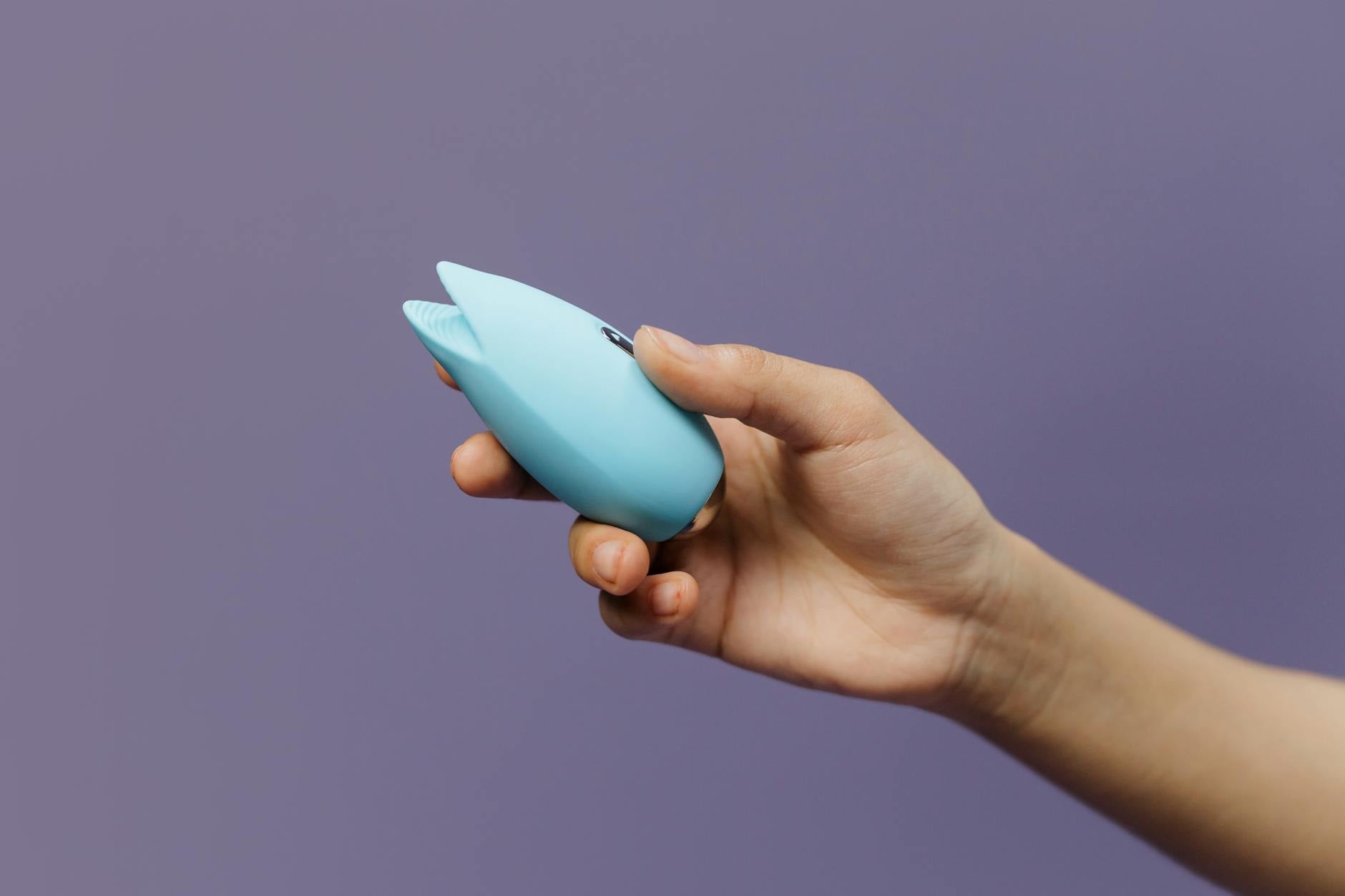
Lemon vibrators are genuinely helpful here. Not because they're magic, but because they're precise, forgiving, and they let you rebuild sensation gradually. This is the part of the story nobody tells you clearly: how to actually come back.
Why the gap changes what you need
When you've been away from sexual touch for a long time, several things shift in your body. Blood flow to genital tissue decreases. Your pelvic floor tightens without regular stimulation. Lubrication patterns change. Most importantly, your nervous system recalibrates. It's used to being calm. Excitement, even the good kind, can feel jarring.
This doesn't mean something's broken. It means you need a slower ramp. A lemon vibrator's consistent, targeted suction works well here because it gives your nervous system something predictable to build on. You're not trying to remember how to have an orgasm. You're reminding your body that arousal is safe.
There's also a psychological piece. If the gap followed a breakup or trauma, your body might associate pleasure with hurt. If it followed illness, your body might associate arousal with pain or fatigue. You're not just retraining sensation. You're resetting the emotional association with your own pleasure.
How to actually start: the three-week rebuild
I recommend thinking of return-to-pleasure in three phases, each about a week.
Week one is exploration without expectation. Charge your Lemon Vibrator. Set aside 15 minutes when you have privacy and won't be interrupted. No goal except to remember what sensation feels like. Start with the device off. Hold it, feel the weight, notice the silicone. Then turn it on at the lowest setting and run it along your inner arm, your neck, your breasts if you want. The point is reintroduction. Your body is learning: this is safe, this feels interesting. No orgasm goal. No performance pressure. If you get bored after two minutes, great. You've done the work.
Repeat this three or four times through the week. Same time, if possible. Routine helps your nervous system know what's coming.
Week two is directional touch. Now bring the device to your outer labia, still at a low setting. Let it stay there. Don't chase sensation. Just be present. You'll feel a gentle stimulation. Your body will start releasing a bit of lubrication naturally. This is your system saying yes. Spend most of your 15 minutes here. Your clitoris will start to wake up. You might feel a little arousal. You might not. Either is completely normal and fine.
Week three is building rhythm. Once you've spent a week with external touch, you can try a pattern. Slow press, release, slow press, release. Or a gentle circle if that feels better. Stay at a low intensity. The goal here is to feel your body responding, to notice when sensation builds, to recognize the early signs of arousal. You might orgasm this week. You might not. What matters is that you're rekindling the connection.
Managing sensory sensitivity when you're restarting
Honestly, a lot of people coming back from a gap find that standard vibrators feel too intense. The clitoral tissue is sensitive in a new way. It's almost like someone turning a light on in a dark room. Too much, too fast.
Lemon vibrators are actually well-designed for this because the suction sensation is gentler than traditional vibration. It's more of a massage than a buzz. But you still need to respect your own pace. Here's what helps:
Start with pattern one. The device has multiple patterns, but the first one is the most subtle. Spend at least a week here before moving to pattern two. Your body isn't being stubborn. It's recalibrating. Every session you use the device, you're training your nervous system to recognize arousal as safe again. That takes repetition.
Keep water-based lube nearby, even though your body will start producing its own lubrication. The extra glide reduces friction and gives your nervous system one less thing to worry about. Less friction means less intensity, which is exactly what you want right now.
If sensation ever feels too intense, stop. Your body is giving you information. Honor it. The reconnection happens over weeks and months, not days. You're not behind. You're exactly on time.
The emotional part nobody talks about
Here's the thing about returning to pleasure after a gap. The body stuff is actually the easier piece. The harder part is the emotional reentry.
You might feel shame. You might feel like you've "lost" something or that you're weird for needing to relearn your own body. You're not. You're human. Bodies change. Contexts change. Returning changes you. That's not a problem. That's just the reality.
You might also feel grief. The person you were before the gap. The relationship, the version of your sexual self, the time itself. Sometimes that needs to be mourned before pleasure can fully return. That's not something a vibrator fixes. But what a vibrator does do is give you a safe, solo way to start rebuilding confidence while you're processing everything else.
Some people find it helpful to journal alongside this. "Week one: felt weird but not bad." "Week two: little bit of lubrication, felt like progress." "Week three: slight arousal, remember what this feels like." There's something grounding about tracking the incremental return. You're not waiting for a magical moment. You're documenting actual progress.
When you're ready to include a partner
If you're returning to sex with someone new or returning to a long-term partner after a gap, the communication needs to happen before the bedroom. Not during. Before.
You might say something like: "I'm getting back into touch with my own body right now. I'm using this tool, and it's helping me remember what I like. I'm not ready for partnered sex yet, but I wanted you to know what's happening so you're not confused." Or if you are heading toward partnered sex, it might be: "My body's been away for a while. I need us to go slower than maybe we used to. Can we start with just touch, no pressure?"
A lot of people worry that their partner will feel rejected or that admitting you need a slower rebuild is some kind of failure. It's not. It's actually the fastest route back to good sex. Because when you skip the rebuild and jump straight to partnered sex before your nervous system is ready, you often end up triggering the freeze response. Your body tenses up. Lubrication stops. Nothing feels good. Then you're back where you started, except now with an emotional layer of "we tried and it didn't work."
Doing the solo work first means you and your partner get to have better sex sooner. That's not selfish. That's strategic.
The things that usually surprise people
One: you often discover you like different things now. The fantasies that worked before might not land. The positions that felt natural might not feel as good. Your preferences have evolved. Some people feel disappointed by this. I see it differently. You get to discover yourself again. That's actually a gift.
Two: sometimes arousal feels different. Faster, or slower, or more concentrated in a different area. Your body isn't broken. It's just different. The sooner you accept that as neutral information instead of a problem, the sooner pleasure returns.
Three: consistency matters more than intensity. Twenty minutes at pattern one, twice a week is more effective than one frantic hour at pattern three. Your nervous system learns through repetition. You're not training for intensity. You're training for recognition.
FAQ
How long does it usually take to feel normal sexual sensation again?
It varies wildly, but most people notice significant change within four to six weeks of consistent practice. That said, "normal" is a weird word here. You're not going back to who you were. You're discovering who you are now. That might take two months. It might take six. The point is you're moving in the right direction.
Is it weird to feel nothing for the first few sessions?
Not weird at all. Incredibly common. Your nervous system is literally learning that touch is happening. Sensation builds over time. If you felt nothing at all after three weeks of consistent practice, that's worth mentioning to a doctor. But for the first week or two? Totally normal. Your body's being cautious. Let it.
Can I use a lemon vibrator with a partner from the start, or should I solo first?
Solo first, if you have the option. You learn what feels good without performance pressure. But if your first experience back is with a partner and a lemon vibrator, that works too. Just make sure the partner knows you're rebuilding, not proving anything. That context matters.
What if I get aroused but can't orgasm?
That's actually progress. Your body is remembering what arousal feels like. Orgasm might come later. Don't chase it. The orgasm is not the point. Reconnection is the point. Trust the process.
Should I be using lube even if my body's producing its own?
Yes. Extra lube is insurance. It reduces friction, which means less intensity, which means your nervous system can relax. Water-based is fine with silicone toys. Apply a little before you start.
How do I know if I'm doing this right?
You're doing it right if you're being consistent, patient with yourself, and not forcing an outcome. You're doing it right if you show up once a week or twice a week without a scoreboard. You're doing it right if you notice small changes. Your body's responding. That's doing it right.
The one thing to remember
Your body is not your enemy here. It's not betraying you or refusing you. It's just asking you to go slowly. To rebuild. To reconnect incrementally. That's not weakness. That's exactly what your nervous system needs in order to feel safe. When you honor that, when you stop pushing for where you "should" be and just show up for where you actually are, pleasure comes back. Not in spite of the gap. But through it. And honestly, it often feels better than before because you've earned it.