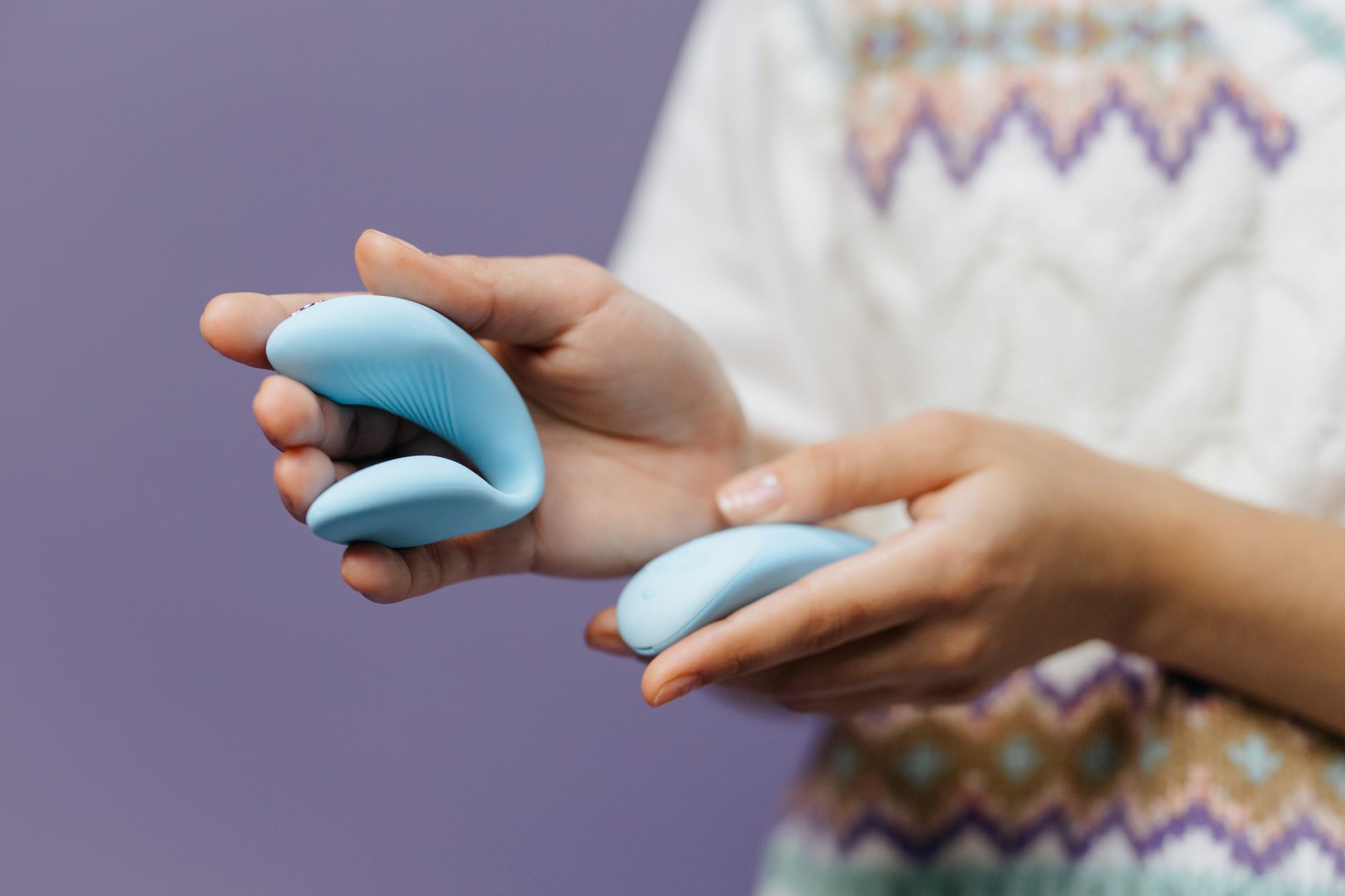
Let's name the real problem first
Your partner thinks toys mean you need them. That lemon vibrators or any clitoral vibrator are a referendum on their skill, their desirability, or your satisfaction with them. They're not. But I get why that story feels true when you're on the receiving end of resistance.
Here's what actually happens in the brain when someone gets threatened by a toy: they conflate tool with replacement. A lemon vibrator becomes evidence of inadequacy instead of what it is: a device that stimulates nerves in a way that fingers, mouths, or bodies simply cannot replicate. It's not better than your partner. It's different. And different is the whole point.
The conversation fails when both of you are operating from fear. Your fear: "If I bring this up, I'll hurt them and things will get worse." Their fear: "If I let them use this, I'm admitting I'm not enough." Fear on both sides shuts everything down. What works is honesty that doesn't require your partner to feel small.
Why resistance shows up (and what it actually means)
Most partner resistance isn't really about the toy. It's about three things tangled together.
Insecurity dressed as protectiveness. "I don't want anything besides me in our sex life" often means "I'm afraid I'm not enough." This one is fixable because it's actually about reassurance, not about the vibrator.
Generational or cultural messaging. Some people grew up hearing that using toys meant you were damaged, unsatisfied, or unfaithful. Those scripts run deep. A partner who heard that toys were shameful or anti-relationship might be reacting to old conditioning, not to you.
Loss of control or knowledge. If your partner has always been the one directing sex, introducing a lemon vibrator means introducing a variable they don't control. That can feel destabilizing. It's not about the toy. It's about the shift in agency.
Understanding which one you're dealing with changes how you approach it.
The conversation that actually works
Don't ask permission. Ask for partnership.
"I want to try something that might help me feel more, and I want you involved in that" lands differently than "Can I use a toy?" One is collaborative. The other puts your partner in a gatekeeping role.
Be specific about why. "Lemon vibrators work differently on my body than anything else can" is useful information. "I just want to" leaves room for them to wonder if it means something's wrong.
Be specific about what you're not saying. "This doesn't mean you're not enough. It means I want to explore something my body responds to, and I want you to be part of it." Say that explicitly. Don't assume they'll read between the lines.
Show them it's not a secret. Keeping toys hidden or using them only when your partner isn't around reinforces the shame narrative that made them resistant in the first place. The opposite of shame is transparency. Talk about it before, during if appropriate, and after.
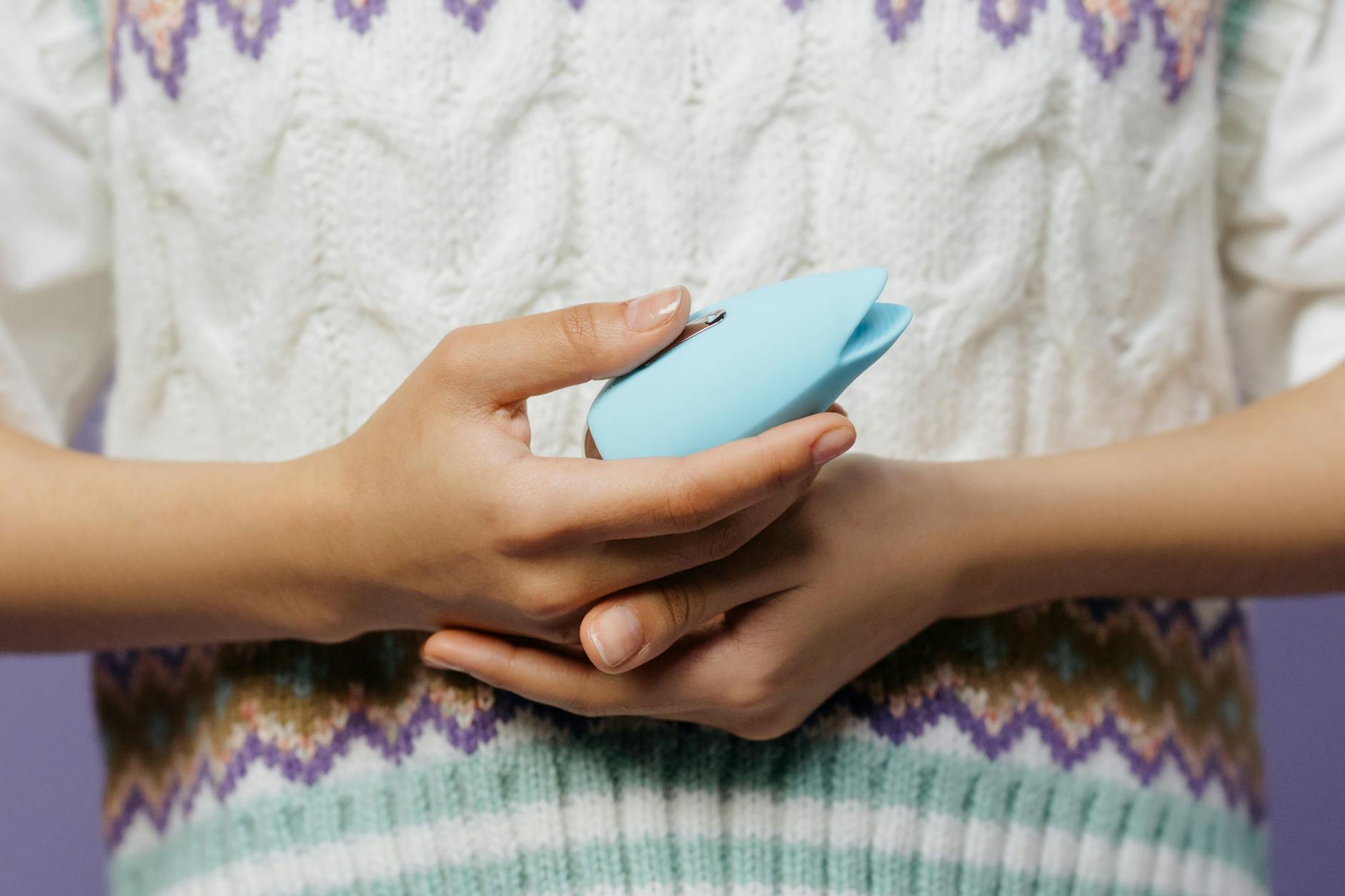
Photo by cottonbro studio on Pexels
How to actually use lemon vibrators together
Start with lower stakes. A lemon clitoral vibrator in the early stages of partnered sex is easier to introduce than using it at the main event. Use it during foreplay, during oral sex, or as a way to warm up before penetration. Make it additive, not central.
Let your partner control the pattern or intensity at first, if they're open to it. This flips the narrative from "You're using this instead of me" to "We're using this together." Handing them the Lem vibrator and letting them figure out the settings feels collaborative in a way that matters.
Talk during sex, not just about it. "That feels amazing," "A little slower," "Try pattern three." Narrating your pleasure gives your partner real-time evidence that the vibrator is amplifying sensation, not replacing them. They're learning your body's response, not being replaced by a toy.
Use it in a way that creates space for them, not distance. If you're using a lemon sucker or clitoral vibrator during partnered sex, position yourself so your partner can still touch you, be inside you, or be present with you. The toy is a third thing, not a wall between you.
Assuming your partner has any hang-ups at all, avoid using lemon vibrators during the most intimate moments early on. Save the deepest moments for when they've seen the vibrator work and felt less threatened. Build context slowly.
What not to do
Don't hide it and hope they don't notice. If they find out you've been using toys without telling them, the shame doubles and so does the resentment. Honesty costs a conversation. Secrets cost trust.
Don't frame it as "my therapist suggested this" or "I read that this helps." That makes it sound clinical and puts your partner in the role of patient-manager instead of lover. Keep it simple: "I want to experience this with you."
Don't compare them to the vibrator. "This feels better than your fingers" is a nuclear option. Of course a device engineered to stimulate one specific nerve cluster feels different. That's not better or worse. It's engineered. Don't weaponize that difference.
Don't assume one bad conversation means it's over. Resistance takes time to soften, especially if your partner has years of internalized messaging about what toys mean. Give them space to come around without pressure. Sometimes the shift happens not in conversation but in experience: they watch you respond, they see you're more relaxed, they feel less replaced than they thought they'd feel.
When resistance is actually something else
If your partner refuses entirely, never softens, or punishes you for bringing it up, that's not about the lemon vibrator anymore. That's about control, shame-based relating, or a fundamental incompatibility in how you each see pleasure and autonomy. Those are relationship issues that a toy can't fix. They need a different kind of conversation or professional help.
If you find yourself hiding toys, lying about your pleasure, or feeling ashamed of your own body's needs, that's also a sign that something deeper is broken. Your pleasure matters. Your autonomy matters. A partner who makes you feel guilty for either needs to hear that, clearly, and if they won't listen, that's information too.
The long game
Most resistance softens once your partner realizes the vibrator is not a threat to them. It takes time. It takes you being relaxed about it, not defensive. It takes them seeing you enjoy yourself, relax into sensation, and then turn back toward them instead of away.
Lemon vibrators aren't an escape from partnership. They're a tool that helps you feel more, which means you have more to give. That's not a hard sell. That's just true. Frame it that way, keep talking, and stay patient. The shift usually comes.
People also ask
Why do some partners feel threatened by lemon vibrators?
Partner resistance usually stems from internalized messaging that toys mean inadequacy, a loss of control, or fear of being replaced. These fears are real even if the threat isn't. Reassurance, transparency, and showing your partner that the vibrator amplifies rather than replaces them helps dissolve that fear over time. The goal is to move from "toy vs. partner" thinking to "toy plus partner" thinking.
How do I bring up using a lemon clitoral vibrator without hurting my partner's feelings?
Frame it as collaboration, not permission-seeking. Say something like: "My body responds really well to clitoral vibration, and I want to explore that with you." Be specific about why, be clear you're not saying they're not enough, and offer them a role in using the vibrator together. The conversation is less about "Can I?" and more about "Let's try this together."
Can we use lemon vibrators during sex if my partner is hesitant?
Yes, but start small. Introduce it during foreplay or early in sex before things get deeper. Let your partner control the intensity at first. Narrate your pleasure out loud so they see it's enhancing, not replacing them. Over time and with consistent positive experiences, hesitation usually softens. You're building evidence with your body that the vibrator is a tool, not a threat.
What if my partner stays resistant no matter what I do?
If resistance never softens after honest conversations, that's information about your relationship, not about the vibrator. Persistent refusal to let a partner explore their own pleasure is about control, not care. That dynamic needs addressing separately, possibly with a couples therapist. Your pleasure and autonomy matter. A partner who makes you feel ashamed for either is showing you something important.
How do I use a lemon sucker or clitoral vibrator in a way that doesn't make my partner feel replaced?
Position yourself so your partner can still touch you, be present, or be inside you. Let them watch. Talk through what you're feeling. Use the vibrator during foreplay or as part of partnered sex rather than as a solo escape. Most importantly, turn back toward them afterward. The vibrator is a tool within your shared intimacy, not an alternative to it.
Is it normal for partners to feel insecure about sex toys?
Completely normal. Many people grew up hearing that toys were shameful, unnatural, or a sign of relationship problems. Even partners without that baggage can feel insecure if they equate the vibrator with their own adequacy. This insecurity usually dissolves with honesty, time, and seeing that using lemon vibrators actually brings you closer together, not farther apart.
The real shift
Resistance to lemon vibrators almost always softens when your partner stops seeing the tool as a threat and starts seeing it as something that helps you feel more alive in your body. That shift usually happens not in conversation but in experience. You relax. You respond. You come back to them. That's the evidence they need.
Your pleasure matters. Your autonomy matters. And a partner who eventually gets that and gets curious instead of defensive? That's when things get interesting. If you're navigating other intimacy shifts with your partner, our guide on foreplay needs might help frame those conversations too.
Ready to explore this with your partner? Start the conversation. Stay curious. Stay patient. Most resistance is just fear wearing a different costume.