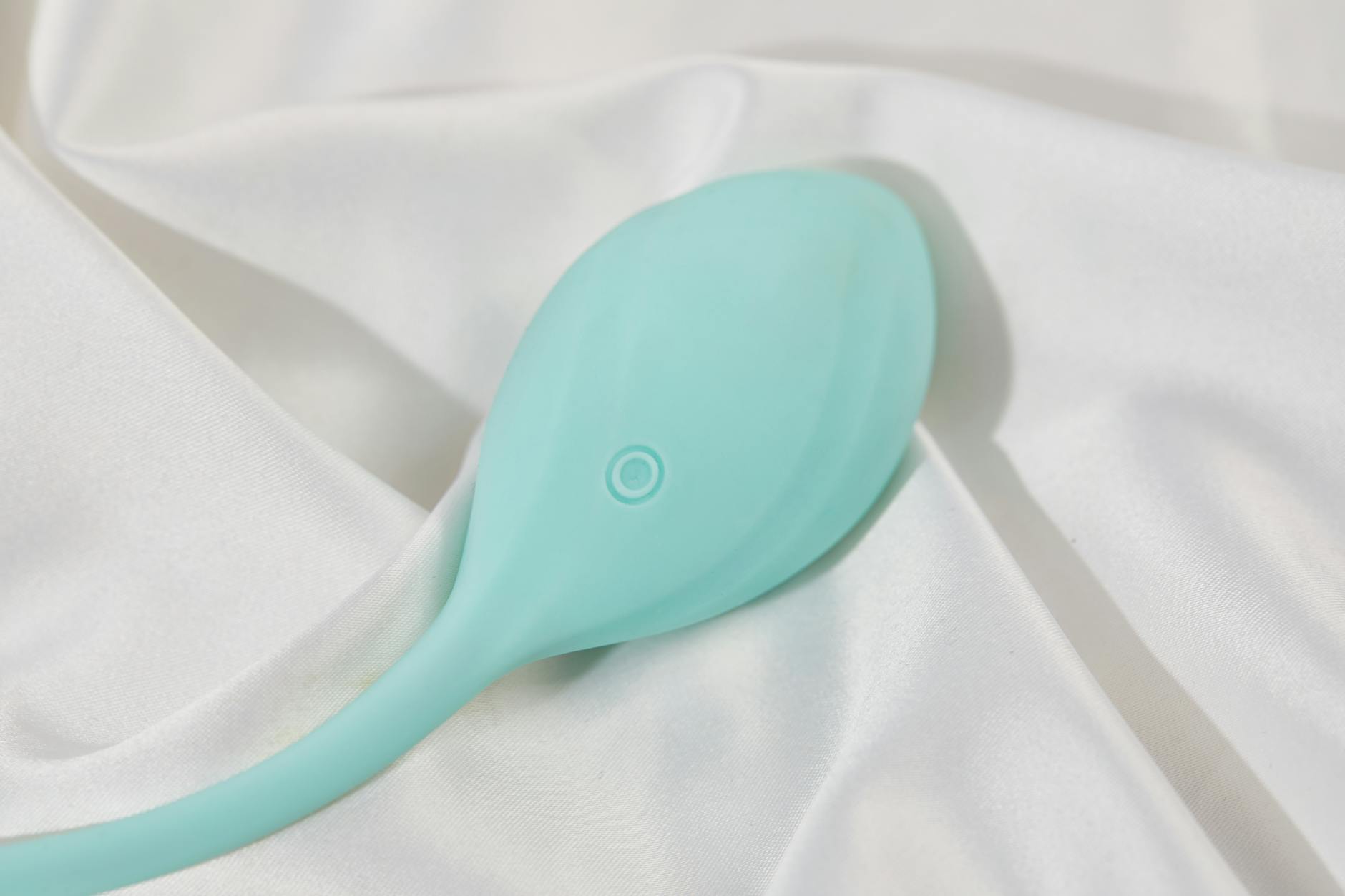
Why Lemon Vibrators Work Better for Couples With Mismatched Desire
When desire doesn't match, lemon clitoral vibrators create a bridge. Here's how adding a suction toy shifts the dynamic so both partners feel satisfied.
Desire mismatch is one of the most common relationship struggles I see in my practice, and also one of the loneliest. One partner wants sex twice a week. The other wants it twice a month. Neither is wrong. Both feel rejected. The lower-desire partner feels pressured. The higher-desire partner feels unwanted. And then sex stops being fun for anyone.
Here's what changes when you introduce a lemon vibrator into this dynamic: it separates desire from obligation. Suddenly, one partner can get what they need without the other partner having to want what they don't want.
Most couples try to solve desire mismatch the wrong way. They compromise on frequency (which satisfies neither), or they blame themselves ("What's wrong with me?"), or they avoid the conversation entirely (which silently poisons the relationship). The real issue is that desire mismatch isn't a frequency problem. It's a permission problem.
When you're the higher-desire partner, you carry shame. You think you're "too much." When you're the lower-desire partner, you carry guilt. You think something is wrong with your body or your love. Neither is true.
What's actually happening is that most couples have learned to make sex a thing you do together, in the same way, at the same time. When desire levels don't match, that model breaks down. You end up choosing between your own pleasure and your partner's comfort. No one wins.
A lemon clitoral vibrator gives the lower-desire partner an exit ramp that doesn't feel like rejection. If your partner comes to you wanting sex and you're genuinely not in the mood, you can suggest something that takes the pressure off both of you: "What if you use the vibrator while I'm here with you?"
This isn't a compromise. It's a different category of solution entirely.
The higher-desire partner gets sexual satisfaction and physical pleasure. The lower-desire partner gets to stay present, to feel connected, and importantly, to not perform desire they don't feel. They can touch their partner, watch, be intimate in the way they're actually capable of in that moment. The pressure lifts.
I've had couples report that this single shift changed their entire relationship. Not because it solved desire mismatch, but because it removed shame from both sides.
Lemon vibrators work particularly well for this because of how suction stimulation operates. Unlike traditional vibrators, which require synchronized arousal to feel good, suction toys create sensation that builds independently. The higher-desire partner can enjoy intense, focused pleasure without needing the lower-desire partner to be equally aroused.
This is crucial. When both partners are using a traditional vibrator together, there's still an expectation of synchronized pleasure. With a lemon clitoral vibrator, the person using it is experiencing something completely independent. That's liberating for everyone.
The lower-desire partner also often finds that watching their partner experience pleasure with a toy actually shifts their own arousal. They're not being asked to perform. They're being invited to witness. That's a different kind of intimacy entirely, and it often creates more genuine connection than obligatory sex ever did.
One partner comes in saying, "I feel guilty because I don't want sex as much as they do." The other comes in saying, "I feel rejected all the time." Six weeks later, after introducing this kind of solution, the conversation changes. "We're having more physical contact," one couple told me. "And it doesn't feel like I'm pressuring anyone. It feels mutual."
Another pattern: the lower-desire partner often becomes more interested in sex once the pressure is off. Not always. But frequently. When you remove the shame and obligation, desire actually has room to grow.
That doesn't happen overnight. It takes genuine communication about what desire mismatch actually means in your relationship, and a willingness to explore solutions that don't fit the standard "sex means this one specific thing" template.
If you're the higher-desire partner, don't lead with the vibrator. Lead with the feeling: "I've been feeling disconnected from you, and I know you don't want sex as much as I do. I don't want to make you feel pressured. But I also don't want to stop wanting you. Can we talk about what that might look like?"
If you're the lower-desire partner, same approach: "I love you, and I know this is hard for you. I've been thinking about ways we could be intimate that don't feel like obligation on either side. Would you be open to exploring that together?"
Then, separately, you can introduce specific tools. A lemon clitoral vibrator isn't a solution to desire mismatch. It's a tool that makes room for mismatched desire to coexist peacefully.
The key is framing it correctly. It's not "I want sex and you don't, so here's a workaround." It's "I want to feel close to you in ways that work for both of us. What if we explored some options?"
Desire mismatch often lives under a layer of shame that has nothing to do with attraction. The higher-desire partner thinks they're abnormal. The lower-desire partner thinks something is broken. Both believe the relationship is failing.
What actually happens in healthy relationships with desire mismatch is that both partners give each other permission. Permission to want what you want. Permission to not want what you don't want. Permission to explore solutions that aren't either-or.
When you introduce something like a lemon clitoral vibrator into that conversation, you're signaling: "Your pleasure matters. And your comfort matters. And we're going to find a way to honor both."
That's what changes the dynamic. Not the toy itself. The permission.
Before you shop or talk to your partner, consider: What am I actually wanting when I want sex? Is it the physical sensation, or the feeling of being wanted, or the release, or the closeness? Different answers point to different solutions.
For the lower-desire partner: What makes me resistant to sex? Is it genuine low desire, or is it the particular kind of sex you've been having, or the way it's been initiated, or something else entirely?
The answers to these questions matter way more than any specific tool.
Over time, couples who introduce solo pleasure into their intimate lives report more genuine connection, not less. Less resentment. More laughter during sex. More actual conversation about what they actually want.
Desire mismatch doesn't disappear. But it stops being a crisis. It becomes just another thing you navigate together, like scheduling or finances or where to spend holidays.
You're not trying to make your desire match. You're creating space for both to exist. And sometimes, a lemon clitoral vibrator is the clearest way to say: "I see you. Your pleasure matters. And you don't have to perform mine."
Not if you frame it correctly. The shift from "I want sex but you don't" to "Let's explore pleasure together in ways that work for us" changes the entire emotional tenor. You're not replacing them. You're expanding the options. The key is genuine conversation before, not surprise introduction.
Yes, consistently. Vulnerability around pleasure is one of the deepest forms of intimacy. When you remove performance anxiety and shame, what's left is genuine connection. Many couples report that watching their partner experience authentic pleasure is more bonding than the performance of synchronized sex ever was.
That's a real concern and worth addressing directly. The conversation might sound like: "I love being with you. This isn't about replacing you. It's about me getting to experience pleasure in a way that feels good, while you stay present in the way that feels good for you. Both can be true."
There's no right answer. Some couples use it occasionally. Others find it becomes part of their regular rhythm. The point isn't frequency. It's removing the pressure from desire mismatch so that sex becomes something you both actually want, not something you negotiate.
It might help you reconnect with your own pleasure, which can sometimes shift desire. But if desire loss is tied to depression, hormonal shifts, medication, or relationship problems beyond frequency mismatch, that needs separate attention. A vibrator is a tool for exploration, not a replacement for addressing underlying issues.
It can be, if used to avoid real conversation. But if it's paired with genuine communication about what desire mismatch actually means for you both, it becomes a bridge to deeper connection. The vibrator itself isn't the solution. Your willingness to talk honestly about desire is.
Desire mismatch is real. It's painful. And it's solvable, but not in the way most couples try. You can't negotiate attraction or force arousal. What you can do is create space for mismatched desire to coexist without shame.
A lemon clitoral vibrator is one tool for creating that space. Not the only tool. But a clear, tangible one that says: "Your pleasure matters. My comfort matters. And we can honor both."
If you're navigating desire mismatch, you're not alone. And the solution isn't to make your partner want what you want. It's to explore what you both actually want, then build a sex life around that honest answer.