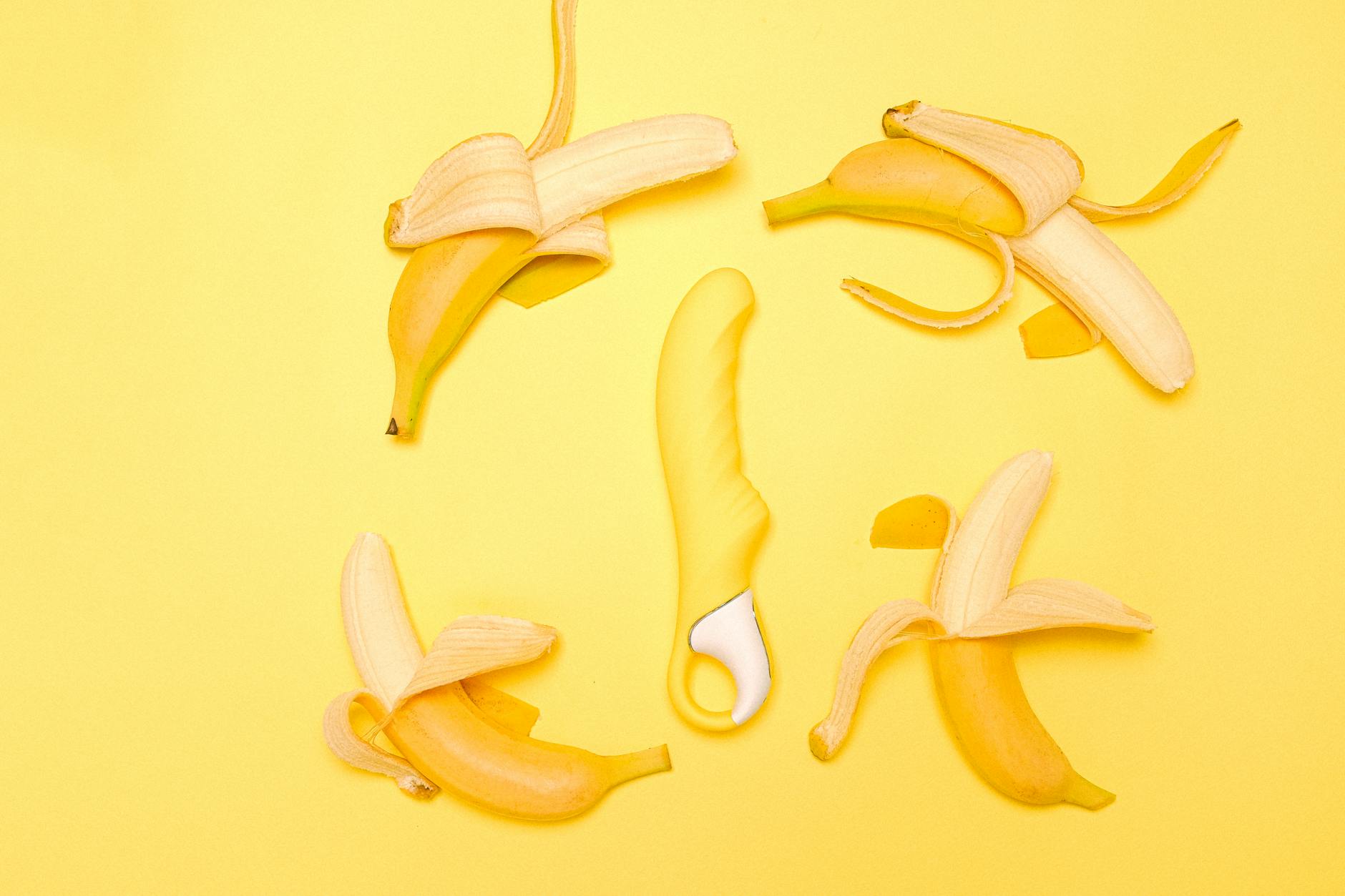
Why Lemon Vibrators Work Better for Sensitive Clits After Menopause
Your clitoris changes texture post-menopause. That's not a problem. It's just the reason why suction-based toys feel better than traditional vibration.
Menopause changes your clitoris. Not your capacity for pleasure. Not your right to it. Just the tissue itself. And once you understand what's actually happening down there, the why suddenly matters way less than the how.
I've worked with hundreds of people navigating this transition, and the pattern is always the same: intense stimulation that used to feel amazing now feels sharp, almost raw. Direct vibration becomes uncomfortable. Sensitivity spikes in ways that feel counterintuitive. You'd think less hormones would mean less feeling, but it's the opposite. The tissue is thinner, more reactive, and traditional vibrators that used to be your go-to suddenly feel too much.
Estrogen doesn't just affect lubrication. It's the primary driver of blood flow to genital tissue, tissue thickness, and how quickly nerves fire in response to stimulation. As estrogen drops post-menopause, the clitoral glans loses that protective layer of tissue. The tissue thins. The nerves are now much closer to the surface.
This means direct vibration feels harsher. A buzzing toy that felt perfect at 45 can feel abrasive at 55. You're not broken. Your tissue is just more responsive, more reactive, and honestly, more sensitive in ways that have nothing to do with desire and everything to do with biology.
The clitoris itself doesn't shrink or stop working. What changes is the buffering. You've essentially lost some of the tissue cushion between the nerves and the surface.
Traditional vibrators work by applying direct buzzing friction to the clitoris. After menopause, that direct mechanical action can feel overwhelming on thinner, more sensitive tissue. It's like the difference between a hand lightly cupping your shoulder versus someone poking it repeatedly with one finger.
Lemon vibrators, and similar suction-based clitoral toys, work by creating a gentle vacuum around the clitoral area. Instead of vibrating against the tissue, they pull blood to the surface and stimulate the nerve endings through suction and gentle pulsing. It's less direct. It's more distributed.
For post-menopausal bodies, this matters enormously. Suction spreads the sensation across a wider area of tissue, so the intensity never feels concentrated or sharp. You get deep, satisfying stimulation without the rawness that direct vibration can trigger.
When you use a traditional vibrator on thinner clitoral tissue, every buzz travels directly into nerves that are now sitting much closer to the surface. That intensity compounds quickly. You turn it up looking for the feeling you remember, but instead you get discomfort. It's a frustrating loop.
A lemon clitoral vibrator distributes sensation differently. The suction action pulls blood into the tissue, which actually helps restore some of that lost cushioning temporarily. It engorges the clitoris slightly, which means more tissue between the nerves and the surface again. That's not magic. That's physiology working in your favor.
The pulsing pattern in a device like the Lem also tends to mimic natural arousal patterns better than straight vibration. Your body recognizes it as more like partner stimulation and less like a power drill. Your nervous system relaxes into it instead of bracing against it.
Here's something most guides won't tell you: intensity means something completely different on post-menopausal tissue than it did before.
On Settings 1-2, a lemon vibrator is often stronger than Setting 4-5 on a traditional vibrator would feel. Because suction distributes the sensation, even low settings deliver substantial stimulation. For someone coming from traditional vibrators, this is usually surprising in a good way.
Your best approach post-menopause is to start at Settings 1-3 on a lemon vibrator and build from there. Many people find their sweet spot lands between Settings 3-5 and never needs to go higher. The pattern of the suction pulse matters more than raw power.
With traditional vibrators, you might have chased intensity to feel anything. With suction, gentler feels better because the sensation is already optimally distributed.
I want to separate two conversations that often blur together.
One conversation is about your body changing. That's real, measurable, and fixable. The tissue is thinner. Suction works better. Use more lube. Plan longer foreplay. This is mechanics.
The other conversation is about what menopause means to you emotionally. Maybe you're grieving the body you had. Maybe you're relieved to leave fertility behind. Maybe you're angry that nobody explained this. Maybe it's all of those things at once.
The mistake I see most often is treating a tissue change like an identity shift. Your clitoris isn't less capable. It's not less deserving of pleasure. It's just working with different mechanics now. And lemon vibrators were basically designed for this exact scenario.
You're a candidate for switching to a lemon clitoral vibrator if any of this sounds familiar:
Traditional vibrators feel too intense or scratchy despite lowering the setting. You need longer warm-up and more foreplay than you used to. Clitoral stimulation feels sharp instead of pleasurable. You're using more lubrication but still feeling discomfort. You've been avoiding sex because the sensation feels unpredictable.
You don't need to be post-menopausal to benefit from suction toys. But if you are, and your previous toys are collecting dust, a lemon vibrator is worth trying. Many people report that this single switch restores pleasure that felt lost.
If you've only used traditional vibrators, a lemon vibrator feels weird at first. That's normal. The sensation is so different that your brain sometimes takes a few sessions to register it as sexual rather than strange.
Start alone. Use it on Setting 1 or 2. Let it run for a few minutes before you expect anything. Get curious about the feeling rather than chasing an orgasm. Many people find that once they stop treating the suction as "weird" and start treating it as different, the pleasure clicks into place.
Water-based lube still applies here. Even though suction toys work differently than traditional vibrators, thinner post-menopausal tissue still benefits from additional lubrication.
Consider also reading up on how lemon vibrators compare to other clitoral toys so you're making an informed choice rather than a desperate one.
Tissue changes, desire doesn't. Sensation shifts, pleasure doesn't disappear. And the sex you have post-menopause, armed with knowledge and the right tools, is often more satisfying than what came before.
I've worked with countless people who grieved their pre-menopause bodies and then discovered that working with their post-menopause bodies actually opened doors that were closed before. Less distraction from hormonal cycling. More permission to prioritize your own pleasure. Better tools that work with your body instead of against it.
A lemon vibrator isn't a consolation prize for bodies that have changed. It's a tool designed for exactly the kind of sensitivity and tissue architecture you have now. That's not settling. That's alignment.
Absolutely. Lemon vibrators work brilliantly for anyone with a sensitive clitoris, regardless of hormone status. Some people just naturally have more sensitive tissue. Suction toys feel better than traditional vibration for a lot of people who are nowhere near menopause. The device doesn't care about your hormones. It cares about tissue sensitivity and preference.
It'll feel different, not necessarily less intense. Because suction distributes sensation differently, the intensity isn't concentrated in one spot. Many people who switch from high-power traditional vibrators find that a mid-range setting on a lemon vibrator actually delivers the sensation they were chasing at maximum intensity on their old toy. Your nervous system processes suction differently than direct vibration.
Completely normal. Thinner tissue means nerves sitting closer to the surface. What feels like hypersensitivity is usually just your tissue reacting more directly to stimulation. It's not a sign of damage or dysfunction. It's a sign that your stimulation approach needs to change. Most people find that switching to suction-based toys resolves that sharp feeling entirely.
As much as feels comfortable. Some people use a full dime-sized amount. Others use just enough to reduce friction. The goal isn't to create a seal for the suction. It's to reduce any potential irritation on thinner tissue. Water-based lube works best because it won't degrade silicone toys. Reapply as needed during longer sessions.
Yes. Pelvic floor tightness restricts blood flow and can make tissue feel more reactive and less resilient. Post-menopausal bodies often experience natural pelvic floor tension as estrogen drops. Learning to relax your pelvic floor, through practices like deep breathing and sometimes pelvic floor physical therapy, can actually reduce clitoral sensitivity and improve pleasure overall. It's worth exploring alongside switching to lemon vibrators.
If pain shows up during or after sex, it's worth mentioning to your gynecologist, especially if changing tools and approach doesn't help. Genitourinary syndrome of menopause is real and treatable. But sharp sensitivity that improves with the right toy and more foreplay isn't usually a medical issue. It's a normal tissue change that responds really well to adjusted technique and better tools.
Your body post-menopause isn't broken. It's just different. And different isn't code for worse. Lemon vibrators work better for sensitive post-menopausal tissue because they were built for this exact situation. Suction distributes sensation in ways that feel generous and deep rather than sharp and concentrated. Your pleasure is still fully available to you. You just get to reach it differently now.
If you want to explore what's possible in this next chapter, start with a conversation at /contact about what tools and approaches might work best for your body.