Let's start with what you probably already know: pain ruins everything
When sex hurts, your brain stops thinking about pleasure and starts thinking about protection. That's not a flaw in your wiring. That's your body doing its job. But here's what nobody tells you: pain during sex doesn't mean you're sexually broken, and it doesn't mean pleasure is off the table permanently.
The tricky part is that pain can come from a dozen different places. Pelvic floor tension. Vaginal atrophy. Endometriosis. Tension from stress or past trauma. Medication side effects. Each one needs a slightly different approach. What lemon vibrators do beautifully is let you work around the pain while you figure out what's actually causing it.
Why suction-based stimulation changes the game for painful sex
Most vibrators work through direct vibration against tissue. When you're already dealing with pain or sensitivity, that kind of direct contact can feel overwhelming or trigger discomfort. Clitoral suction devices like lemon vibrators work differently. They use gentle pressure and rhythmic suction instead of high-frequency vibration, which means less direct mechanical stress on already-tender tissue.
Here's what happens physiologically: suction stimulates the clitoris without requiring penetration or intense friction. For people with pain around entry or surface sensitivity, this is huge. You get arousal and pleasure activation without aggravating the area that hurts. It's not a workaround. It's genuinely a different pathway to sensation.
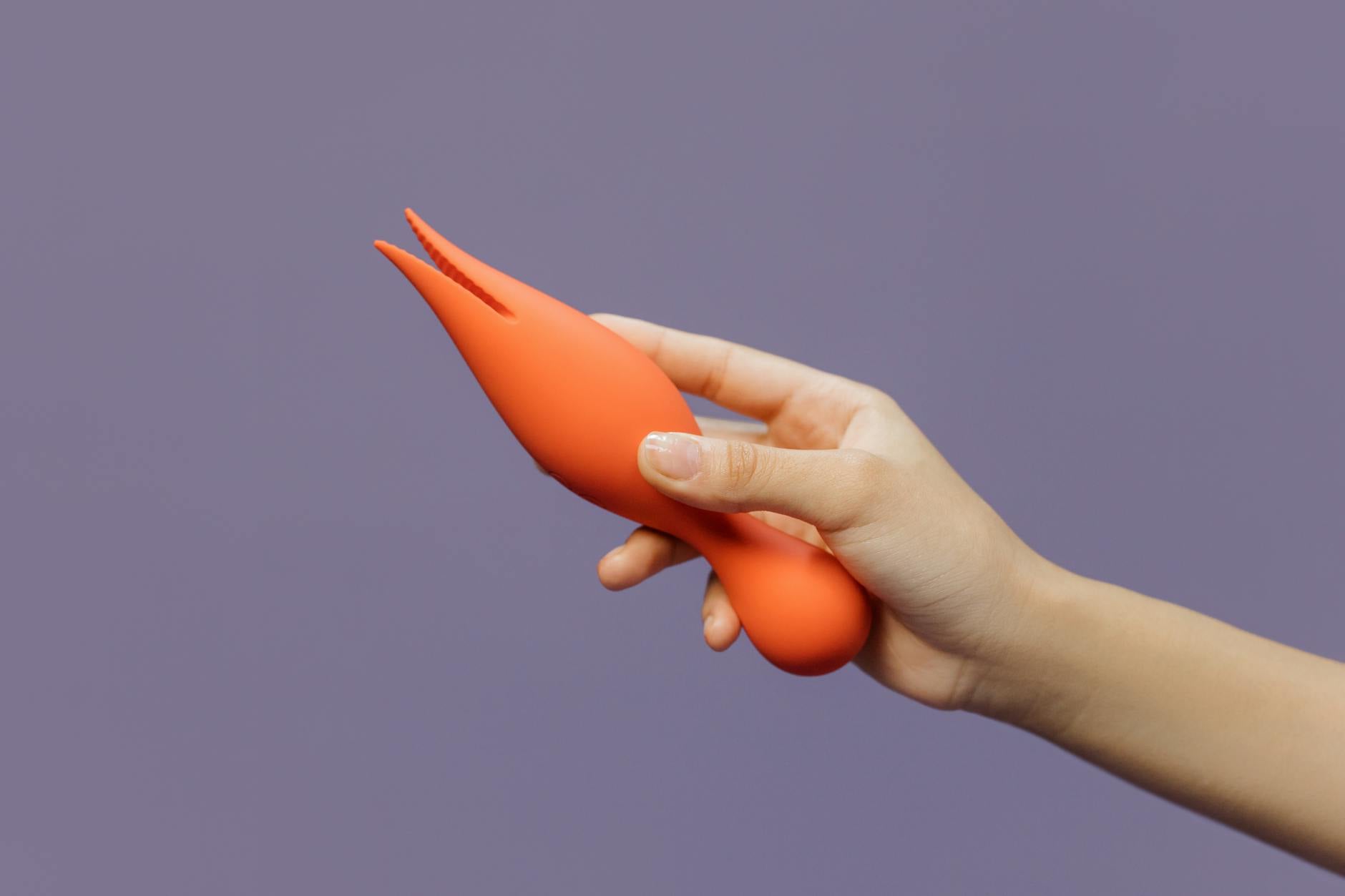
The lemon clitoral vibrator, for example, sits on top of the clitoris and uses air-pulse patterns to create suction rather than traditional vibration. This means gentler, more diffuse stimulation. Many clients report that they can feel genuine pleasure for the first time in months or even years when they switch to this style of device.
Understanding different types of pain and which lemon adult toys help
Not all pain is the same, and the right approach depends on where it's coming from.
Vulvodynia or generalized surface sensitivity. If your vulva feels raw, burning, or oversensitive to touch, you need minimal direct pressure. Start with the lowest suction setting on a lemon vibrator and work only on the outer clitoris, not deep into the vestibule. Many people find that working with suction on the clitoral glans rather than the body of the clitoris feels less intense.
Pelvic floor tension or vaginismus. If your pain centers around penetration or you feel a tightening reflex when something approaches your vagina, the issue isn't lubrication or arousal. It's muscular tension. A lemon sexual toy used externally actually helps because it can trigger arousal without the threat of penetration, which sometimes relaxes the pelvic floor over time. But you'll also want to work with a pelvic floor physical therapist if the tension is severe.
Vaginal atrophy or dryness. This one is hormonal, usually postmenopausal, and it creates friction pain even with lubrication. Suction-based stimulation doesn't require the same level of penetration or thrusting that traditional sex does, so it bypasses the friction problem entirely. Plus, the increased blood flow from arousal actually helps with lubrication naturally.
Pain from scar tissue. If you're recovering from childbirth trauma, surgery, or previous injury, certain areas might feel tight or tender. External clitoral suction lets you build arousal without putting pressure on scarred tissue. As sensation returns and your nervous system learns that pleasure is safe, you can gradually expand where you can comfortably receive touch.
The actual protocol: using lemon vibrators without making pain worse
Start absurdly gentle. I mean this literally. If you think you're starting low, go lower.
Week one: exploration without expectation. Hold the lemon clitoral vibrator on the lowest suction setting for 30 seconds to one minute. You're not trying to orgasm. You're teaching your nervous system that this sensation is safe. Stop if anything feels worse than baseline pain. Building trust with your body takes time.
Week two and three: add duration, not intensity. Keep the same suction level but extend sessions to 3-5 minutes if it feels okay. Notice what shifts. Do you feel warm? Do you feel any arousal starting? Are you more relaxed afterward? These are all signals that your nervous system is responding.
Week four onward: experiment with pattern or placement. Once you're comfortable at the baseline level, try moving the device slightly or switching to a different suction pattern if your lemon vibrator has options. You're still not chasing orgasm. You're learning what actually feels good versus what just feels tolerable.
Once you've established a comfort zone, you can gradually increase intensity only if you want to. Many people find that they reach genuinely satisfying pleasure at lower settings than they expected. That's completely normal and actually often more sustainable.
When to involve your partner and when not to
If you're in a relationship and your partner has been affected by the pain too, there can be pressure to "get back to normal" quickly. Resist that. Using a lemon sucker or clitoral vibrator solo first gives you a safe testing ground. You learn what works without the performance pressure or worry about someone else's experience.
Once you've rebuilt your own comfort, bringing a partner in can actually accelerate healing because you're sharing the experience with someone invested in your pleasure, not trying to prove something or fix a problem. How to Use Lemon Vibrators With Your Partner covers communication strategies that help with that transition.
The role of therapy, lubrication, and medical support
Lemon vibrators are powerful tools, but they're not a replacement for addressing the root cause of pain. If you're experiencing pain, you need a pelvic floor physical therapist, a gynecologist trained in sexual medicine, or both. Pain is information. The vibrator is just a way to explore pleasure while you're getting that information sorted.
Lubrication still matters, even with suction-based devices. Use a generous amount of water-based lube around and under the device. It reduces any drag and makes the sensation feel smoother and more pleasurable.
If you're on medications that cause pain or reduced sensation, How to Use Lemon Vibrators When Antidepressants Affect Your Arousal and Orgasm digs into strategies for that specific scenario. Same thing if your pain stems from hormonal changes. How to Use Lemon Vibrators When Clitoral Sensitivity Changes With Hormones has more nuance on that angle.
The emotional piece: rebuilding trust with your body
Chronical pain does something to your relationship with your own body. You stop wanting to touch yourself. You avoid situations that might lead to sex. You get angry at your body for failing you. That's not something a vibrator fixes on its own.
What a lemon vibrator can do is create a small, controllable space where your body feels good again. Where sensation comes back. Where you remember that pleasure is possible. That rebuilds trust one small session at a time.
Expect this to take months, not weeks. Expect some sessions to feel amazing and others to feel like nothing. That inconsistency is normal with pain-recovery work. You're not doing it wrong. You're doing the slow, real work of reconnecting.
Common mistakes people make when using clitoral vibrators for pain relief
Starting too high. I know you want results. But your nervous system needs time to believe that touch is safe again. Start at the lowest setting. I mean it.
Forcing arousal. If you're using the device and nothing's happening, stop. Come back another day. Pressure to respond is exactly what keeps pain cycles going.
Skipping the professional support. A vibrator is a tool. A therapist or pelvic floor PT is essential. Use both.
Assuming one session fixes it. Pleasure recovery after pain is cumulative. Each small positive experience adds to the next one. There's rarely one magical moment where you're suddenly fine.
FAQ: Pain, pleasure, and lemon vibrators
Can I use a lemon clitoral vibrator if I have endometriosis?
Yes, but start very low. Endometriosis creates deep pelvic pain, and sometimes even mild arousal can trigger cramping initially. Work with your pelvic floor PT and start during a time in your cycle when pain is lowest. The suction action itself doesn't aggravate endometriosis because it's external, but your individual nervous system response matters more than the device.
What if I'm having pain after childbirth?
Postpartum pain (usually around the perineum or from scar tissue) typically improves over months with patience. A lemon vibrator can help by keeping the area desensitized and allowing gradual arousal without pressure on healing tissue. Wait at least 8 weeks postpartum before using any device, and talk to your OB or pelvic floor PT first. How to Use Lemon Vibrators When Sensation Feels Different Postpartum walks through this in detail.
Is the pain ever permanent?
Rarely. Most pain conditions have treatable causes. The timeline varies wildly. Some people see improvement in weeks. Others take years. But medical support plus gentle exploration usually creates change.
Do I need to orgasm for the lemon vibrator to be working?
No. Orgasm is not the goal here. Pleasure, safety, and gradually expanded capacity are. If orgasm comes, great. If it doesn't, you're still teaching your nervous system that your body can feel good. That's the actual win.
Can I use lemon sexual toys if I also have vaginismus?
Yes, but externally only at first. Vaginismus is an involuntary tightening response, and penetration will trigger it. External suction-based stimulation bypasses that trigger and can actually help your nervous system relax over time. Working with a therapist trained in vaginismus is crucial.
What lubrication works best with clitoral vibrators when I'm dealing with pain?
Water-based lube is safest because it's compatible with silicone toys and won't damage them. Use it generously. Some people find that warming it slightly makes it feel more comfortable. Avoid anything scented or with glycerin if you have vulvodynia, as those can irritate sensitive tissue.
You deserve pleasure without pain
Pain is real. Your frustration is valid. But pain during sex is also often fixable with the right combination of medical support, gentle exploration, and tools designed to work around sensitivity rather than through it. Lemon vibrators fit into that toolkit beautifully because they offer a different kind of stimulation. Start slowly, trust the process, and if something hurts, stop and try again another day. Your body will tell you when it's ready to expand what's possible.