Let's start with what nobody tells you
After serious illness, surgery, or a long recovery period, your body is not the same body that got sick. That sounds obvious until you're standing in front of the mirror and your brain won't accept what it's seeing. Pleasure feels like something that happened to someone else. You might want it back. You might not. Both are completely normal.
Here's what I see with patients rebuilding intimacy after major health events: the physical recovery and the pleasure recovery are almost never on the same timeline. Your doctor clears you for activity. Your nervous system is still in protection mode. Your body has learned it's not safe. Unlearning that takes intention, patience, and often, the right tools.
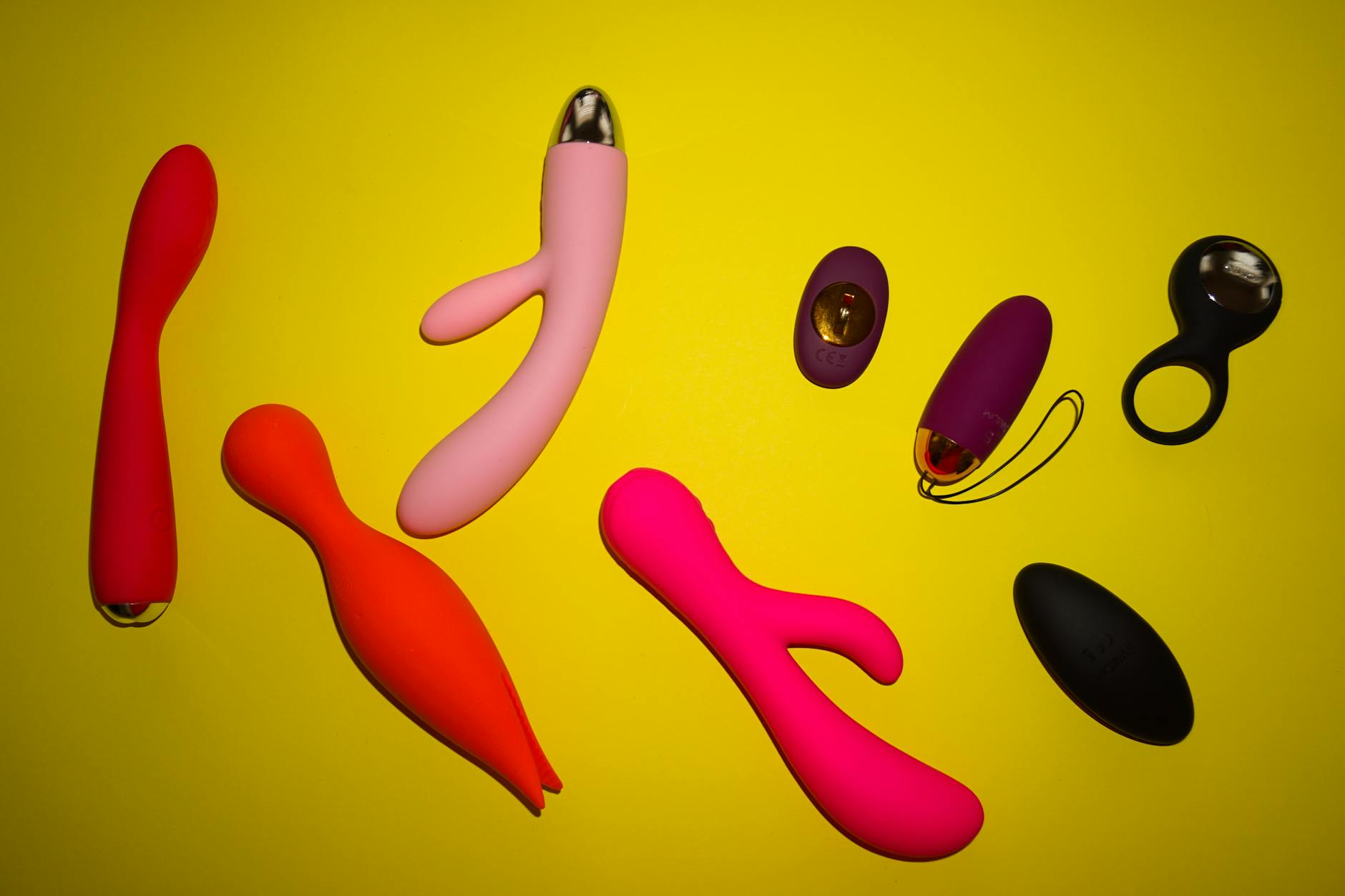
Photo by DRT.fm on Pexels
Why your nervous system needs resetting
Severe illness or recovery shifts your nervous system into protection mode. Pain, medical procedures, loss of control, dependency on others. your body filed all of that as threat. Even after physical healing, your nervous system doesn't automatically downshift. Touch might feel invasive instead of pleasurable. Your arousal response might feel sluggish or absent. This isn't psychological weakness. It's your body doing exactly what it's supposed to do.
Clitoral vibrators like Lemon's options help because they bypass the nervous system's resistance. Instead of needing psychological arousal to trigger physical response, the suction or vibration directly stimulates nerve endings. You're not asking your mind to tell your body it's safe. You're giving your body permission to respond first, and your mind usually follows.
The reentry hierarchy that actually works
Don't start where you left off. Start lower. Way lower.
Week one: sensation mapping. Use a lemon vibrator on the lowest setting in a space where you feel completely safe. Not during sex. Not with a partner. Just you, alone, exploring where sensation feels good and where it feels uncomfortable. The goal is information, not orgasm. Touch your inner arm, your neck, your thighs. Slowly work toward your vulva. Notice what patterns your nervous system prefers.
Week two: consistency without pressure. Same low setting, same safe space, same exploration. But now you're repeating it. Your nervous system needs repetition to learn "this touch is safe, this touch is good." Don't push toward orgasm. Let your body decide if arousal builds.
Week three: adding a tiny variable. Maybe you try a slightly higher setting. Maybe you add a partner in the room, not touching, just present. Maybe you light a candle or play music. One variable. Everything else stays the same.
Week four and beyond: expanding gradually. If week three felt good, add another variable the next week. If it didn't, stay put. There's no timeline. Some people need four weeks at each stage. Some need four months.
Why clitoral vibrators specifically help post-recovery
During recovery, penetrative sex often feels triggering because it reactivates the vulnerability of being inside your body. Clitoral vibrators keep stimulation external and give you complete control of speed, intensity, and cessation. You can turn it off instantly. There's no negotiation with a partner's body or expectations.
Lemon's clitoral vibrators work through suction and vibration, which feels fundamentally different from friction-based sex. Many people recovering from trauma or illness find that suction feels less aggressive, less like "having something done to you" and more like "this is happening for me." That distinction rewires your nervous system's relationship to pleasure.
Rebuilding desire when it disappeared
Sometimes the physical ability to feel pleasure comes back first. Sometimes it doesn't. That's where the psychological piece matters, and it's where most guides fail. You can't think your way into wanting sex. You can only create conditions where desire might show up.
Those conditions look like: safety, time, absence of performance pressure, and permission to stop. Using a lemon vibrator solo, in control, with zero expectations about orgasm, gives your brain a chance to remember pleasure as something that's yours. Not something you owe a partner. Not something that proves you're recovered. Just something that exists for you.
Start small. Maybe it's five minutes with the lowest setting, three times a week. Maybe it's fifteen minutes daily. Your nervous system will tell you. If you feel flooded or panicked, you've pushed too fast. Dial it back. Recovery isn't linear and neither is pleasure.
Communicating with partners during this phase
If you're in a relationship, your partner probably feels scared too. Scared you're not healed. Scared intimacy might hurt you. Scared they don't know how to help. None of that is their fault, and all of it gets in the way.
Here's what actually helps: separate the conversation. "I'm ready to explore pleasure again, and I need to do that alone first" is completely different from "I don't want intimacy with you." The first is about nervous system healing. The second is about the relationship. If your partner can't sit with the first conversation without making it about rejection, that's a different issue that therapy might help with.
When you're ready to include a partner, lemon vibrators offer something special: they keep the focus on your body, your sensation, your timeline. A partner can be present and supportive without needing to perform. They can watch, learn what brings you pleasure, and eventually integrate that into partnered sex. But the early weeks should be yours.
Physical adjustments for post-recovery bodies
Your body might have changed. Surgery scars. Different weight distribution. Reduced stamina. Medication side effects. Chronic pain. All of this shifts sensation and what feels good.
With a clitoral vibrator, start at the absolute lowest setting and work up. Your tissue might be more sensitive now, or it might be more numb. Only your body can tell you. Water-based lubricant helps regardless. Even if you're producing natural lubrication, extra lube lets the vibrator glide instead of stick, which feels better on recovering tissue.
If direct clitoral contact feels too intense, stimulate around the clitoris instead. The vulva has tons of sensitive nerve endings beyond the clitoral glans. Some people recovering from illness find that indirect stimulation feels safer and more pleasurable. Lemon vibrators work well for this because you control the positioning.
If pain shows up during use, stop. Not "push through." Stop and wait a few days. Pain is information that something isn't ready yet. If pain persists, talk to your doctor. Some post-recovery conditions do need medical attention before pleasure is safe.
When to seek help
If three months of gentle, solo exploration doesn't bring any pleasure back, see a therapist who specializes in trauma or medical trauma. Sometimes your nervous system needs more support than a vibrator can offer. If you're experiencing pain, numbness that doesn't improve, or complete anhedonia (an inability to feel pleasure in anything), see your doctor. These can all be addressable with the right support.
If your partner is struggling with the pace or the changes, couples therapy helps. Rebuilding intimacy after illness is one of the harder things a relationship navigates. It's not something you should white-knuckle alone.
The timeline nobody mentions
Full recovery of pleasure after serious illness can take six months, a year, longer. That's not failure. That's your nervous system learning to trust your body again. Be patient with yourself the way you'd be patient with a friend in the same situation.
Your pleasure matters. Not as proof that you're healed. Not as a gift to your partner. But as a signal that your body is yours again.
People also ask
How long after surgery should I wait before using a clitoral vibrator?
Check with your surgeon, not the internet. Recovery timelines vary wildly depending on the type of surgery. Some patients clear for external stimulation weeks after surgery. Others need months. Your surgeon knows your specific procedure and healing. Once you're cleared for "sexual activity," external clitoral stimulation is usually safe sooner than penetration, but confirm with your medical team first.
What if using a lemon vibrator brings up emotional reactions?
That's actually healthy. Pleasure and trauma live in the same nervous system. A vibrator might trigger memories or big feelings because it's activating your body's capacity to feel. Let those feelings happen. Cry, pause, breathe. This is your system processing. If it's overwhelming consistently, work with a trauma-informed therapist alongside your solo exploration.
Can I use lemon vibrators if I have reduced sensation from illness?
Absolutely. Start on higher settings than you might otherwise. Reduced sensation often means you need more direct stimulation to feel anything. Suction-based clitoral vibrators sometimes work better than traditional vibration for low sensation because they create sustained pressure. Experiment with different patterns and intensities. What feels like nothing at setting one might feel perfect at setting five.
Is it normal to not want orgasm right after recovery?
Completely normal. Orgasm requires a cascade of nervous system responses. If your nervous system is still in protection mode, that cascade won't happen. Your goal right now isn't orgasm. It's sensation, safety, and pleasure without a finish line. Orgasm will return or it won't. Neither makes you broken.
Should I tell my partner I'm using a clitoral vibrator during recovery?
That depends on your relationship and your safety. If your partner is supportive and you want their understanding, yes. If you don't feel safe being vulnerable, solo exploration is completely valid. You don't owe anyone access to your recovery journey. If secrecy is because you're afraid of judgment, that's a relationship issue worth addressing eventually. But right now, your healing comes first.
What if my partner wants to join too soon?
You get to set the pace. "I need a few more weeks" is a complete sentence. If your partner struggles with that boundary, see a couples therapist. Post-recovery intimacy needs patience and communication. If your partner can't give you that, that's information about your relationship.
You survived something hard. That takes tremendous strength. Now give yourself the same patience you'd extend to anyone else learning their body for the first time. It's not starting over. It's starting newer, with more wisdom than before.
When you're ready to explore with a partner, check out how other people are rebuilding desire after hormonal changes or restarting intimacy after a long dry spell. Both cover the nervous system recalibration piece. And if you have questions about the physical sensation side, understanding clitoral sensitivity changes offers tools that apply across recovery too.